Month: November 2025

Some people may only know Ferrari as a maker of luxury sports cars, but the company is also the most storied maker of racing cars for Formula 1. Ferrari has competed for every world championship since 1950, and its racers have the most race wins in Formula 1, a good bit ahead of rival McClaren and way out in front of the third place finisher, Mercedes.

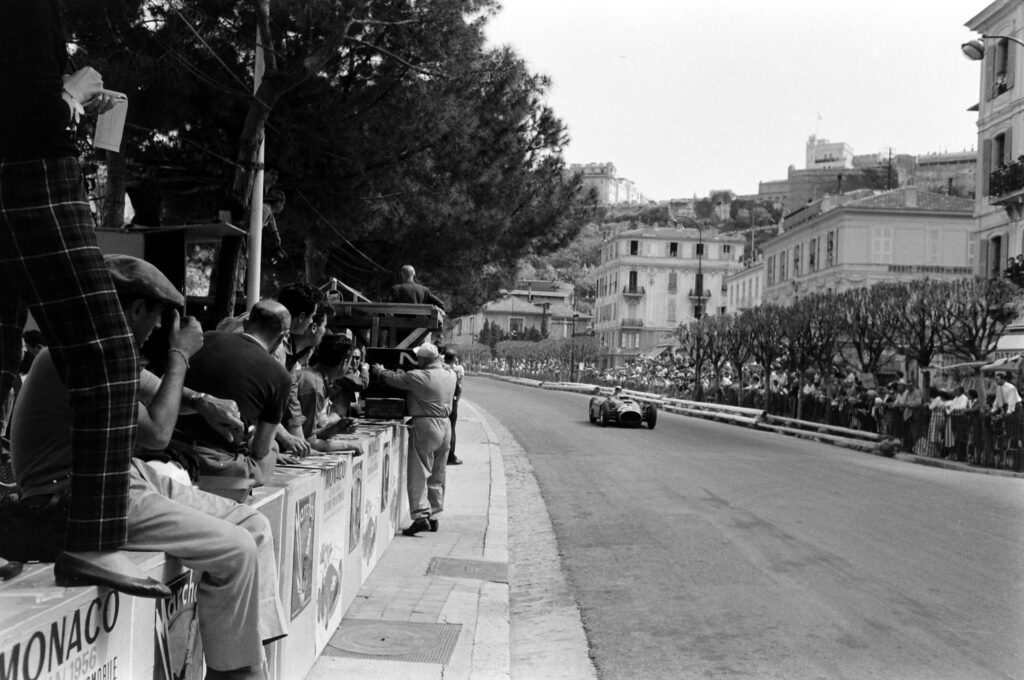
In 1956 LIFE photographer Thomas Mcavoy went deep inside the Ferrari racing operation, following cars from their construction in Maranello, Italy, to their racing at the prestigious Monaco Grand Prix. Appearing in the some of the pictures is company namesake Enzo Ferrari himself.

Enzo Ferrari once said, among his many aphorisms, “Race cars are neither beautiful nor ugly. They become beautiful when they win.” Still, most would agree that his cars are quite stylish, and some of the images McAvoy shot with the cars on the streets of Monaco look like they could come from fashion shoots.

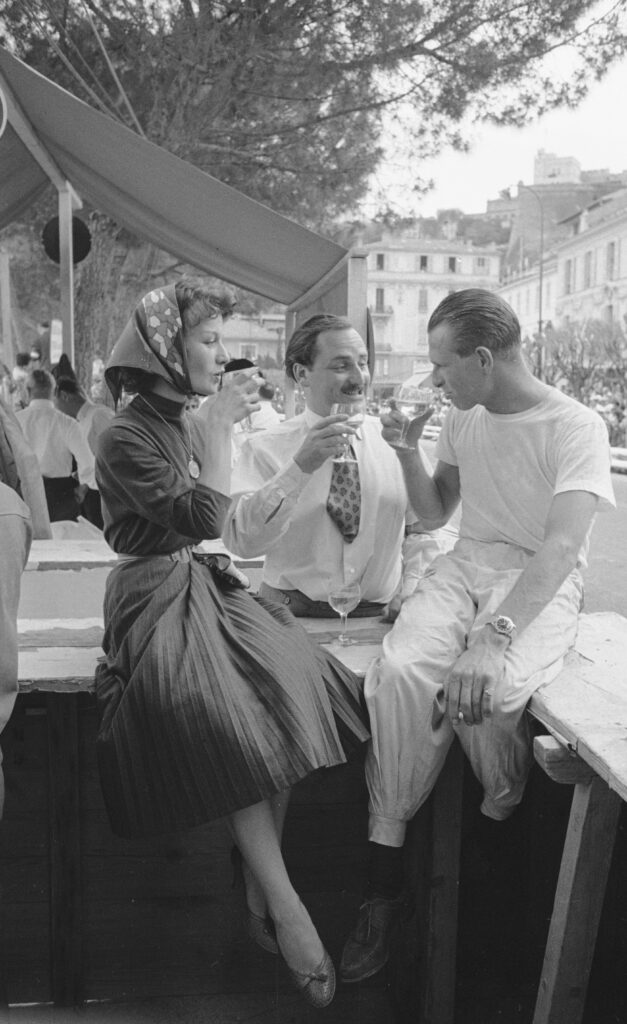
One of Ferrari’s drivers, Peter Collins, is photographed with his wife, actress Louise Cordier, and they were a certified mid-50s glamour couple. Reportedly the only person who didn’t approve of their marriage was Enzo Ferrari, who worried that the relationship would distract Collins from his racing.

After seeing the elaborate process required to construct a Ferrari racer, it’s plain to what Enzo Ferrari put his love into.

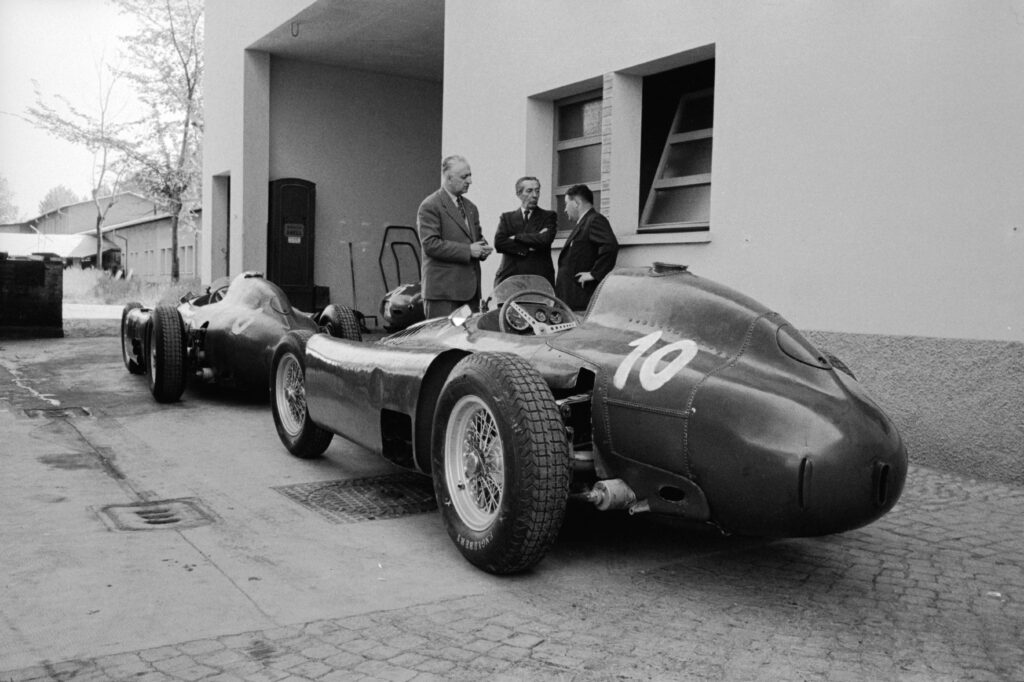
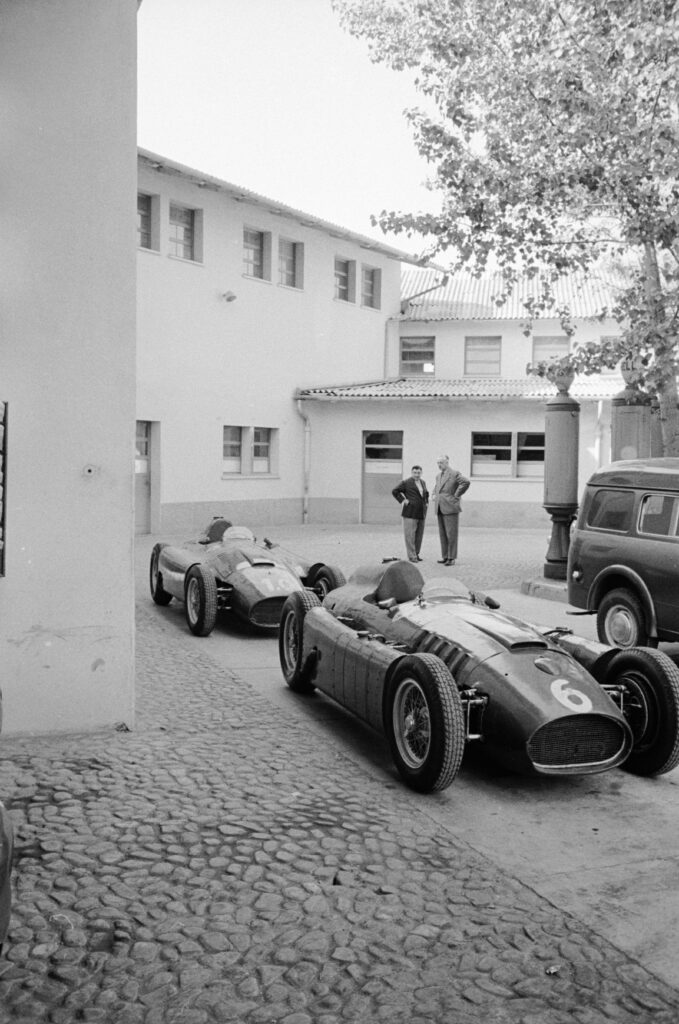
Outside the Ferrari factory, company namesake Enzo Ferrari (left) and head mechanic Vittorio Bellentani (right) spoke with an unidentified man next to a Lancia Ferrari D50 car, Maranello, Italy, early 1956.

Thomas Mcavoy/Life Picture Collection/Shutterstock
Ferrari head mechanic Vittorio Bellentani (second left, in dark blazer) watched as other mechanics lowered an engine into the chassis of a Lancia Ferrari D50 car (which will be raced in the Monaco Grand Prix) at the company’s factory, Maranello, Italy, early 1956.

Thomas Mcavoy/Life Picture Collection/Shutterstock
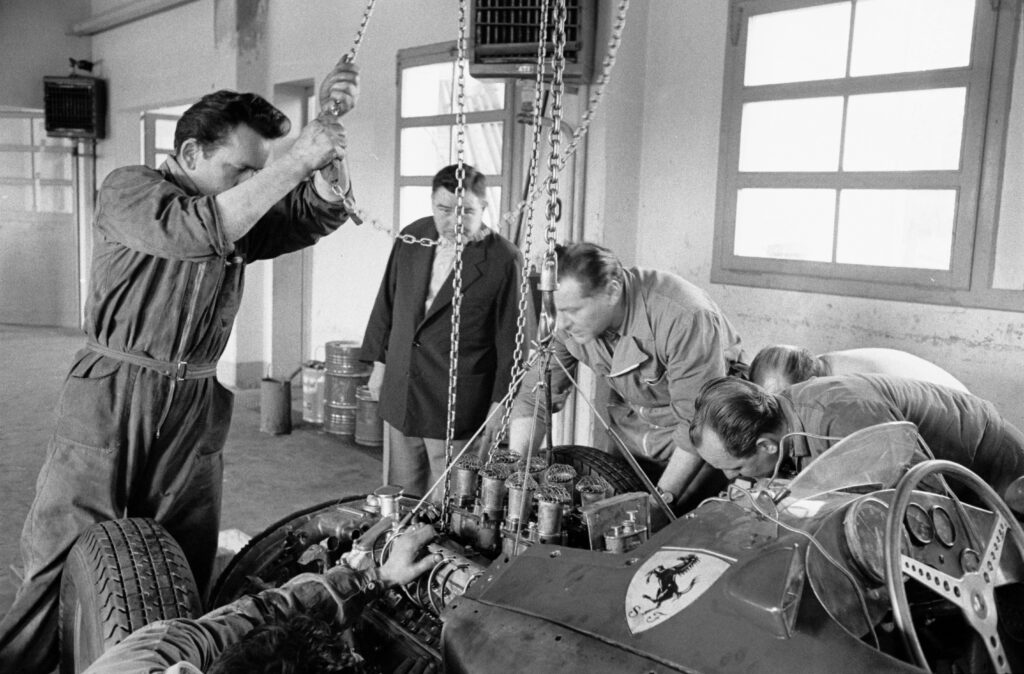
Ferrari head mechanic Vittorio Bellentani (center) watched as other mechanics lowered an engine into the chassis of a Lancia Ferrari D50 car that would be raced in the Monaco Grand Prix, Maranello, Italy, May 16, 1956.

Thomas Mcavoy/Life Picture Collection/Shutterstock
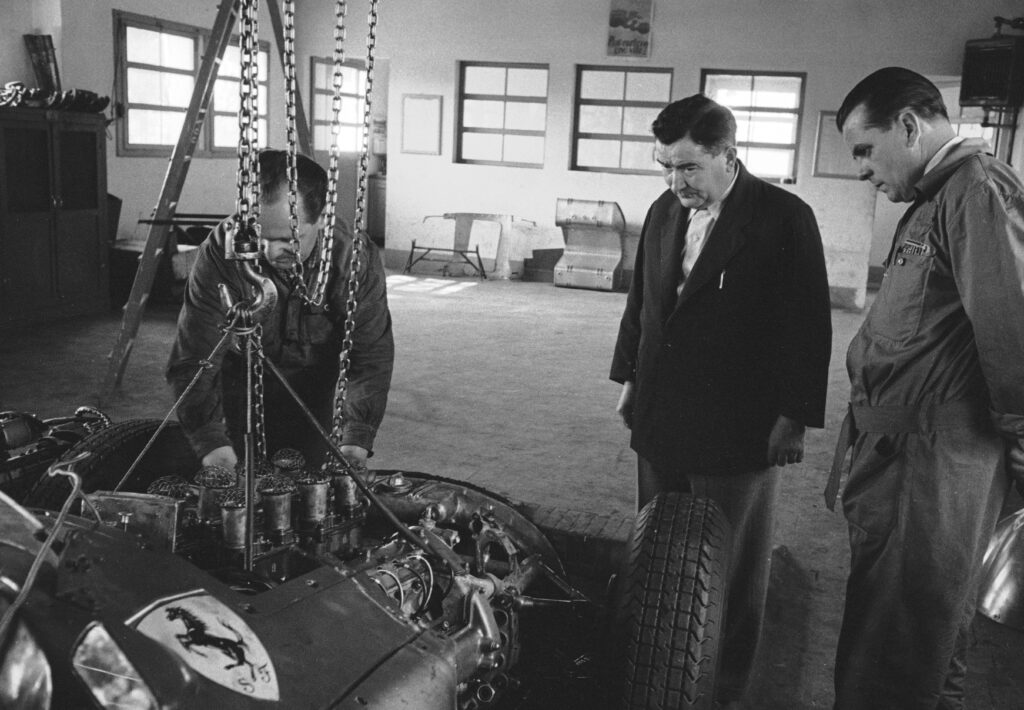
An unidentified Ferrari mechanic worked on a Lancia Ferrari D50 car for the Monaco Grand Prix, at the company’s factory in Maranello, Italy, May 16, 1956.

Thomas Mcavoy/Life Picture Collection/Shutterstock
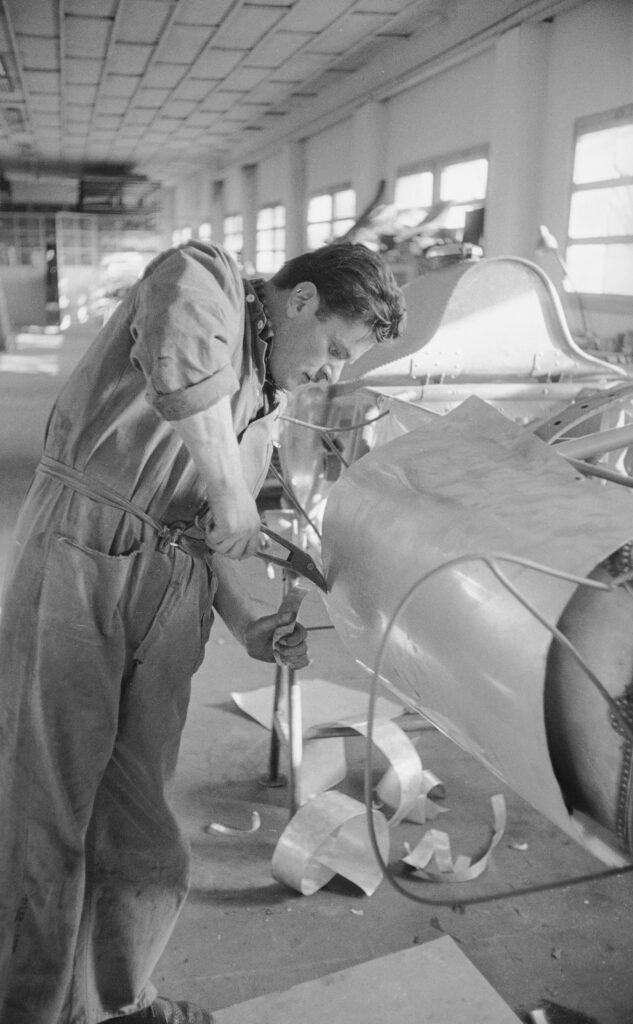
Mechanics worked on building a car for the Monaco Grand Prix at the Ferrari plant in Maranello, Italy, 1956.

Thomas Mcavoy/Life Picture Collection/Shutterstock
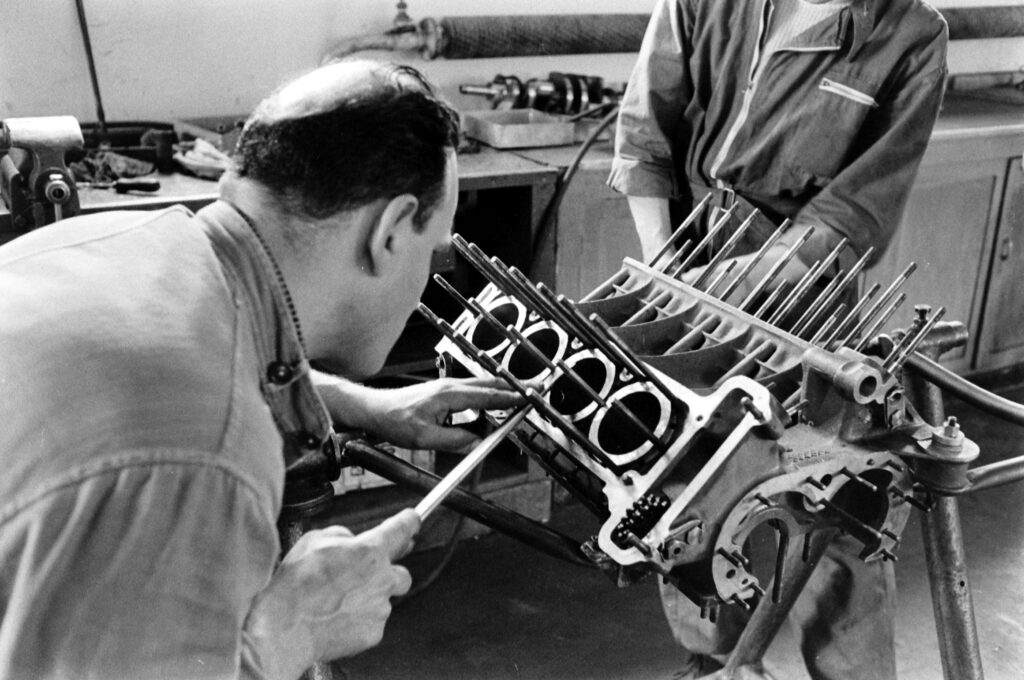
Ferrari mechanics lowered an engine into the chassis of a Lancia Ferrari D50 car at the company’s factory, Maranello, Italy, early 1956.

Thomas Mcavoy/Life Picture Collection/Shutterstock
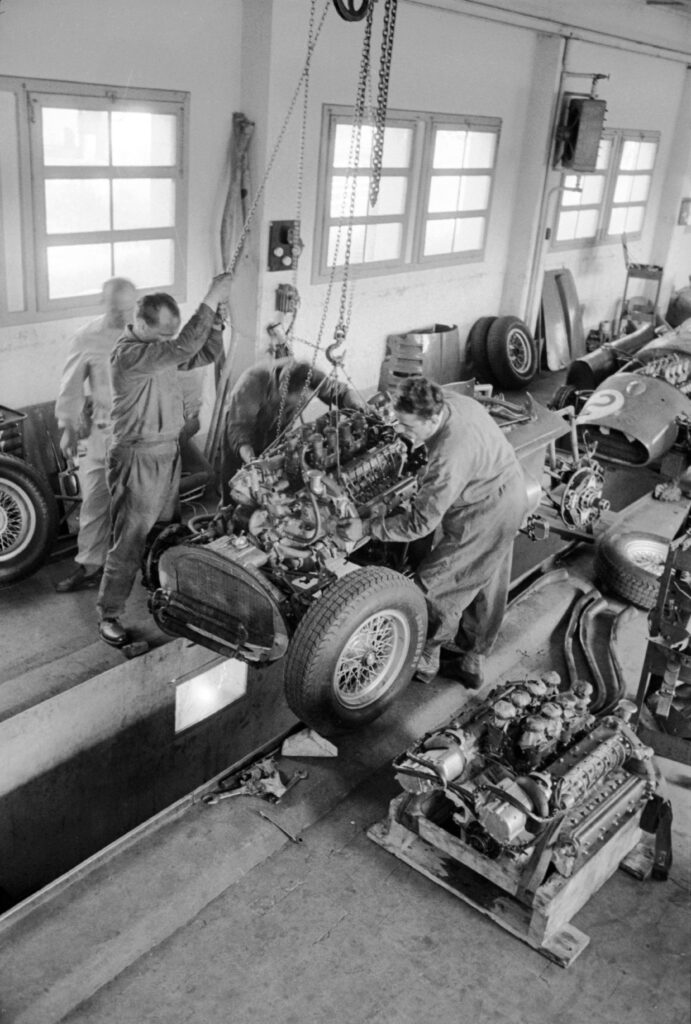
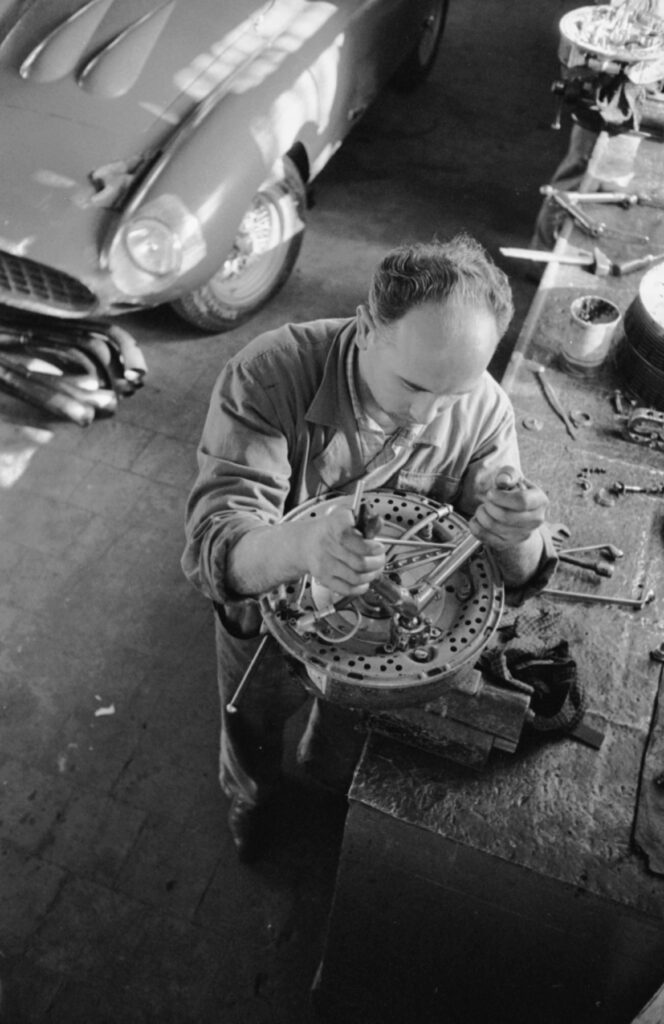
An unidentified Ferrari mechanic stripped a brake drum from a Lancia Ferrari D50 car at the company’s factory, Maranello, Italy, early 1956. This drum went into the car raced by Peter Collins at the Monaco Grand Prix..

Thomas Mcavoy/Life Picture Collection/Shutterstock
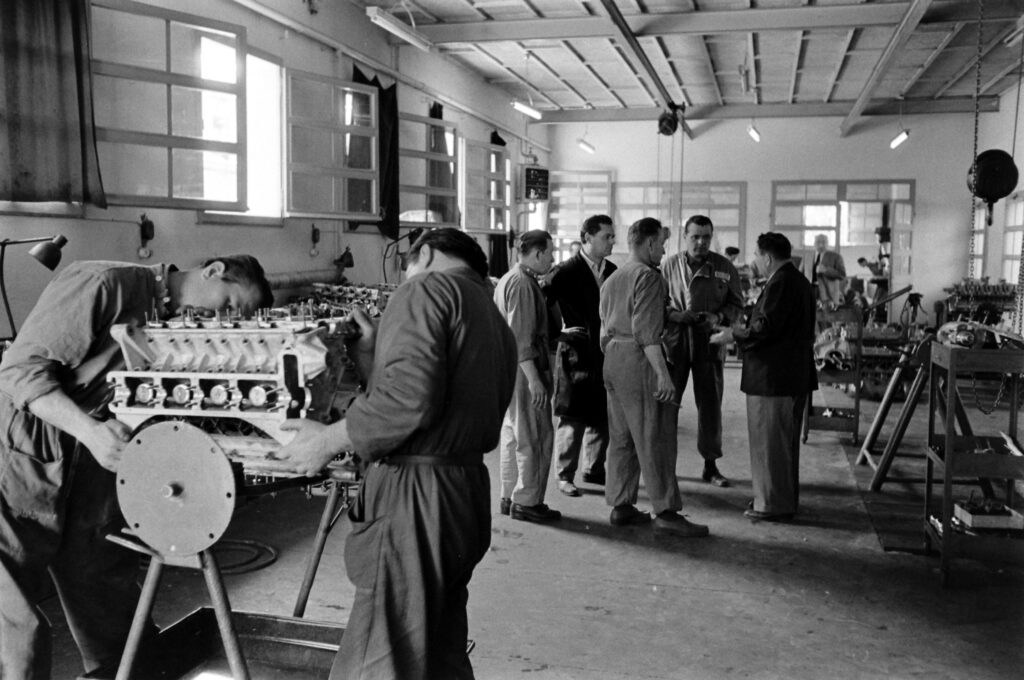
Mechanics worked on building a car for the Monaco Grand Prix at the Ferrari plant in Maranello, Italy, 1956.

Thomas Mcavoy/Life Picture Collection/Shutterstock
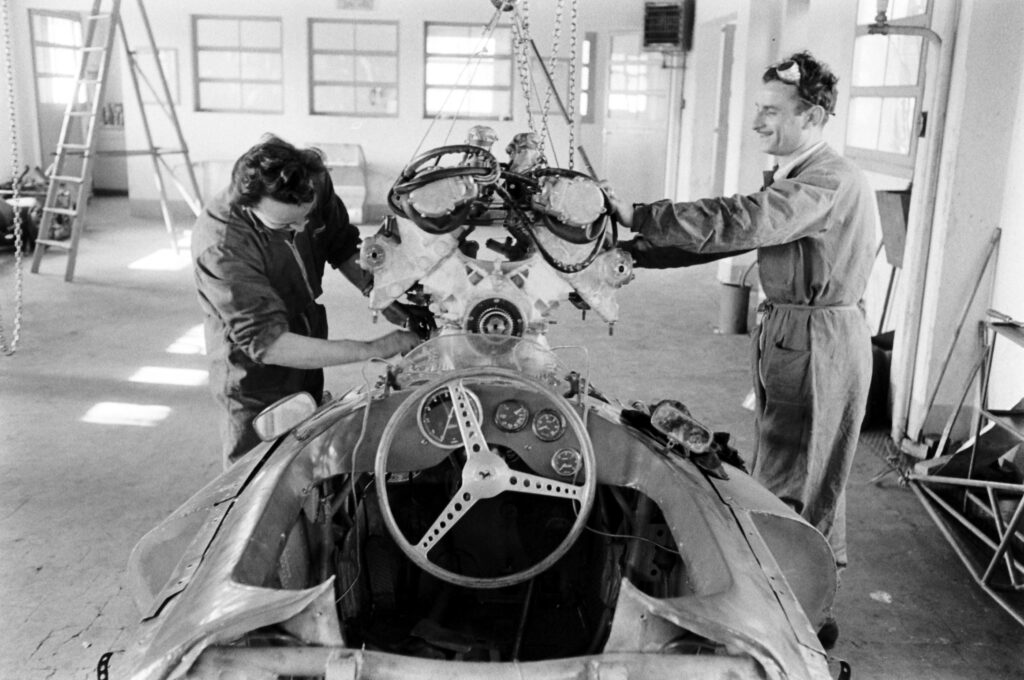
Mechanics worked on building a car for the Monaco Grand Prix at the Ferrari plant in Maranello, Italy, 1956.

Thomas Mcavoy/Life Picture Collection/Shutterstock
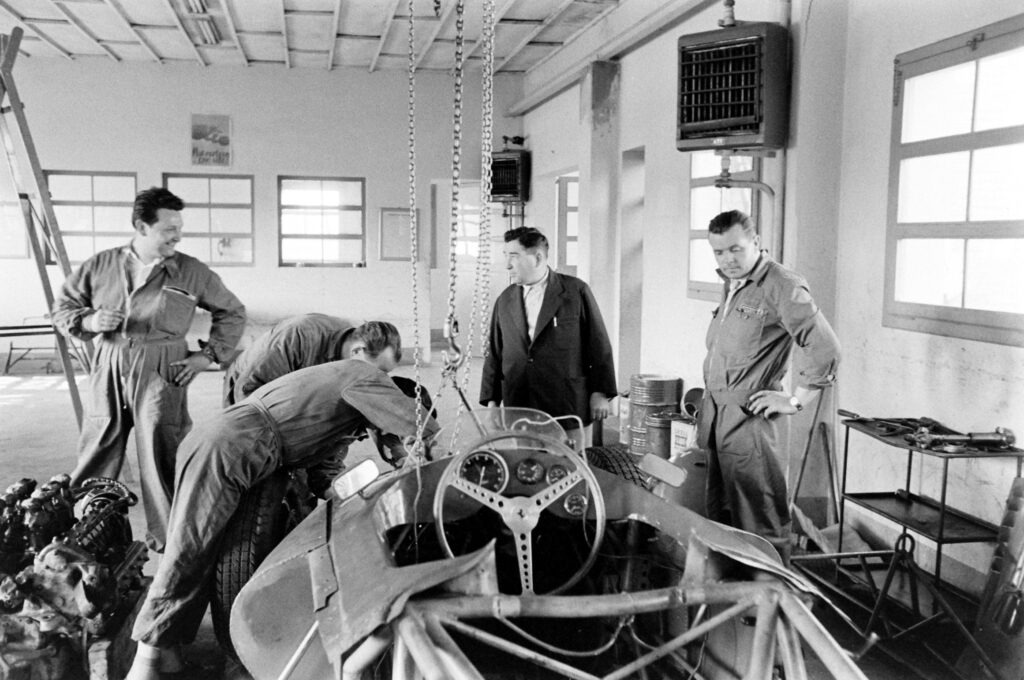
Mechanics worked on building a car for the Monaco Grand Prix at the Ferrari plant in Maranello, Italy, 1956.

Thomas Mcavoy/Life Picture Collection/Shutterstock
Mechanics worked on building a car for the Monaco Grand Prix at the Ferrari plant in Maranello, Italy, 1956.

Thomas Mcavoy/Life Picture Collection/Shutterstock
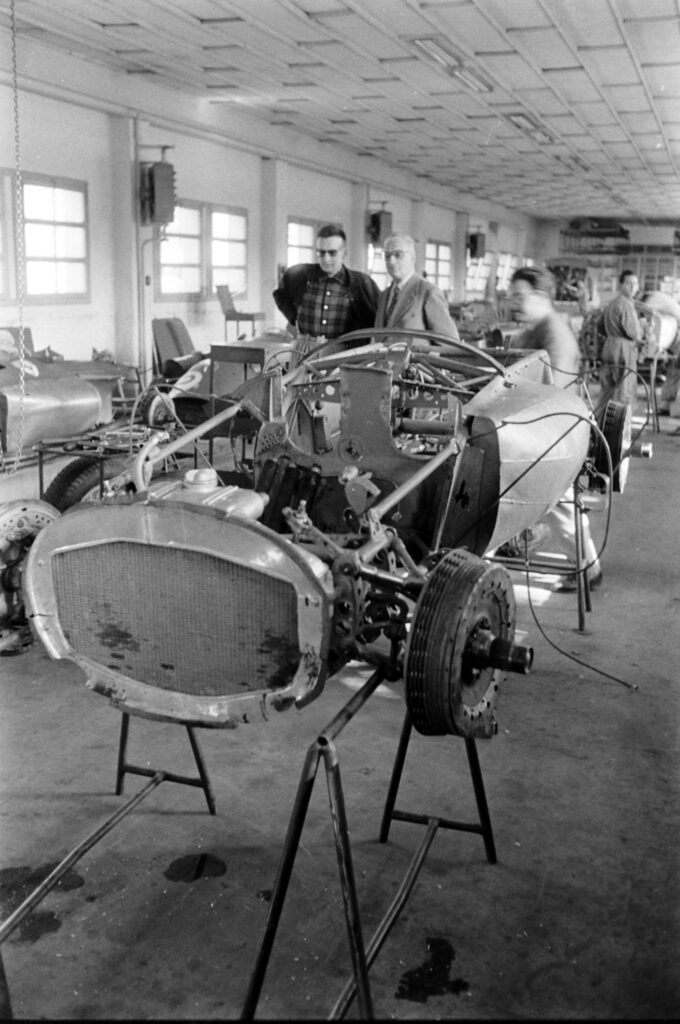
Mechanics worked on building a car for the Monaco Grand Prix at the Ferrari plant in Maranello, Italy, 1956.

Thomas Mcavoy/Life Picture Collection/Shutterstock
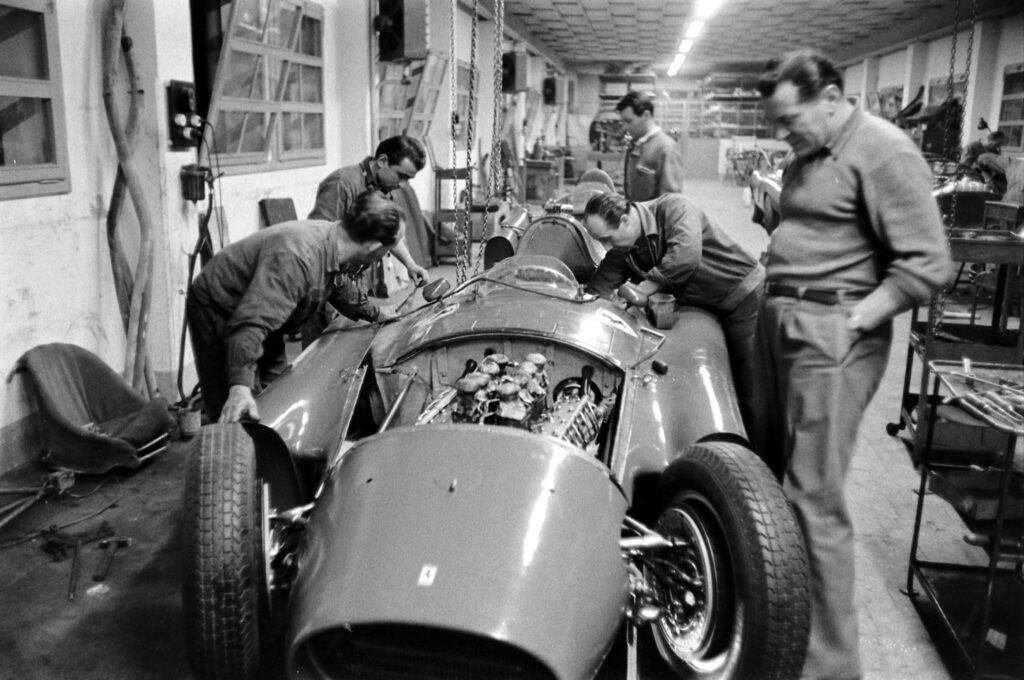
Ferrari mechanics readied Lancia Ferrari D50 cars for the Monaco Grand Prix, at the company’s factory in Maranello, Italy, early 1956.

Thomas Mcavoy/Life Picture Collection/Shutterstock
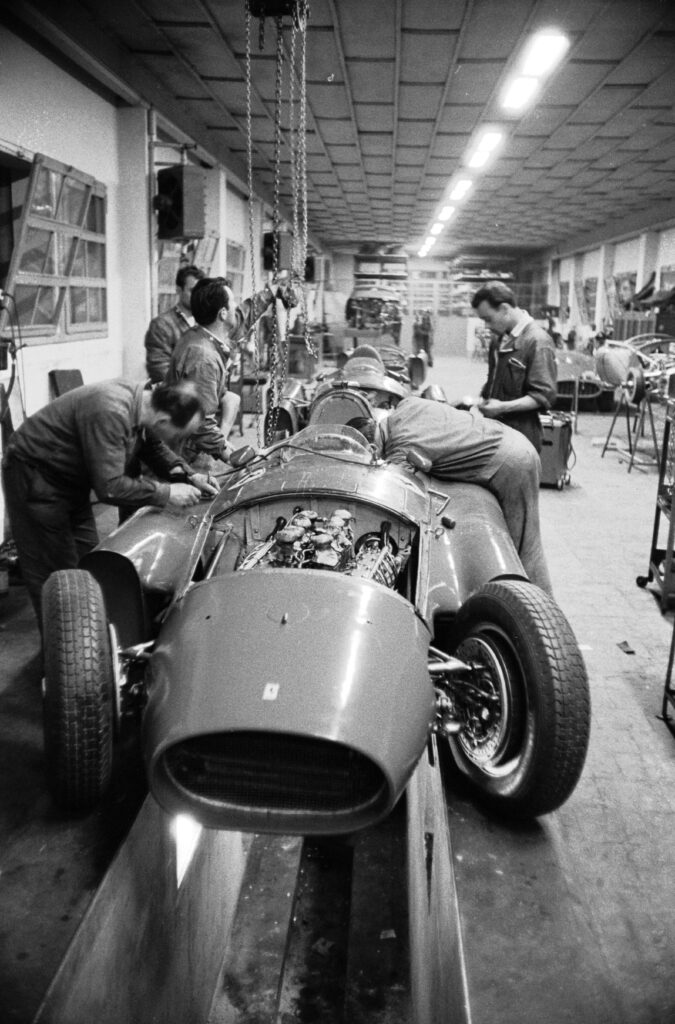
An unidentified Ferrari mechanic pushed an engine for a Lancia Ferrari D50 car to be raced in the Monaco Grand Prix, on a cart at the company’s factory, Maranello, Italy, early 1956.

Thomas Mcavoy/Life Picture Collection/Shutterstock
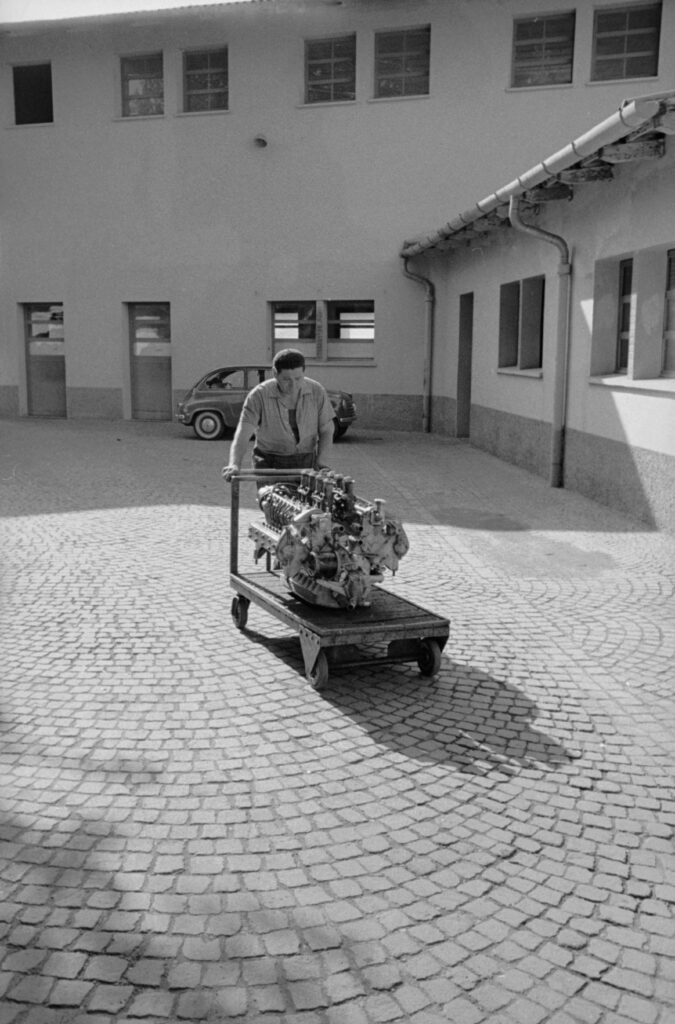
An unidentified Ferrari mechanic inspected the body shell segments for a Lancia Ferrari D50 car outside the company’s factory, Maranello, Italy, early 1956.

Thomas Mcavoy/Life Picture Collection/Shutterstock
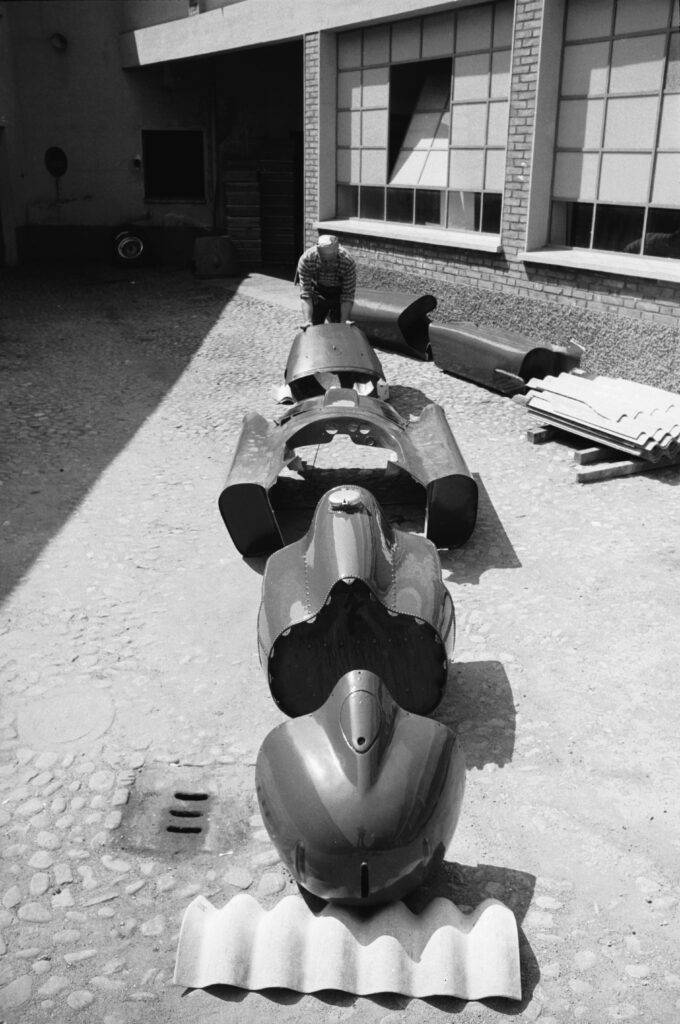
Outside the Ferrari factory, head mechanic Vittorio Bellentani (in dark blazer) and company namesake Enzo Ferrari stood near several Lancia Ferrari D50 cars that would be raced in the Monaco Grand Prix, Maranello, Italy, early 1956.

Thomas Mcavoy/Life Picture Collection/Shutterstock
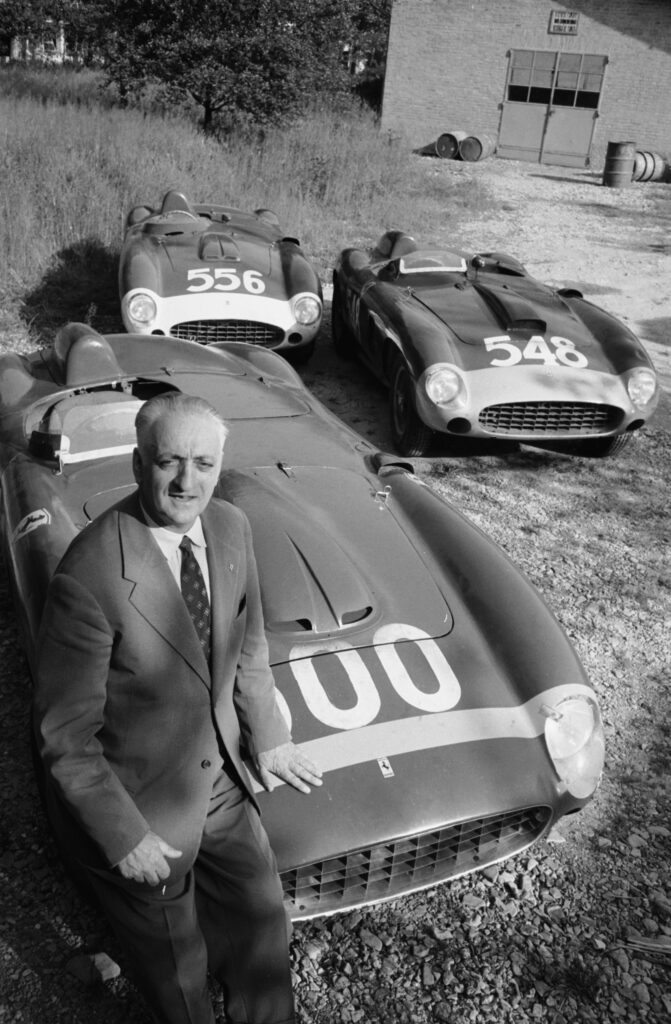
Enzo Ferrari stood in front of his race cars at the Ferrari factory in Maranello, Italy, 1956.

Thomas Mcavoy/Life Picture Collection/Shutterstock
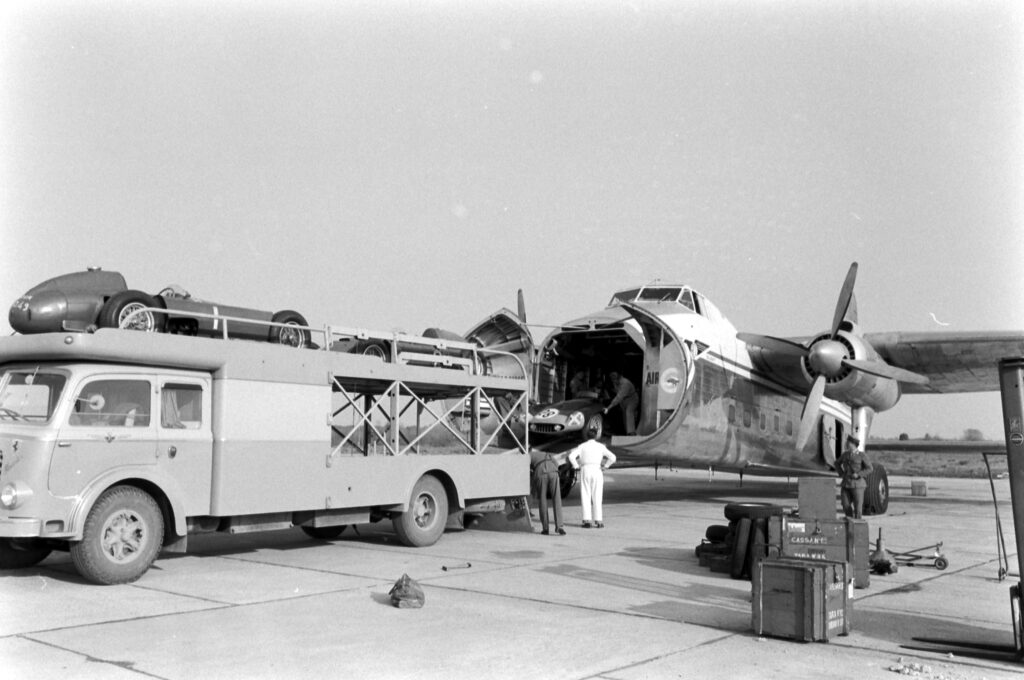
A Ferrari car on its way to the Monaco Grand Prix, 1956.

Thomas Mcavoy/Life Picture Collection/Shutterstock
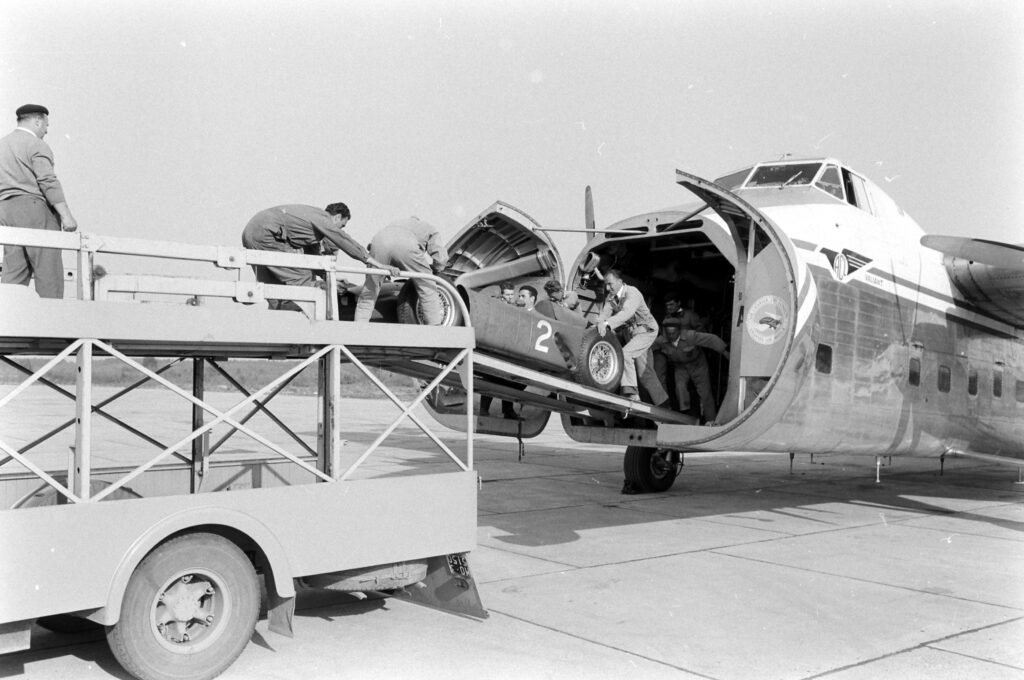
A Ferrari car on its way to the Monaco Grand Prix, 1956.

Thomas Mcavoy/Life Picture Collection/Shutterstock
Ferrari racing driver Peter Collins enjoyed a drink with his soon-to-be-wife, American actress Louise Cordier at the Monaco Grand Prix, May 13, 1956.

Thomas Mcavoy/Life Picture Collection/Shutterstock
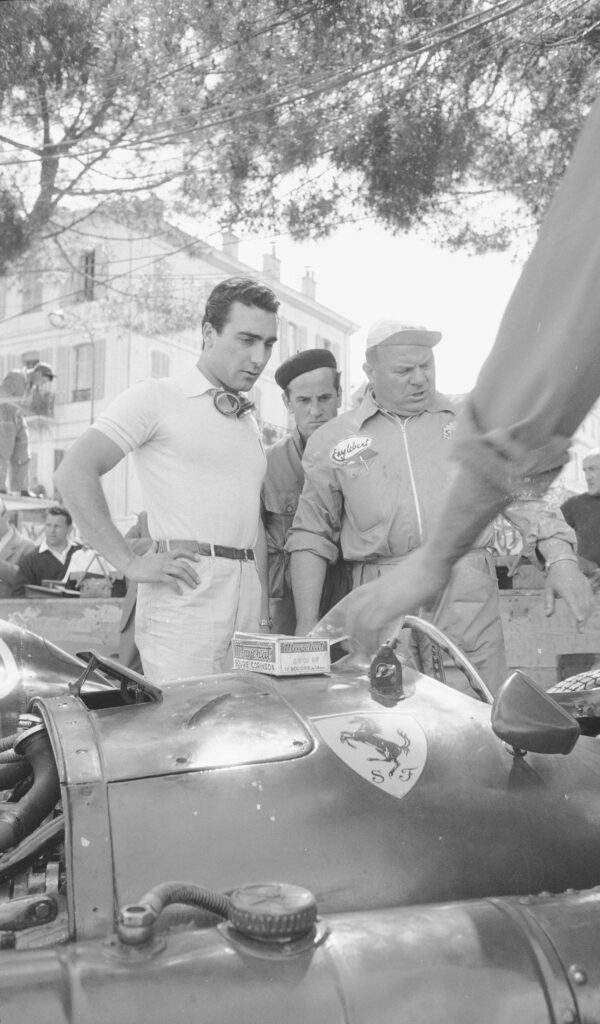
Italian racing driver Eugenio Castellotti stood over his Lancia/Ferrari D50 prior to the Monaco Grand Prix race, May 13, 1956. With him are unidentified mechanics.

Thomas Mcavoy/Life Picture Collection/Shutterstock
A Ferrari car at the Monaco Grand Prix, 1956.

Thomas Mcavoy/Life Picture Collection/Shutterstock
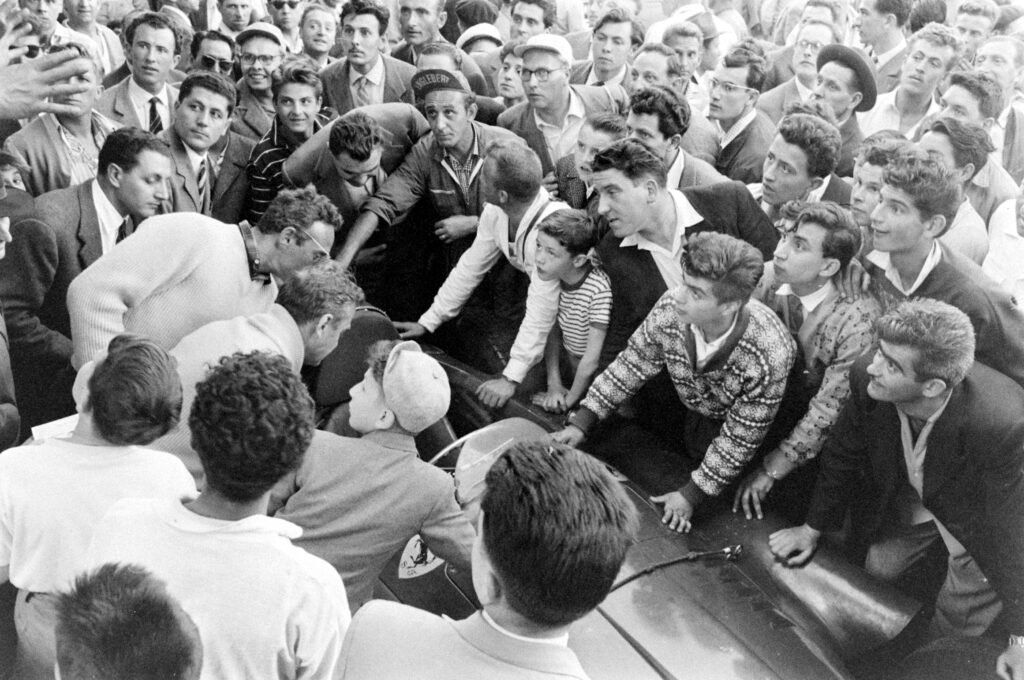
A Ferrari car at the Monaco Grand Prix, 1956.

Thomas Mcavoy/Life Picture Collection/Shutterstock
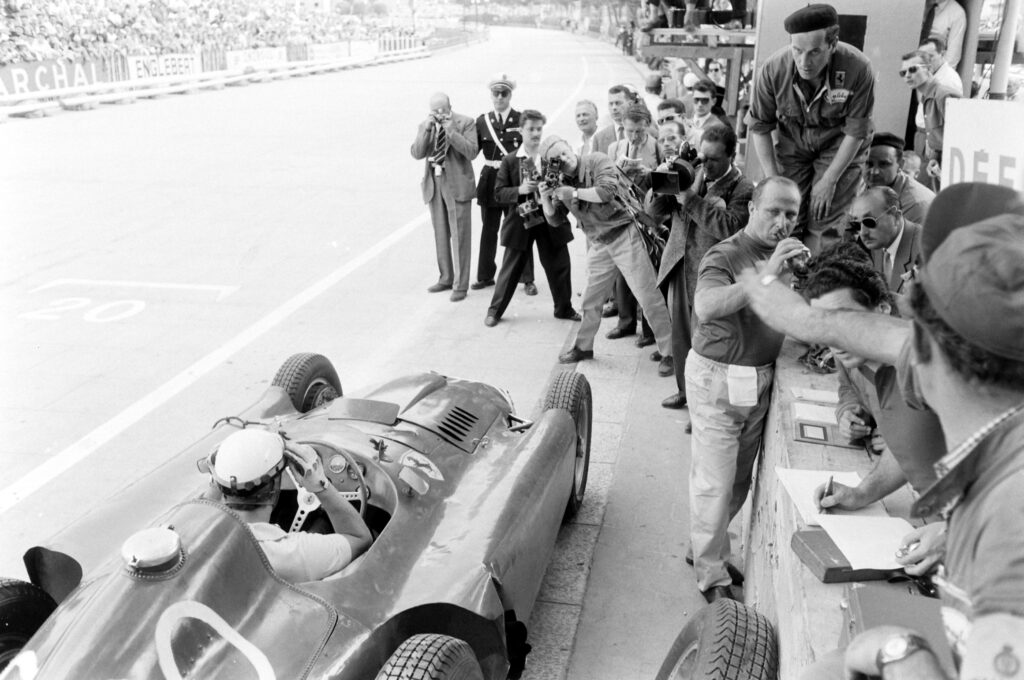
A Ferrari car at the Monaco Grand Prix, 1956.

Thomas Mcavoy/Life Picture Collection/Shutterstock
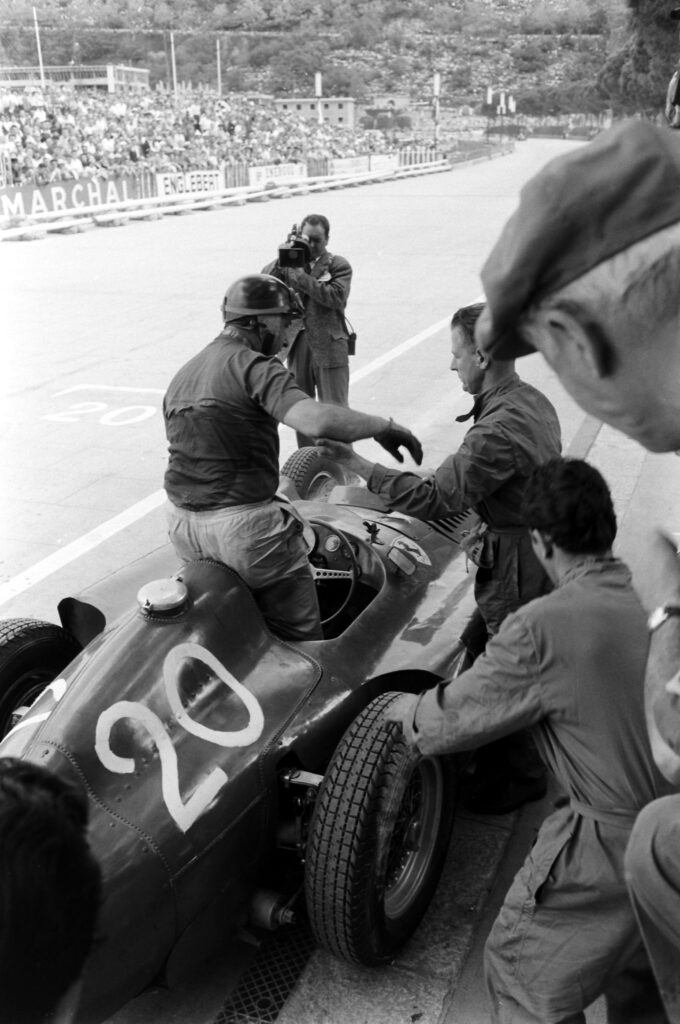
A Ferrari car at the Monaco Grand Prix, 1956.

Thomas Mcavoy/Life Picture Collection/Shutterstock
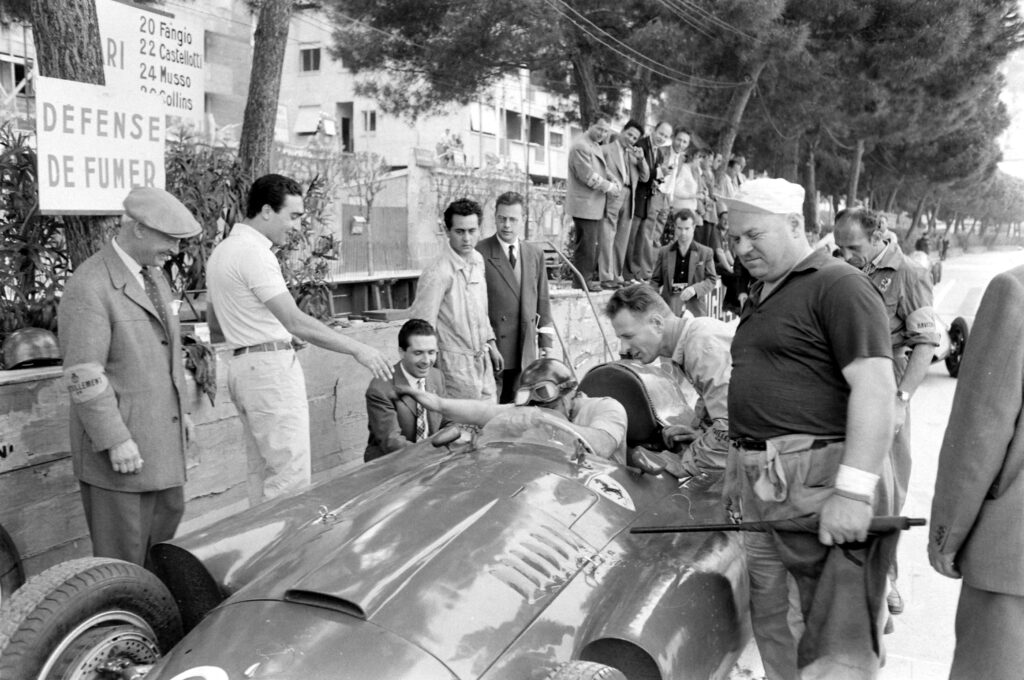
A Ferrari car at the Monaco Grand Prix, 1956.

Thomas Mcavoy/Life Picture Collection/Shutterstock
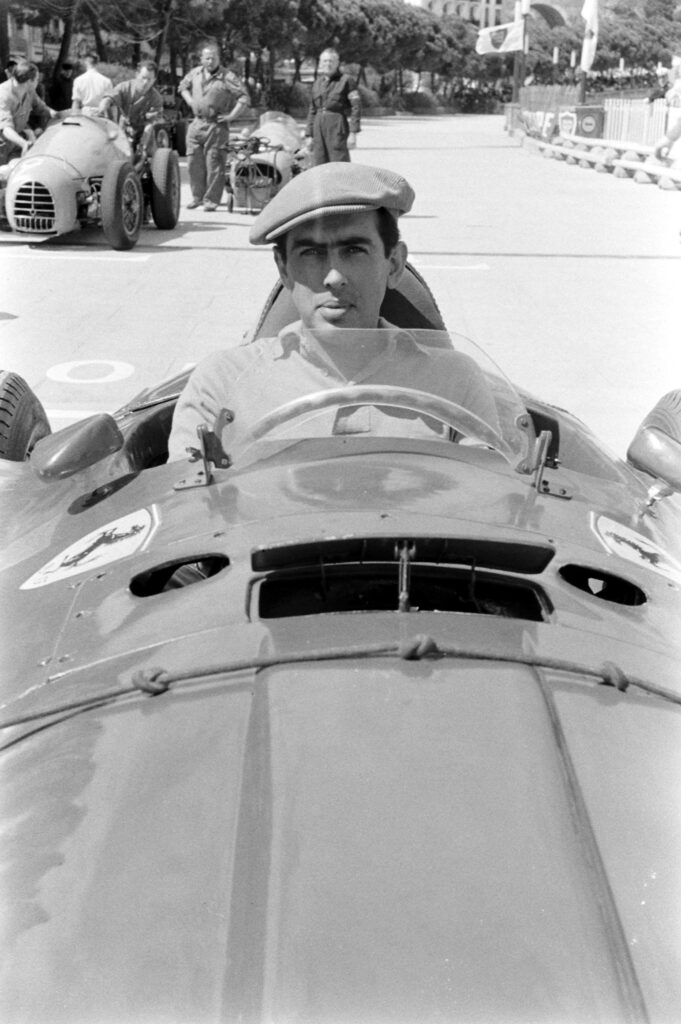
A Ferrari car at the Monaco Grand Prix, 1956.

Thomas Mcavoy/Life Picture Collection/Shutterstock
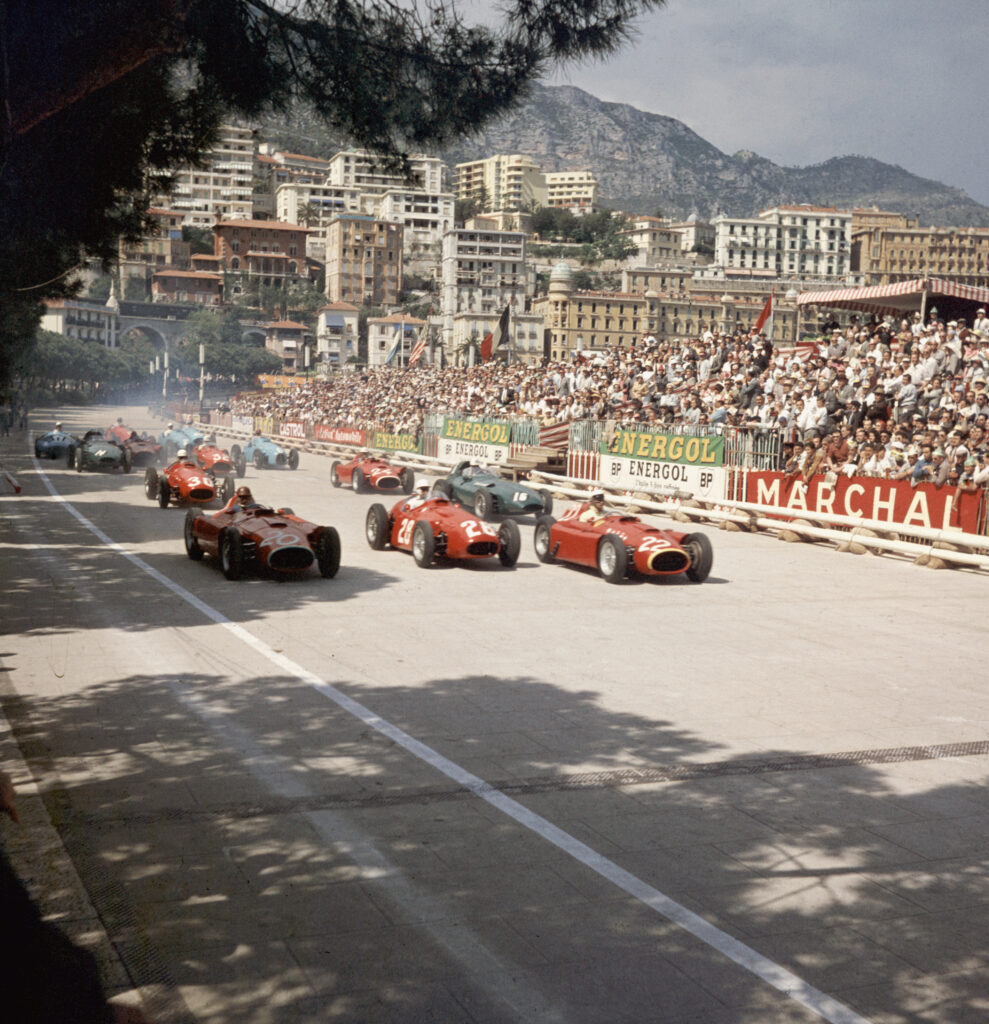
The start of the Grand Prix de Monaco, May 13, 1956. British driver Stirling Moss (#28, center), in a Maserati 250F, went on to win the race. Others visible include Argentine Juan Fangio (#20) and Italian Eugenio Castellotti (#22), both in Ferraris on either side of Moss.

Thomas Mcavoy/Life Picture Collection/Shutterstock
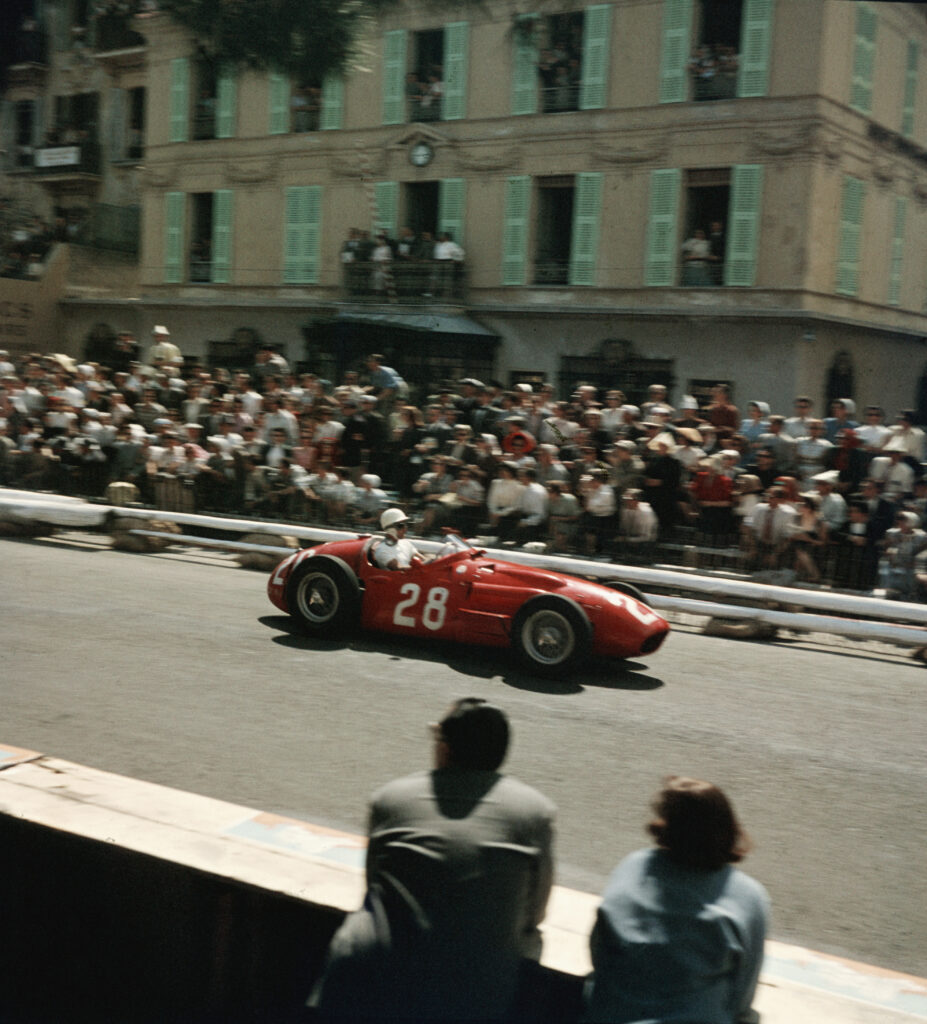
British driver Stirling Moss (later Sir Stirling Moss) raced a Maserati 250F car in the Grand Prix de Monaco in Monte Carlo, Monaco, May 13, 1956. He went on to win the race.

Thomas Mcavoy/Life Picture Collection/Shutterstock
The post From the Factory to the Track: Inside the Fantastic World of Ferrari Racing appeared first on LIFE.

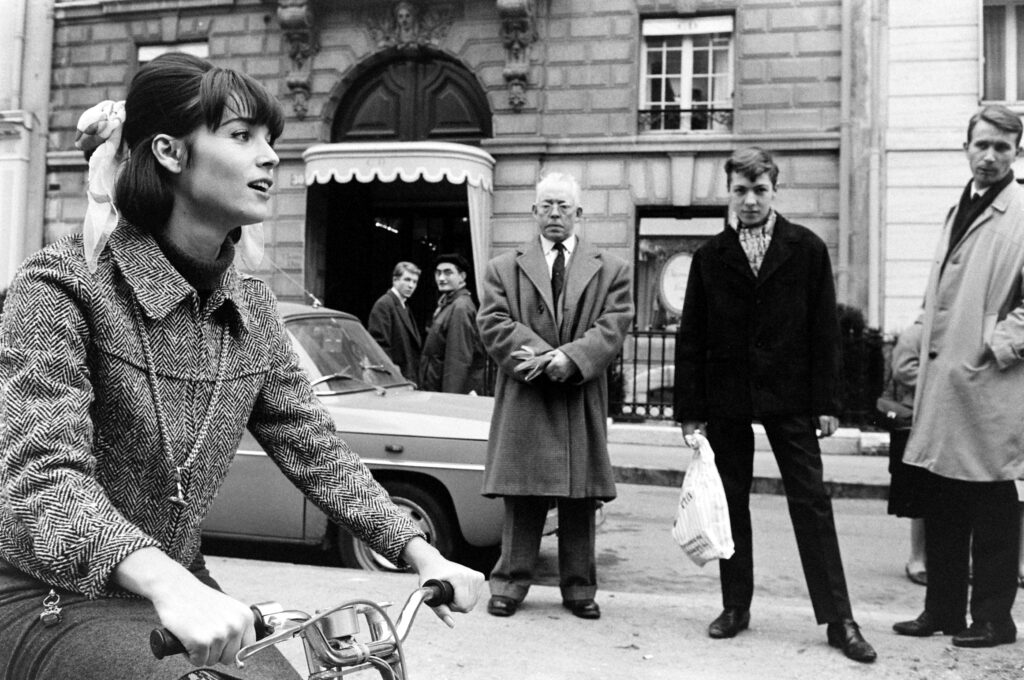
Elsa Martinelli had three things going for her. That was the analysis of LIFE magazine when she was introduced to readers on the cover of a 1957 issue as “a triple-threat Italian beauty.”

One of her chief assets was her was looks, wrote LIFE. Another was her flair for fashion. The third was her acting ability. And indeed in 1957 Martinelli was at the beginning of a long screen career in which she would play the female lead in the relatively minor works of some major movie stars, including Robert Mitchum, John Wayne and Kirk Douglas.

After her 1957 debut Martinelli was back on the cover in 1962 modeling “a toga to shed before going to bed,” and again in 1963 for a report on new fashions from Paris.

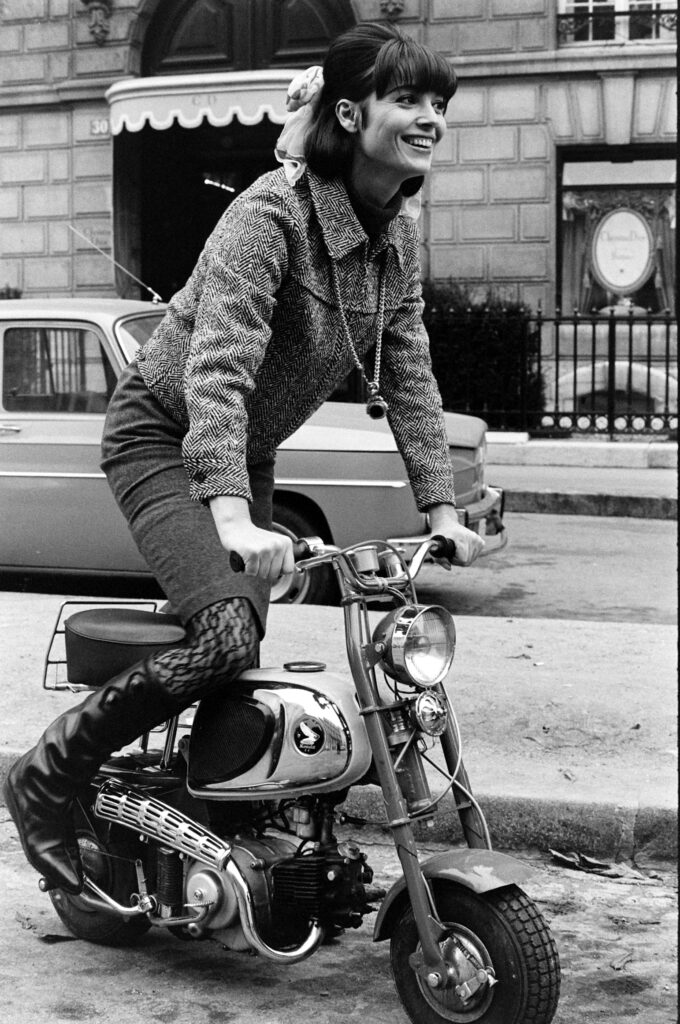
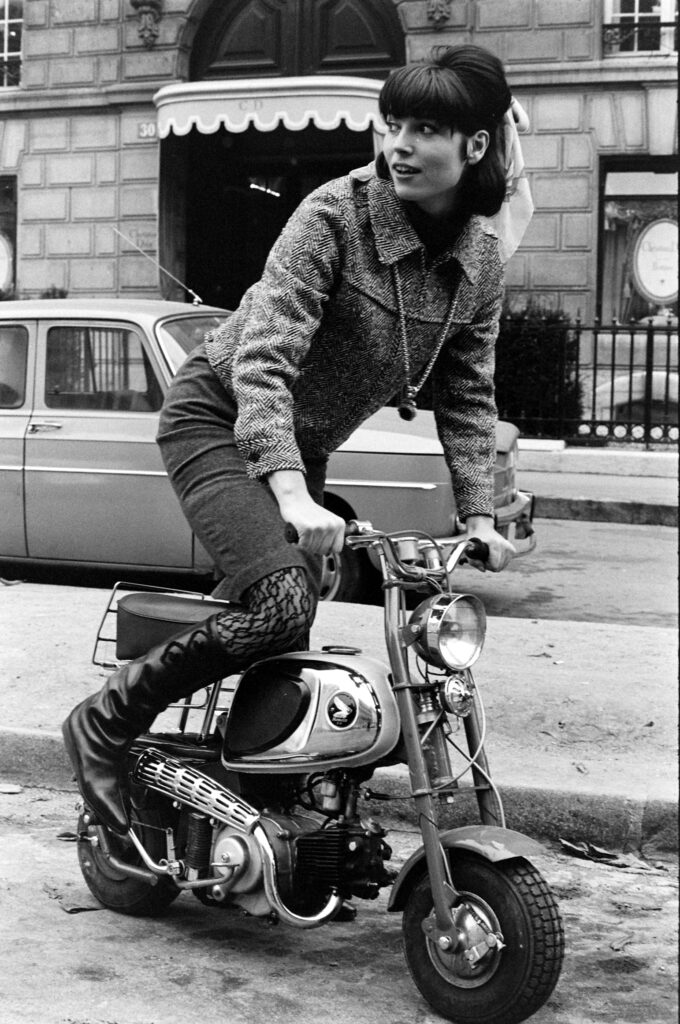
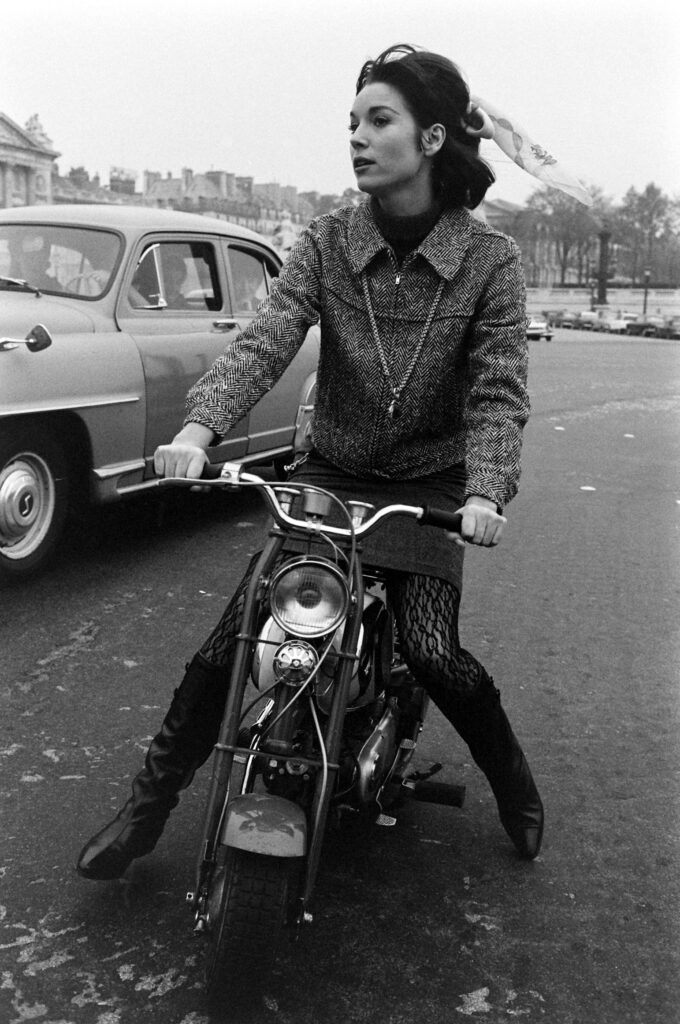
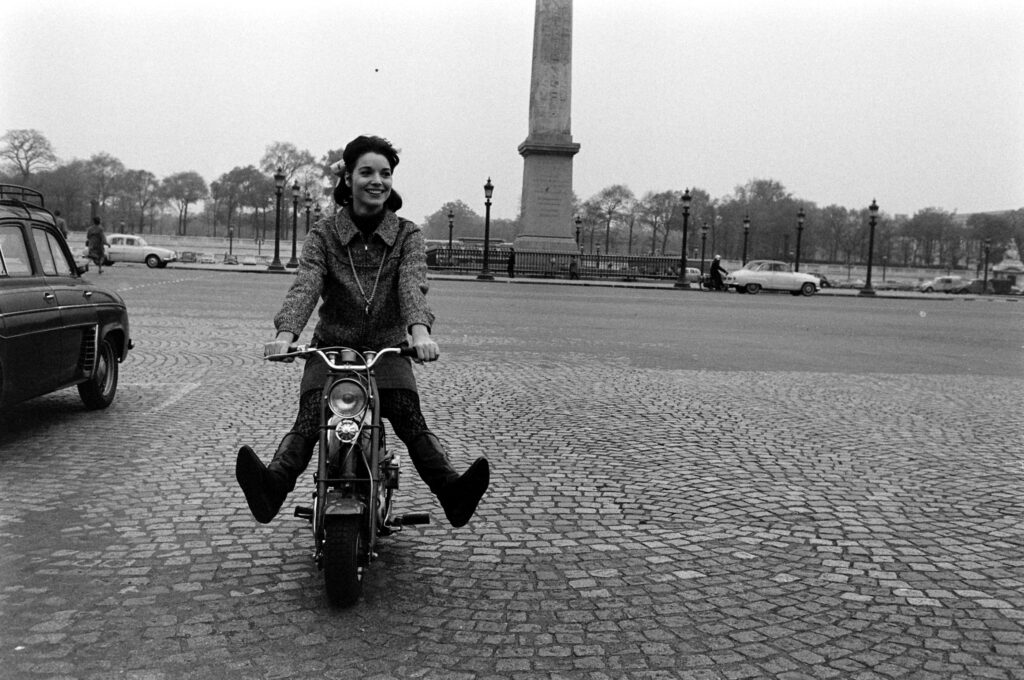
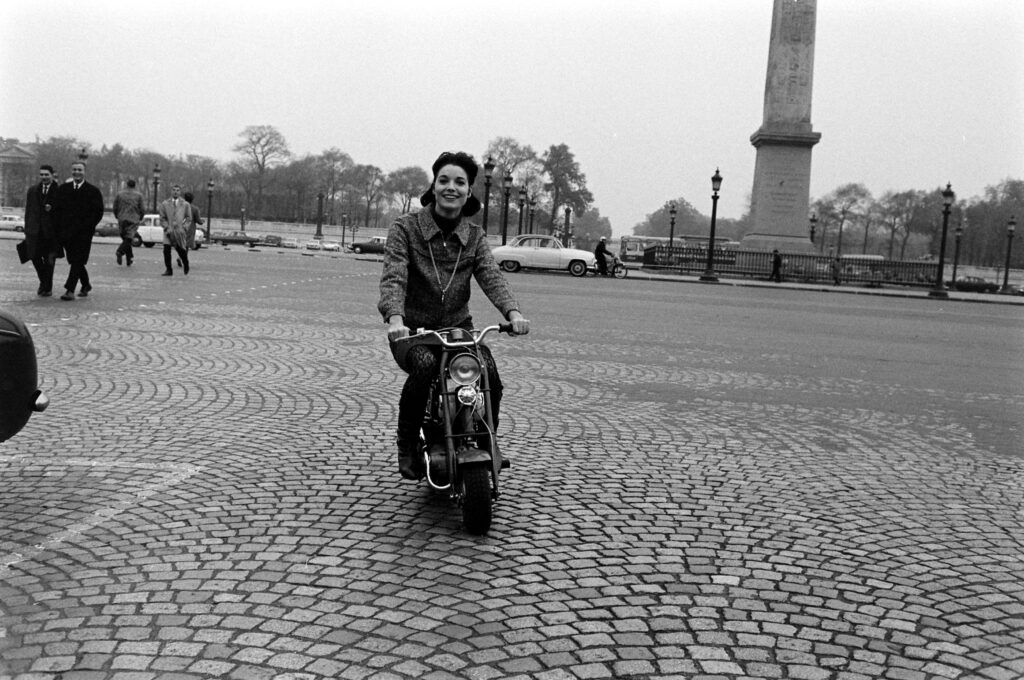
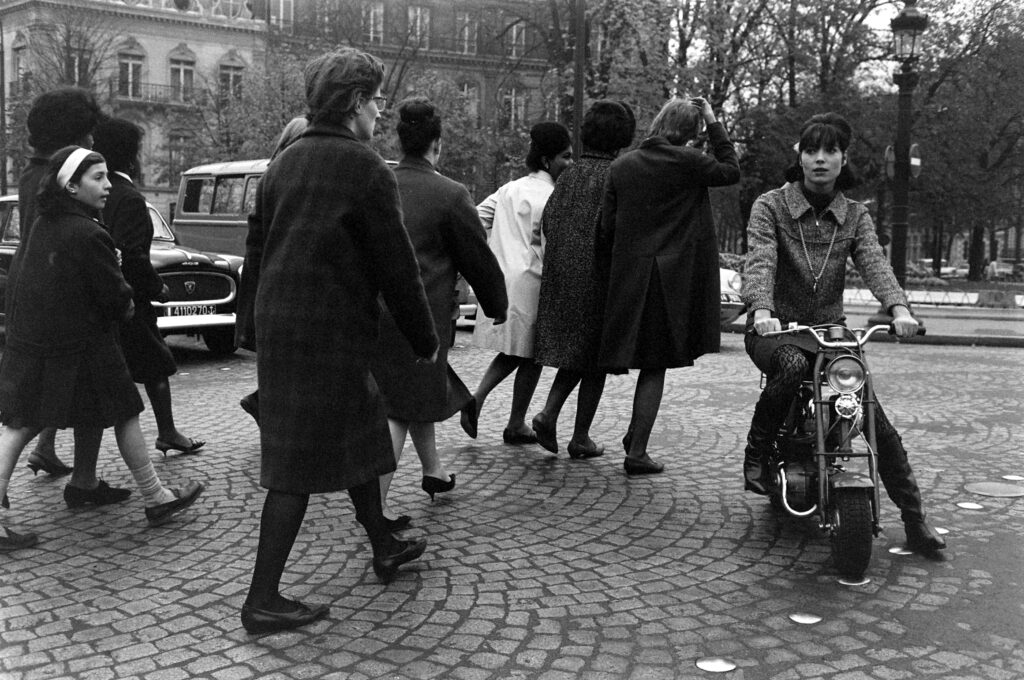
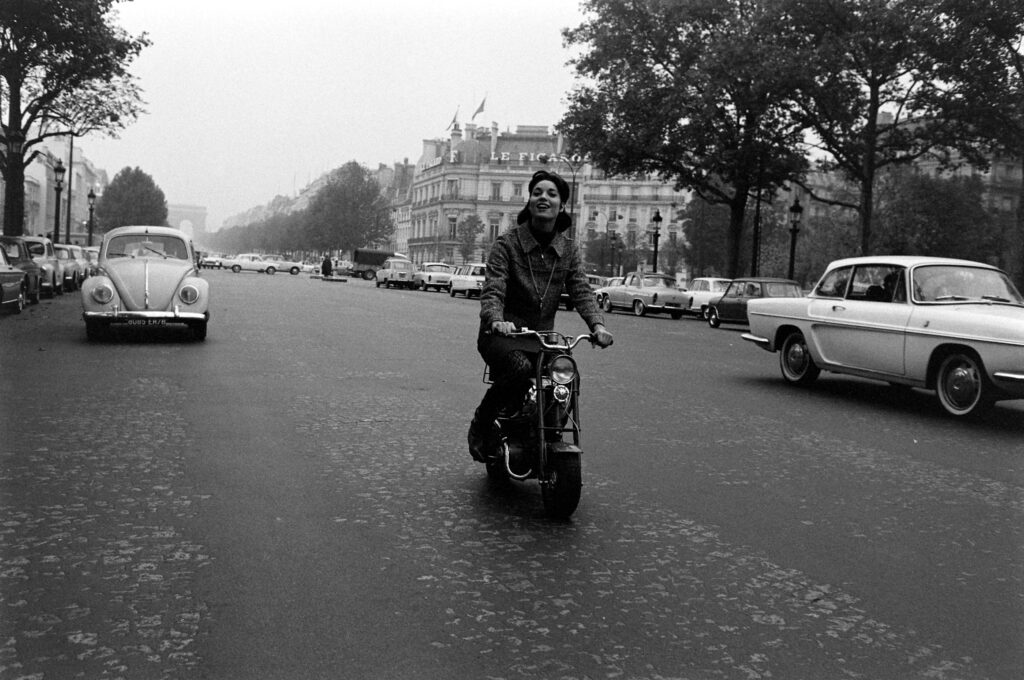
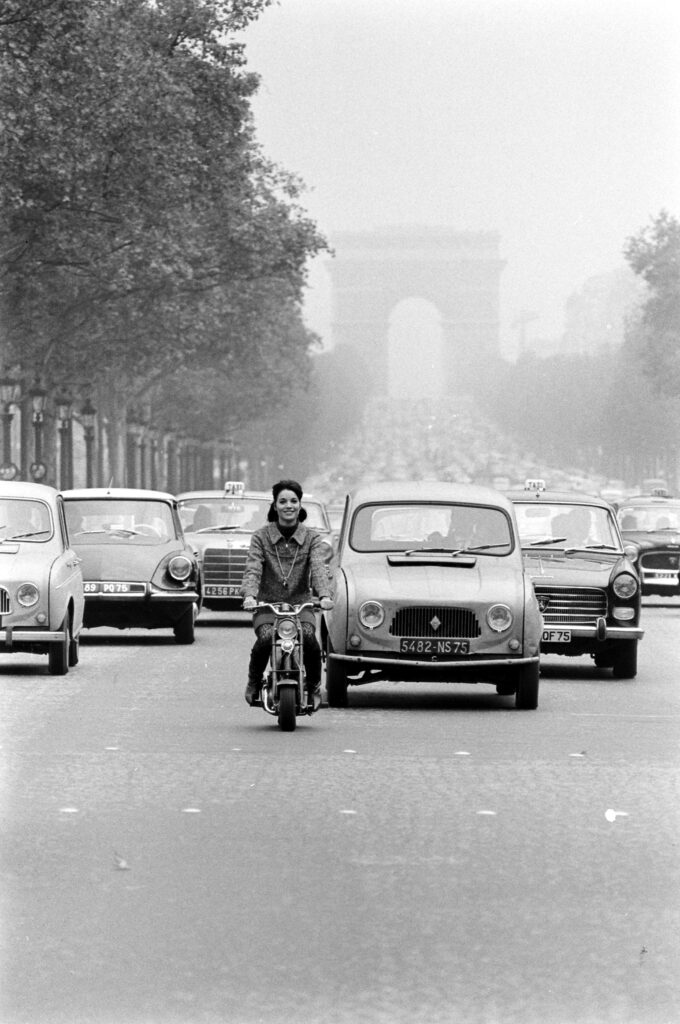
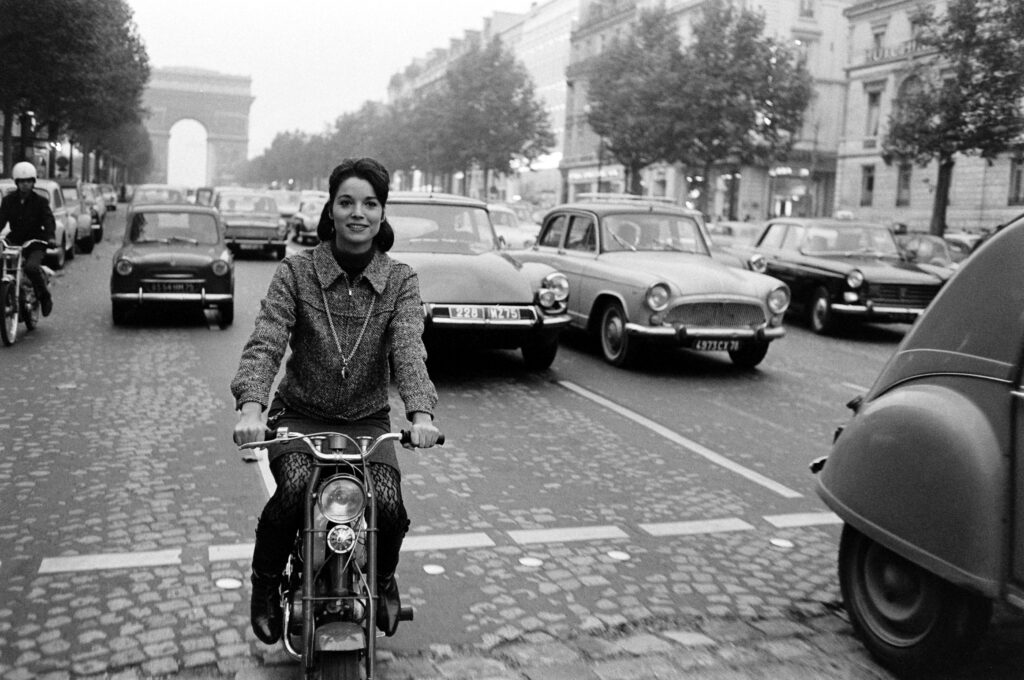
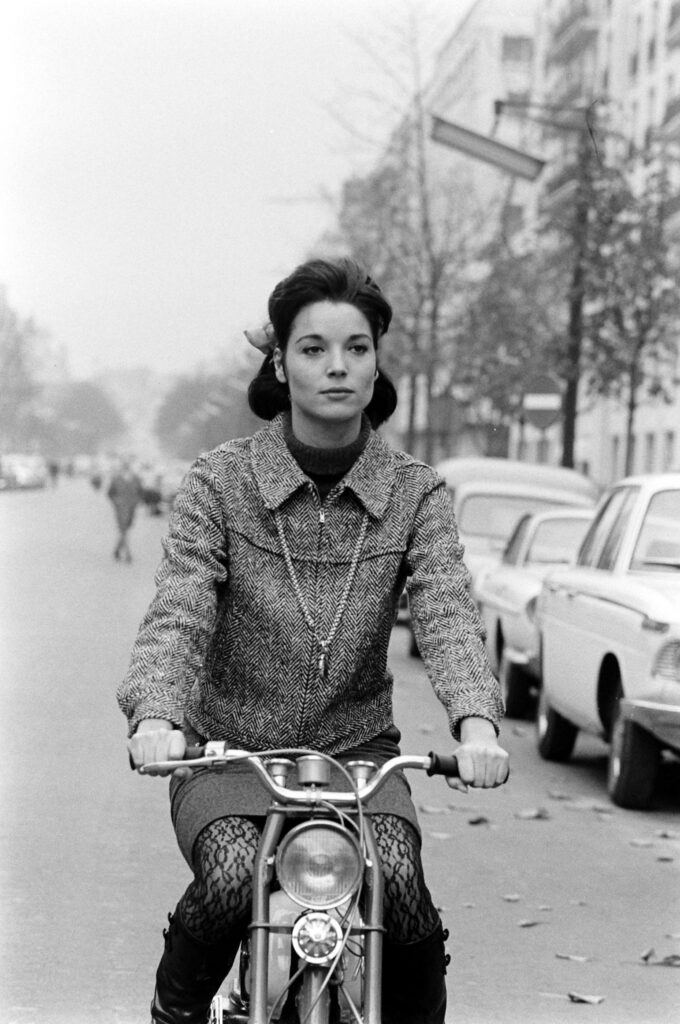
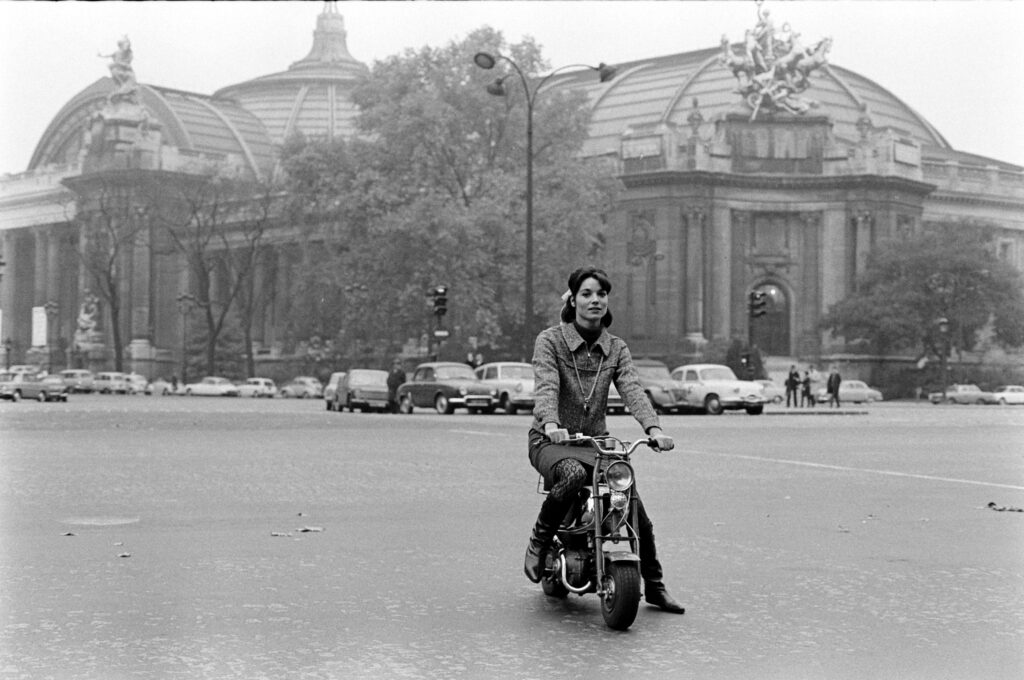
She also spent some time in front of a LIFE camera for a story that never ran in the magazine but produced some charming images. In 1964 photographer Carlo Bavagnoli followed Martinelli as she rode around Paris on a motorbike—it looks like a Honda CZ100, the first minibike sold to consumers. In her day Martinelli was often talked about as Italy’s answer to Audrey Hepburn, and the resemblance is prominent as she scoots about the City of Lights in a manner that calls to mind the playful spirit that Hepburn showed when she gadded about a different European capital in the cinema classic Roman Holiday.

Martinelli is of course smartly dressed in these photos and they also benefit from the flavor of Paris, especially when the Champs Elysées looms in the background.

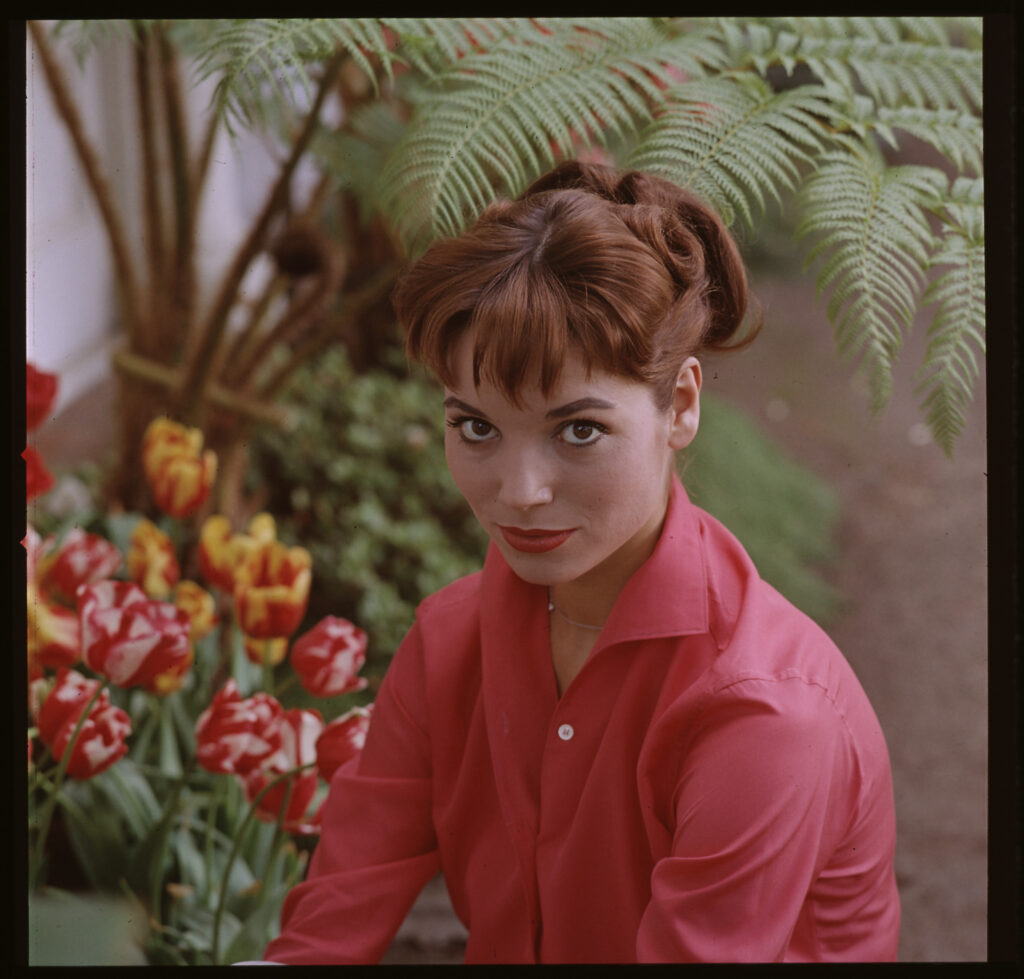
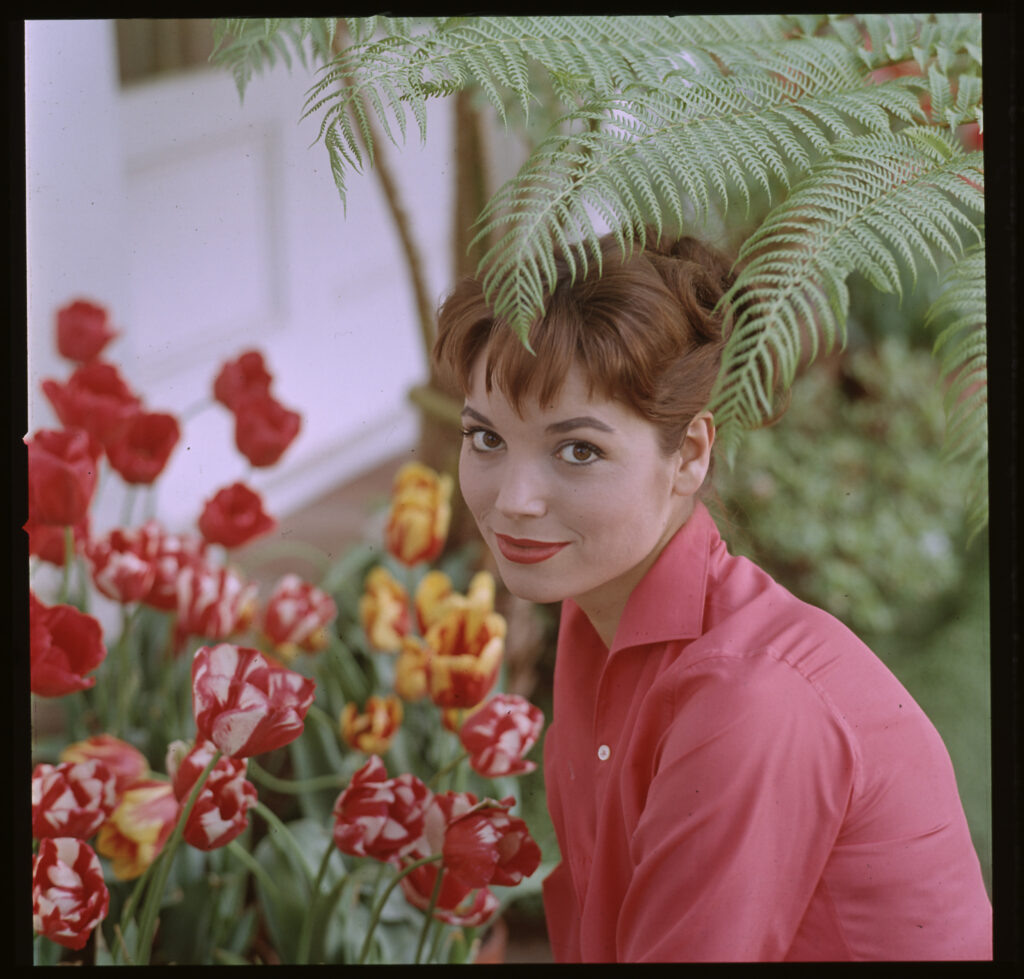
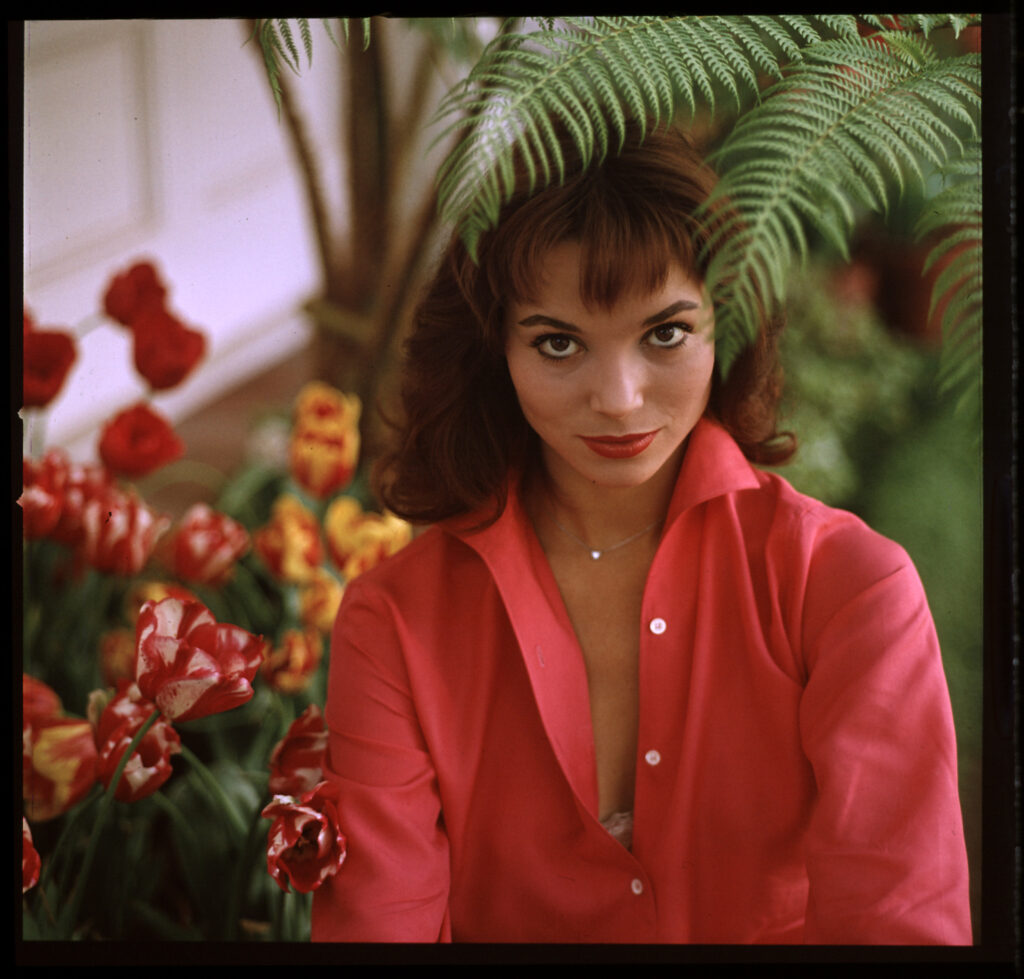
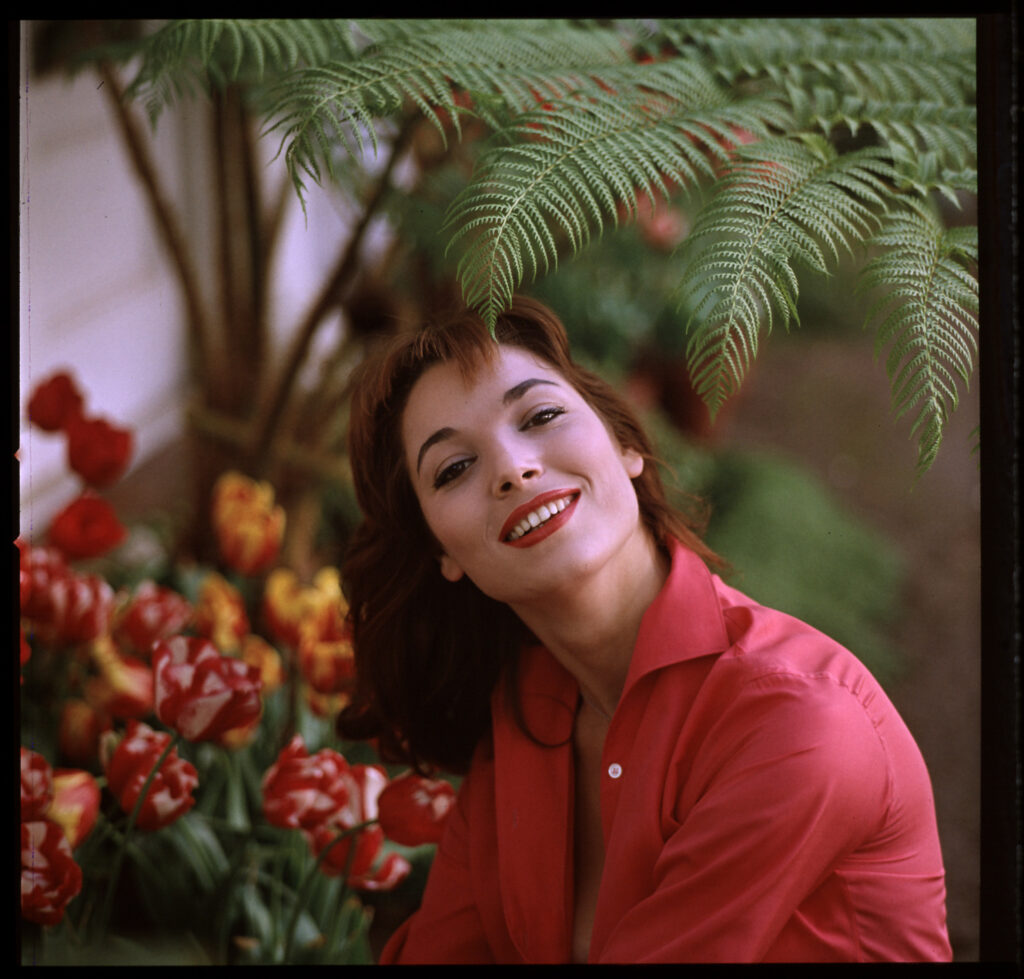
Also included in this gallery are several shots of Martinelli by another LIFE photographer, Ralph Crane. These give a glimpse of what this cover model looked like in living color.

Elsa Martinelli rode a motorbike in Paris, 1964.

Carlo Bavagnoli/Life Picture Collection/Shutterstock

Elsa Martinelli rode a motorbike in Paris, 1964.

Carlo Bavagnoli/Life Picture Collection/Shutterstock

Elsa Martinelli rode a motorbike in Paris, 1964.

Carlo Bavagnoli/Life Picture Collection/Shutterstock

Elsa Martinelli rode a motorbike in Paris, 1964.

Carlo Bavagnoli/Life Picture Collection/Shutterstock

Elsa Martinelli rode a motorbike in Paris, 1964.

Carlo Bavagnoli/Life Picture Collection/Shutterstock

Elsa Martinelli rode a motorbike in Paris, 1964.

Carlo Bavagnoli/Life Picture Collection/Shutterstock

Elsa Martinelli rode a motorbike in Paris, 1964.

Carlo Bavagnoli/Life Picture Collection/Shutterstock

Elsa Martinelli rode a motorbike in Paris, 1964.

Carlo Bavagnoli/Life Picture Collection/Shutterstock

Elsa Martinelli rode a motorbike in Paris, 1964.

Carlo Bavagnoli/Life Picture Collection/Shutterstock

Elsa Martinelli rode a motorbike in Paris, 1964.

Carlo Bavagnoli/Life Picture Collection/Shutterstock

Elsa Martinelli rode a motorbike in Paris, 1964.

Carlo Bavagnoli/Life Picture Collection/Shutterstock

Elsa Martinelli rode a motorbike in Paris, 1964.

Carlo Bavagnoli/Life Picture Collection/Shutterstock

Portrait of actress Elsa Martinelli, 1960.

Ralph Crane/Life Picture Collection/Shutterstock

Portrait of actress Elsa Martinelli, 1960.

Ralph Crane/Life Picture Collection/Shutterstock

Portrait of actress Elsa Martinelli, 1960.

Ralph Crane/Life Picture Collection/Shutterstock

Portrait of actress Elsa Martinelli, 1960.

Ralph Crane/Life Picture Collection/Shutterstock

The post Meet Three-Time LIFE Cover Model Elsa Martinelli appeared first on LIFE.
When you think of animals that would work as house pets, tigers generally don’t top the list. And for good reason. The website The Spruce Pets advises that no tiger species should be kept as a pet, noting that the practice is banned in most U.S. states. Among the reasons why tigers don’t make good pets: as adults the tigers “eat dozens of pounds of meat per day and need acres of expensive high-security enclosures.”

Not to mention the obvious dangers.

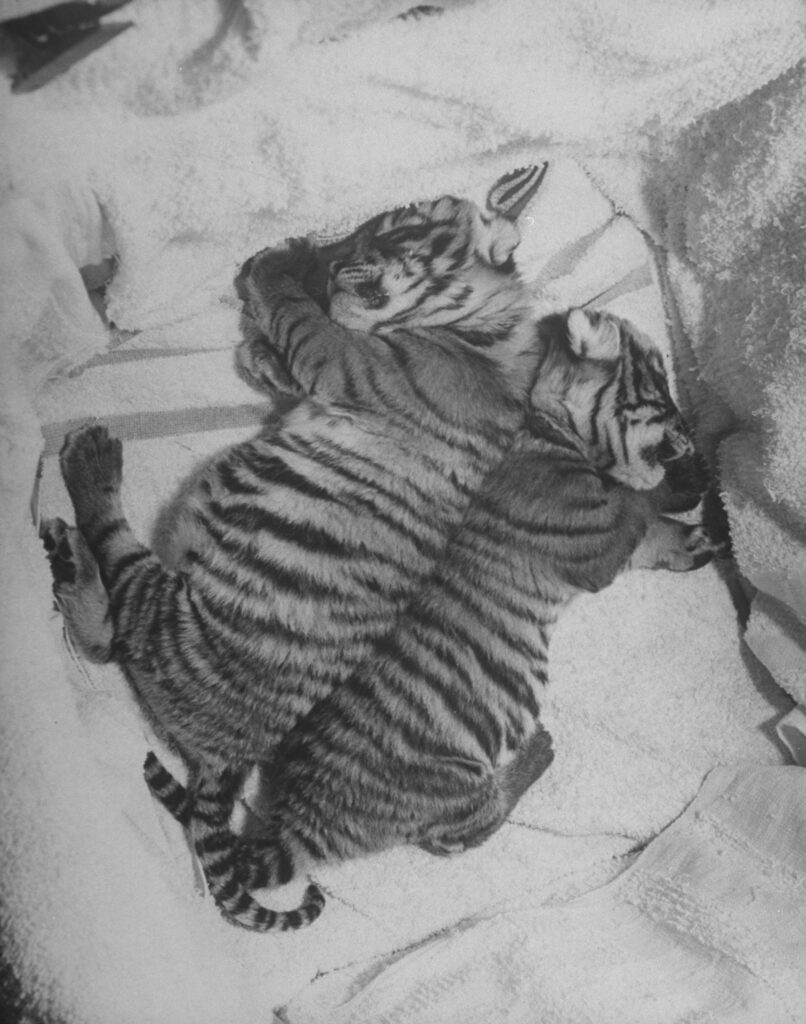
But in 1944 LIFE wrote about a special instance in which a woman took in three tiger cubs into her New York city apartment, and it worked out quite well—for the most part.

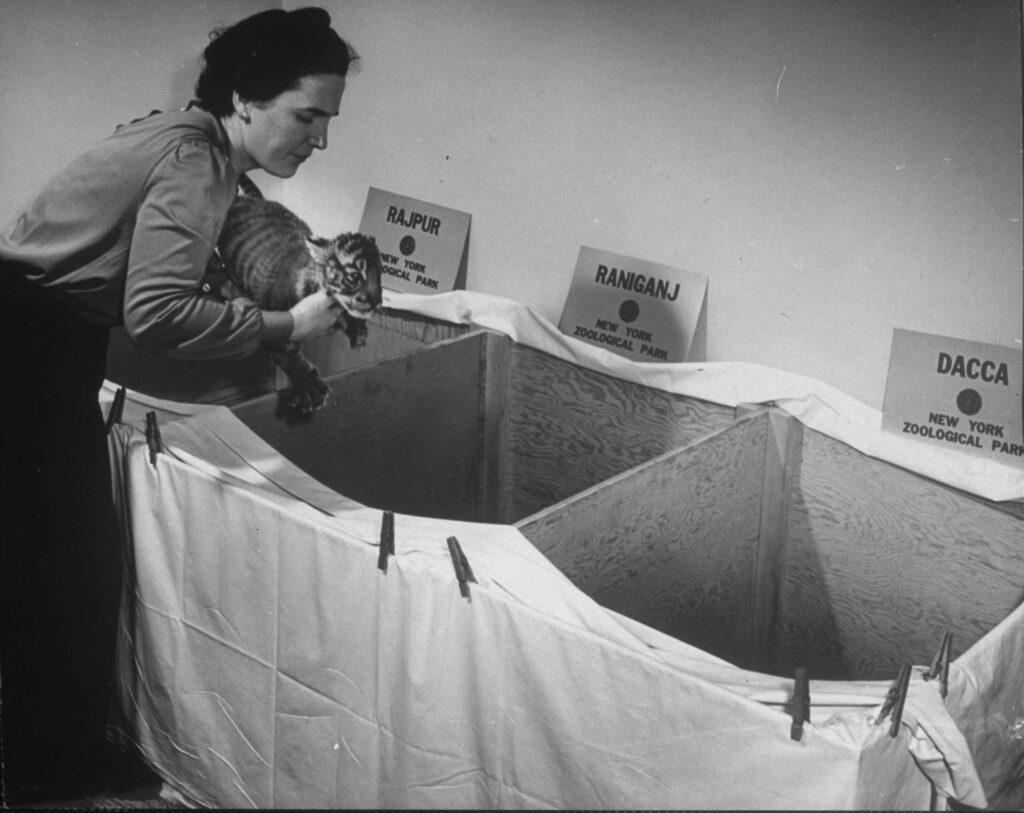
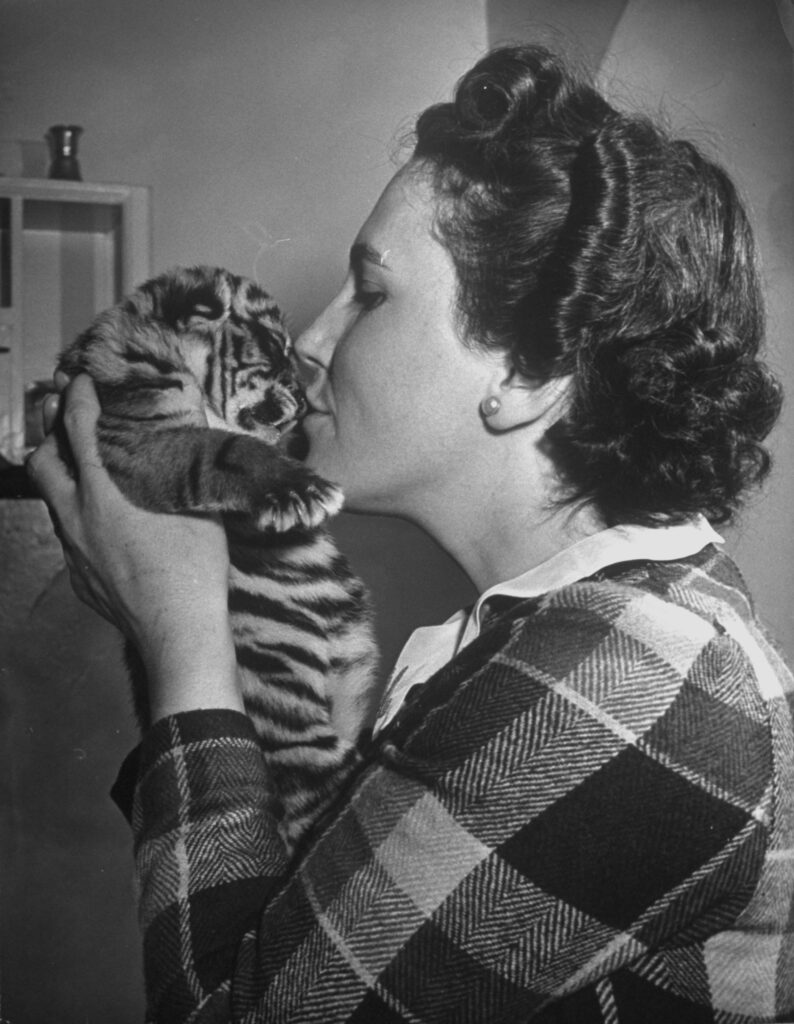
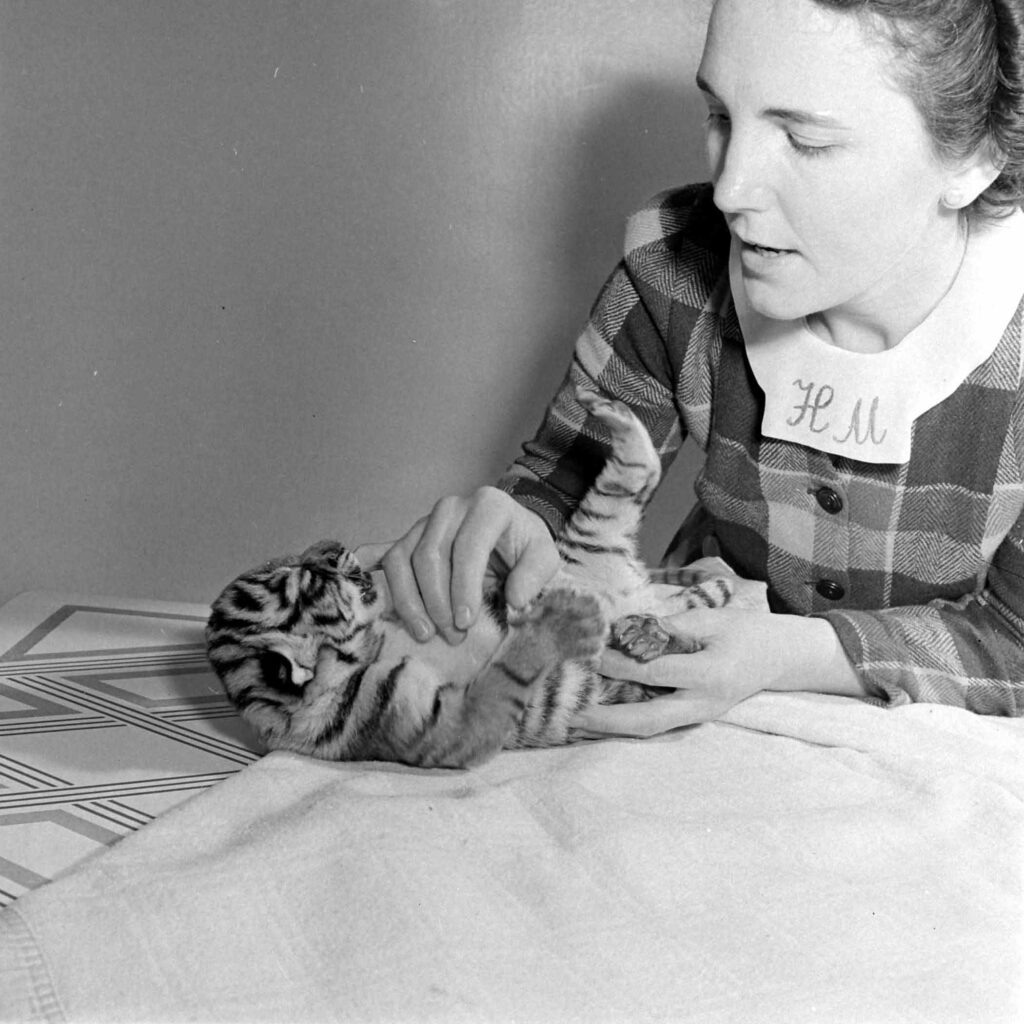
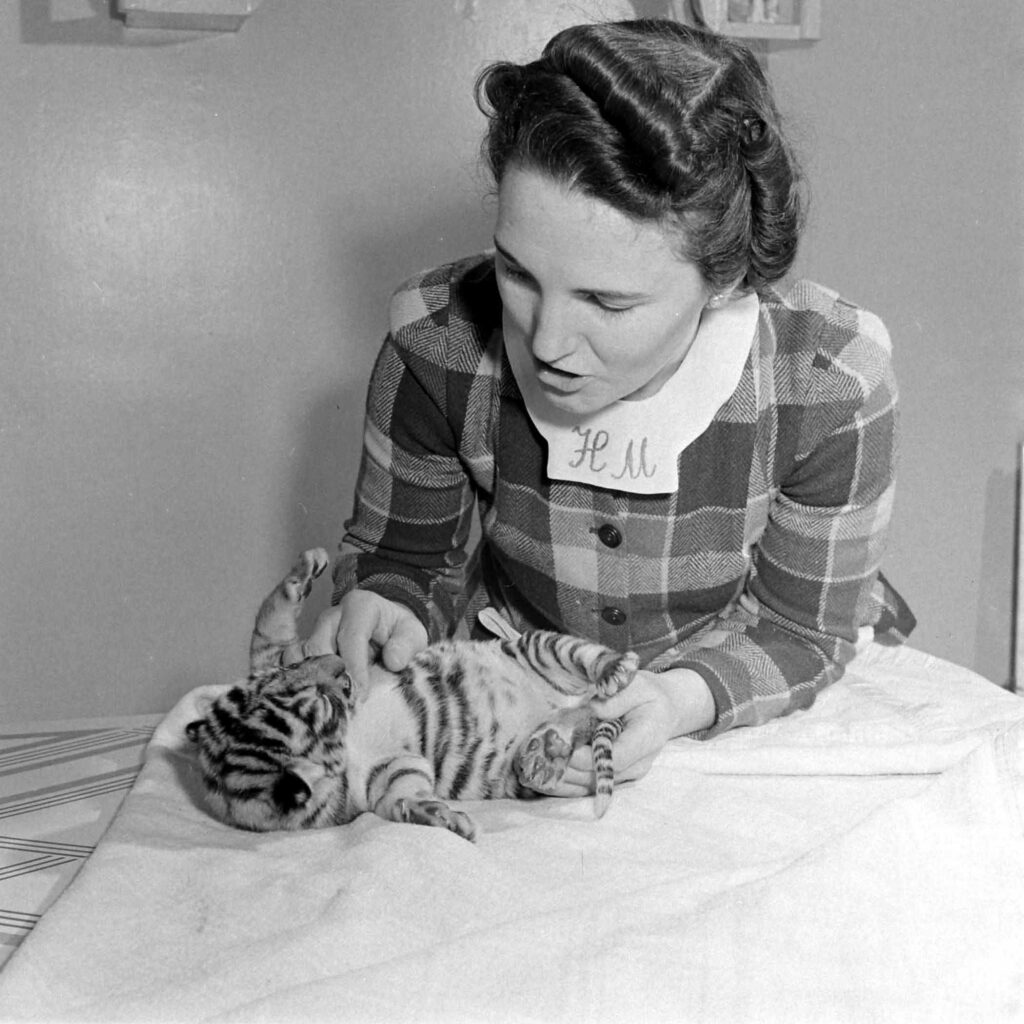
She took in the tiger cubs because of a situation at the Bronx Zoo, where her husband worked as a lion keeper. The zoo had a Bengal tiger named Jenny who had given birth to three cubs. As sometimes happens with tigers in captivity, Jenny refused to nurse her young. So Helen Martini, the lion keeper’s wife, stepped forward to give these young cubs the care that they needed.

As LIFE described it, taking care of the cubs kept her quite busy:

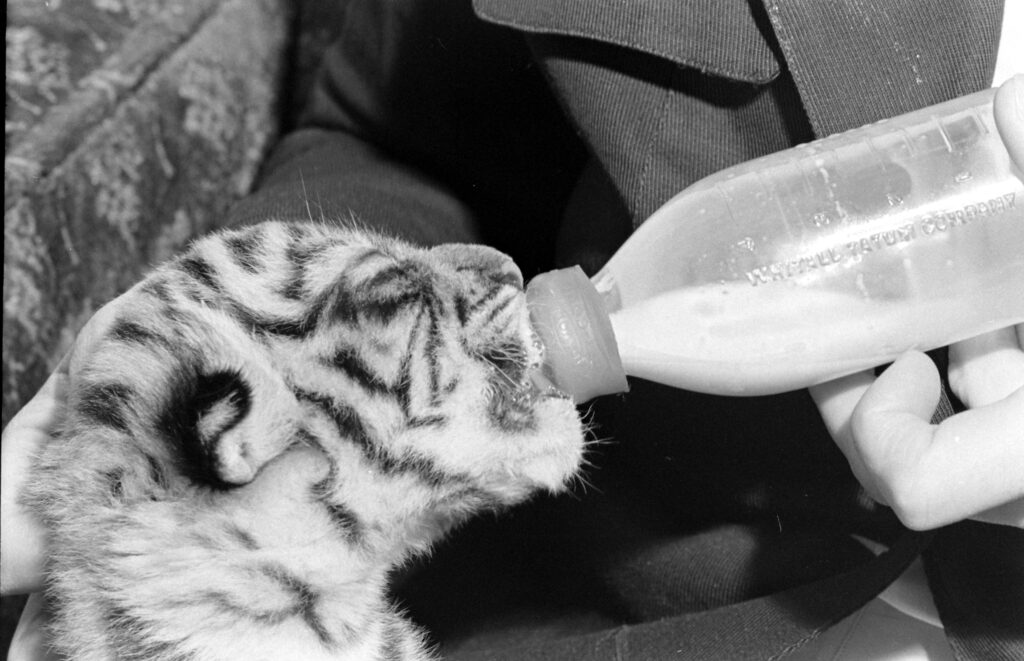
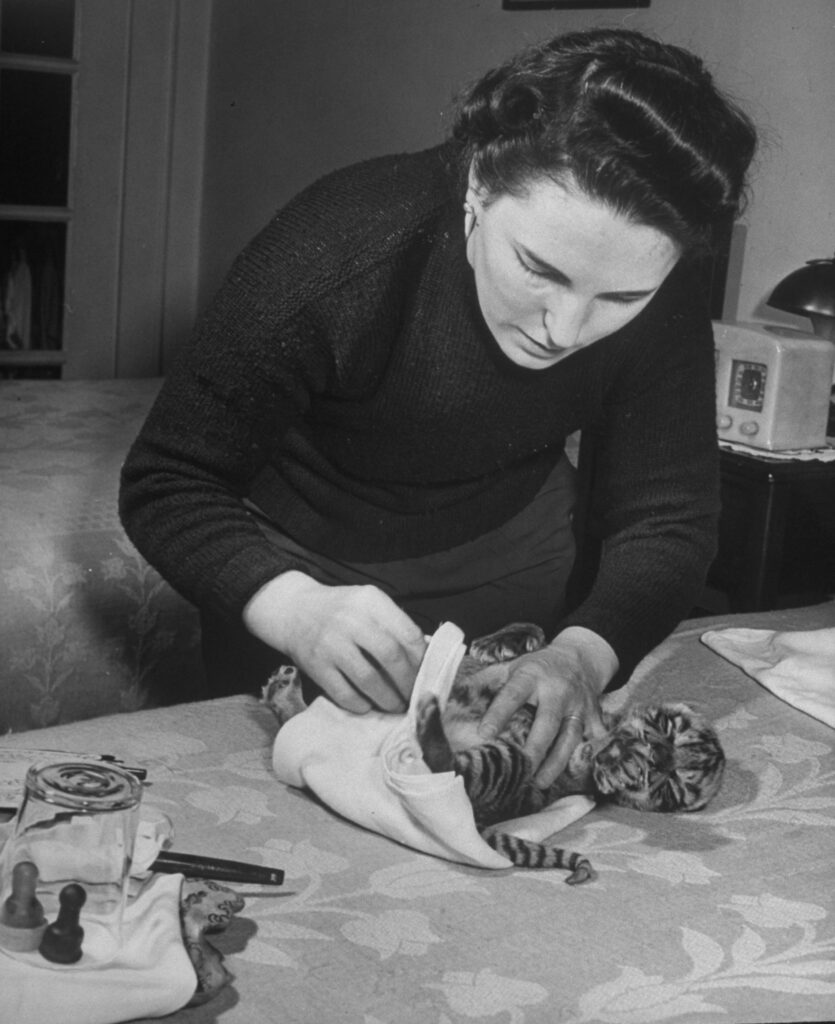
Fed every three hours, the cubs announce their mealtime with loud squalls, which grow louder as they grow hungrier. They have not learned to lap from a saucer and each has to be fed from a bottle. When she is not feeding them, Mrs. Martini is cleaning them, or putting drops in their eyes, or playing with them. Though quite tame and playful, the cubs’s long claws require her to wear leather gloves when handling them.

The tigers’ stay at the Martini home was only set to last about a month. At that point the cubs would need to transition to be a meat diet and become too much to handle around a New York City apartment.

The images of Martini caring for the cubs, taken by LIFE staff photograper Alfred Eisenstaedt, show the obvious affection she developed for these adorable creatures. But having tigers in her house came with its problems. Not only did Mrs. Martini have to wear those protective leather gloves, she also had to take the drapes off her windows before the cubs completely shredded them.

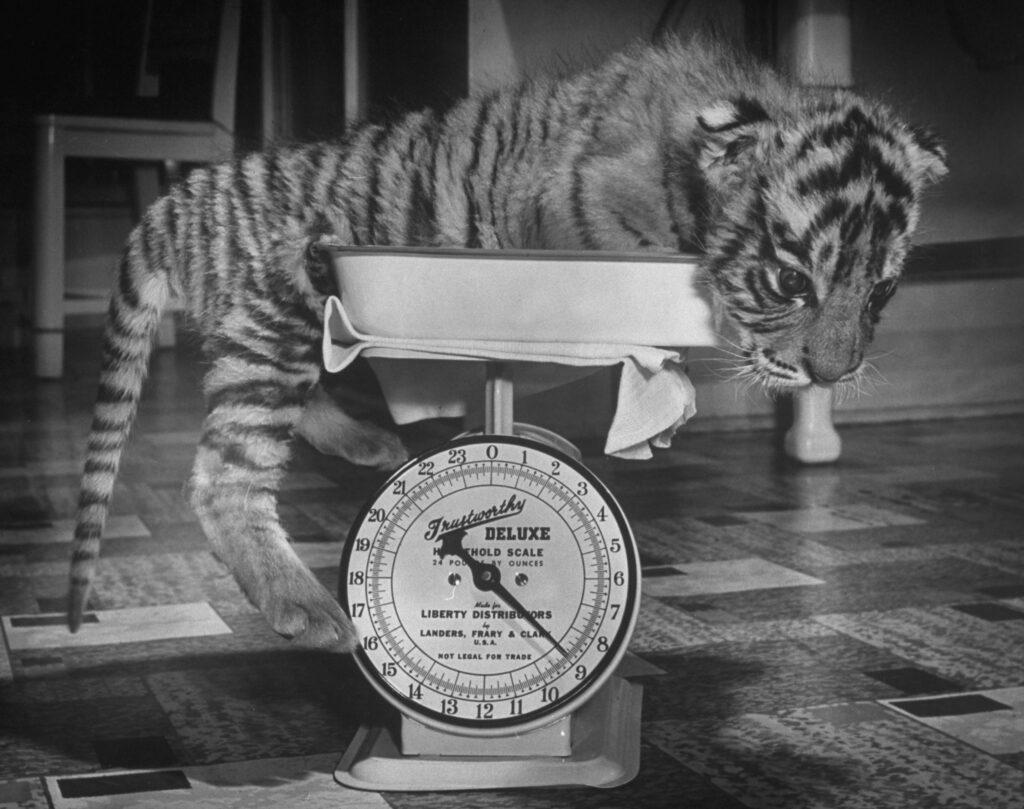
This was happening when the cubs weighed around eight pounds. As adults Bengal tigers can weigh close to 600 pounds.

In short, don’t try this at home.

At five weeks old, this tiger cub weighed 6 1/2 pounds over its birth weight, 1944.

Alfred Eisenstaedt/Life Picture Collection/Shutterstock

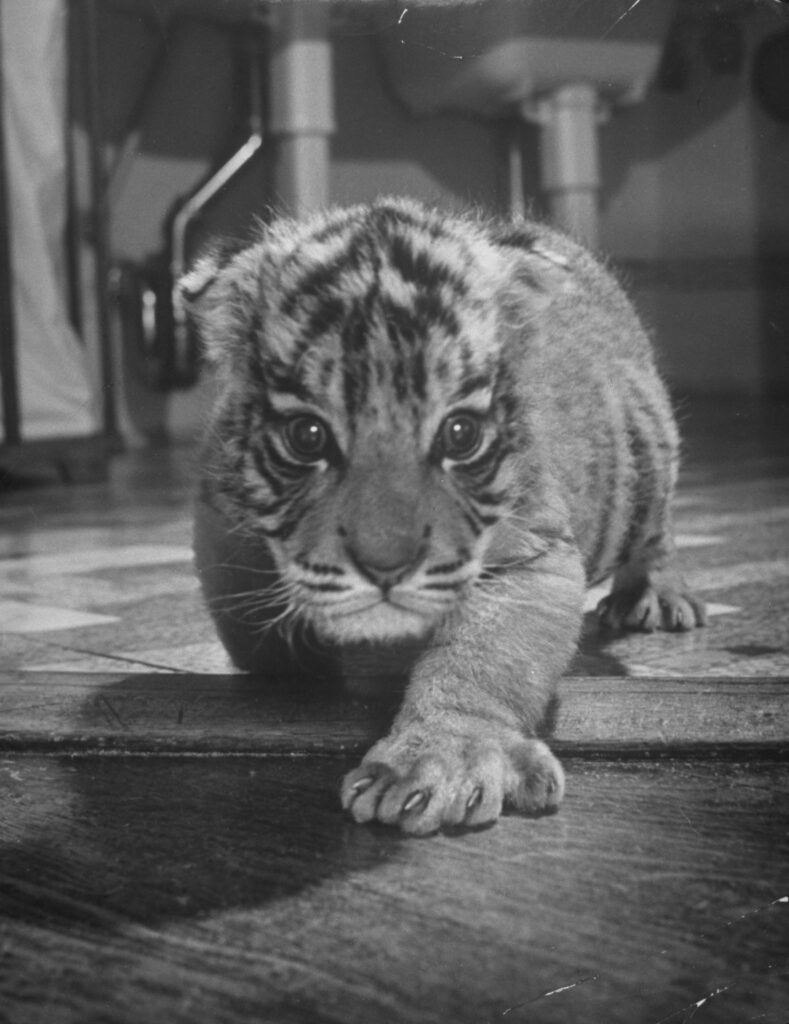
A tiger cub made its way from the kitchen to the living room while staying at the home of the Bronx Zoo’s lion keeper, 1944.

Alfred Eisenstaedt/Life Picture Collection/Shutterstock

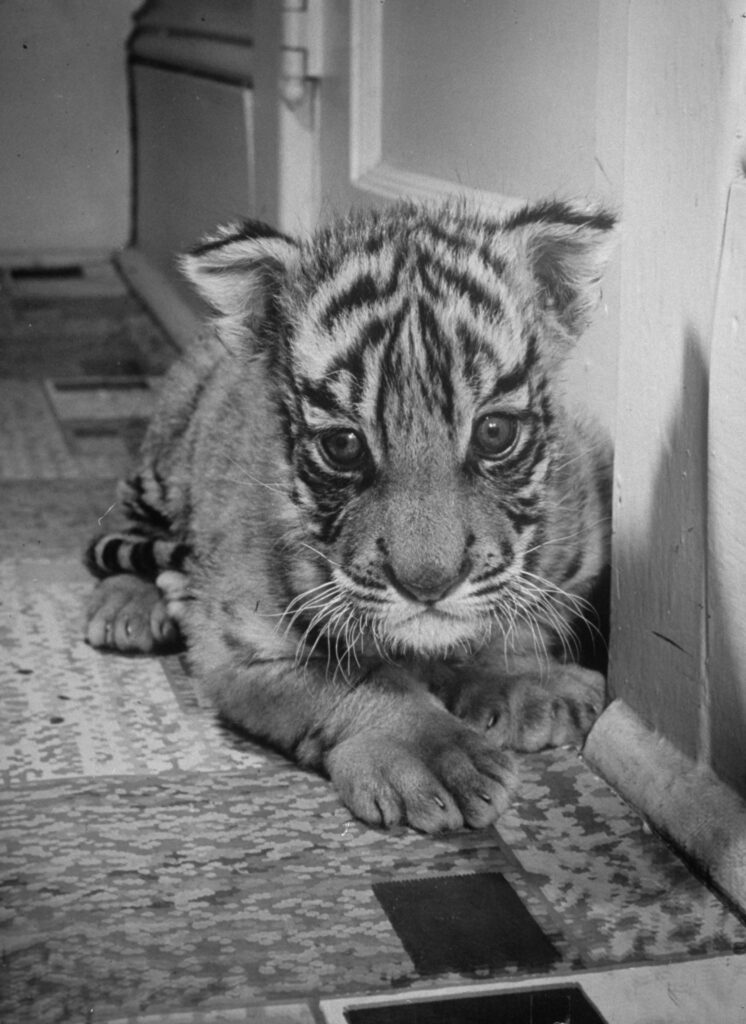
A tiger cub made its way around the home of the Bronx Zoo’s lion keeper; these cubs were given home care because their captive mother would not nurse them, 1944.

Alfred Eisenstaedt/Life Picture Collection/Shutterstock

Helen Martini, wife of a Bronx Zoo lion keeper, cared for three tiger cubs after their captive mother would not nurse them, 1944.

Alfred Eisenstaedt/Life Picture Collection/Shutterstock

Three tiger cubs were taken into the home of a Bronx Zoo lion keeper because their captive mother would not nurse them; they needed to be fed by bottle because they had not learned to lap from a bowl, 1944.

Alfred Eisenstaedt/Life Picture Collection/Shutterstock

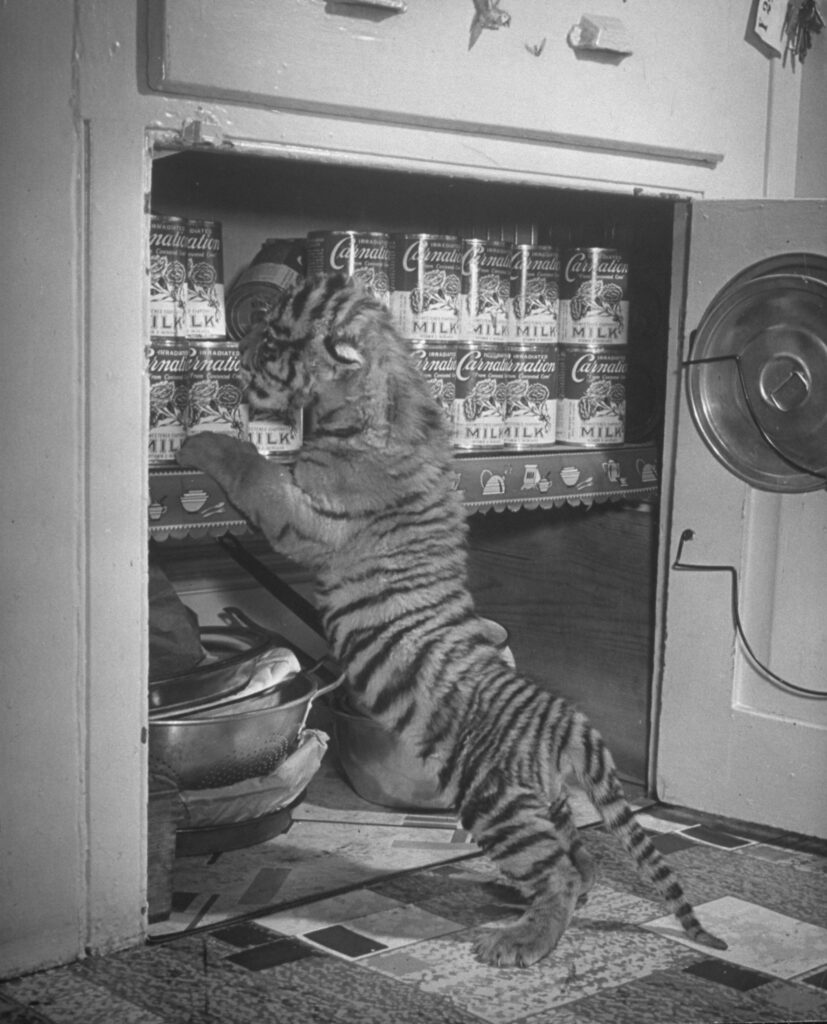
Rajpur, a tiger cub, investigated a kitchen cabinet full of Carnation evaporated milk; he was temporarily being cared for by Helen Martini, the wife of the Bronx Zoo lion keeper, because its captive mother would not nurse her cubs, 1944.

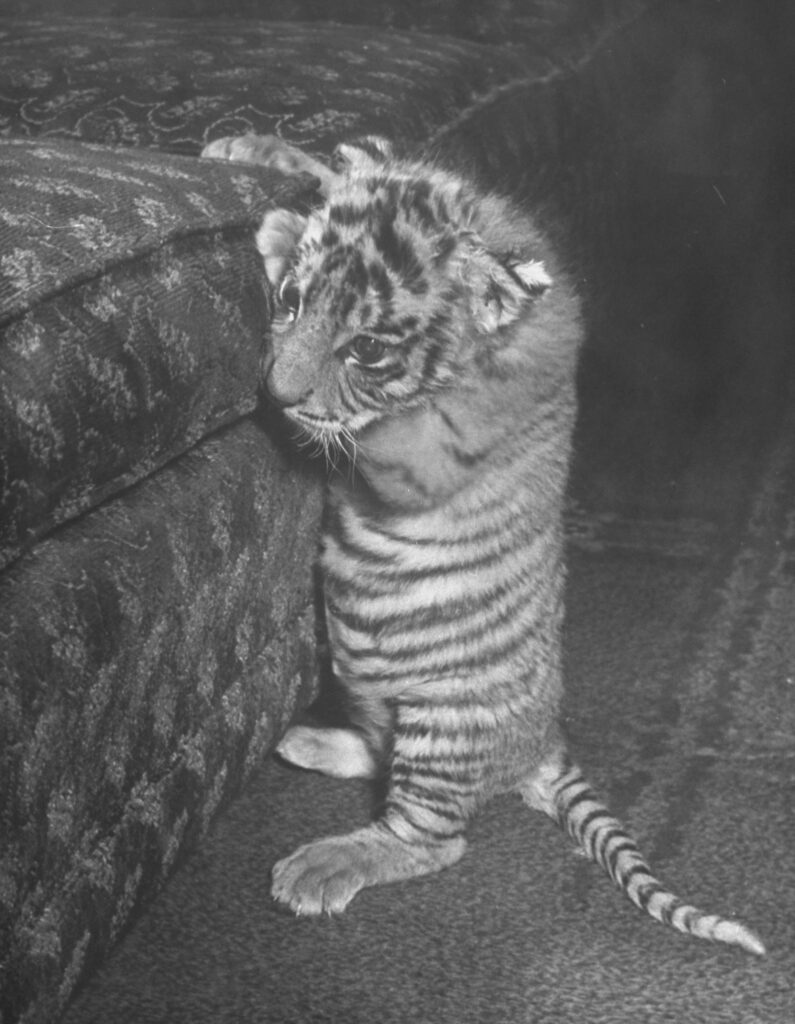
A tiger cub trying to climb onto a couch while staying at the home of the Bronx Zoo lion keeper; the keeper’s wife was caring for the tigers because their captive mother would not nurse them, 1944.

Alfred Eisenstaedt/Life Picture Collection/Shutterstock

Tiger cubs stayed at the home of the Bronx Zoo lion keeper after their captive mother would not nurse them, 1944.

Alfred Eisenstaedt/Life Picture Collection/Shutterstock

Helen Martini, wife of a Bronx Zoo lion keeper cared for three tiger cubs after their captive mother would not nurse them, 1944.

Alfred Eisenstaedt/Life Picture Collection/Shutterstock

Helen Martini, wife of a Bronx Zoo lion keeper cared for three tiger cubs after their captive mother would not nurse them, 1944.

Alfred Eisenstaedt/Life Picture Collection/Shutterstock

Helen Martini, wife of a Bronx Zoo lion keeper cared for three tiger cubs after their captive mother would not nurse them, 1944.

Alfred Eisenstaedt/Life Picture Collection/Shutterstock

Helen Martini, wife of a Bronx Zoo lion keeper cared for three tiger cubs after their captive mother would not nurse them, 1944.

Alfred Eisenstaedt/Life Picture Collection/Shutterstock

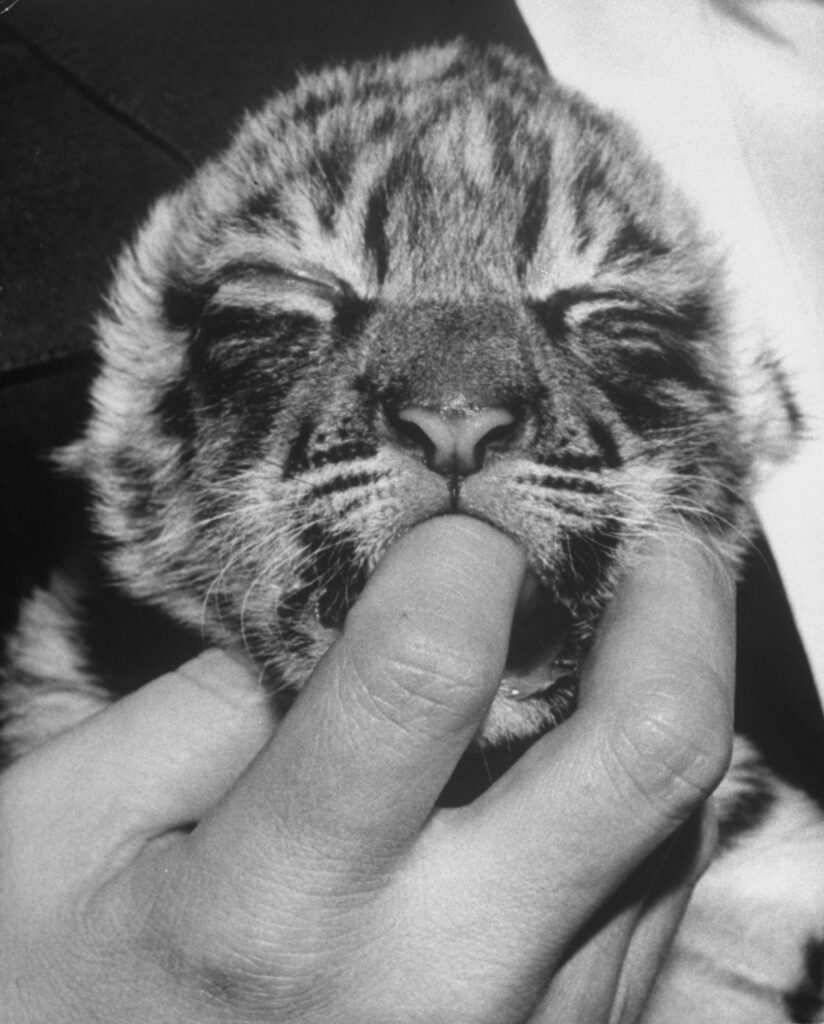
A tiger cub sucked on the finger of Helem Martini, who was the wife of the Bronx Zoo lion keeper and was looking after three tigers because their captive mother would not nurse them, 1944.

Alfred Eisenstaedt/Life Picture Collection/Shutterstock

The post When Tiger Cubs Come to Stay appeared first on LIFE.
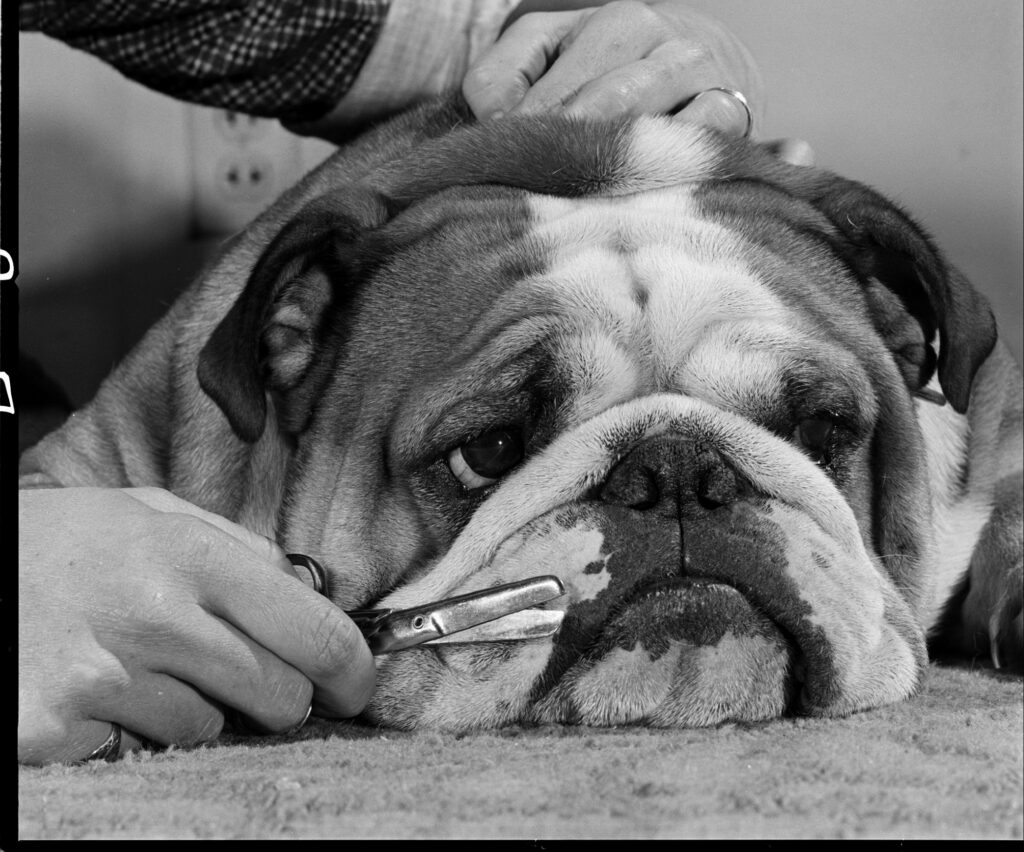
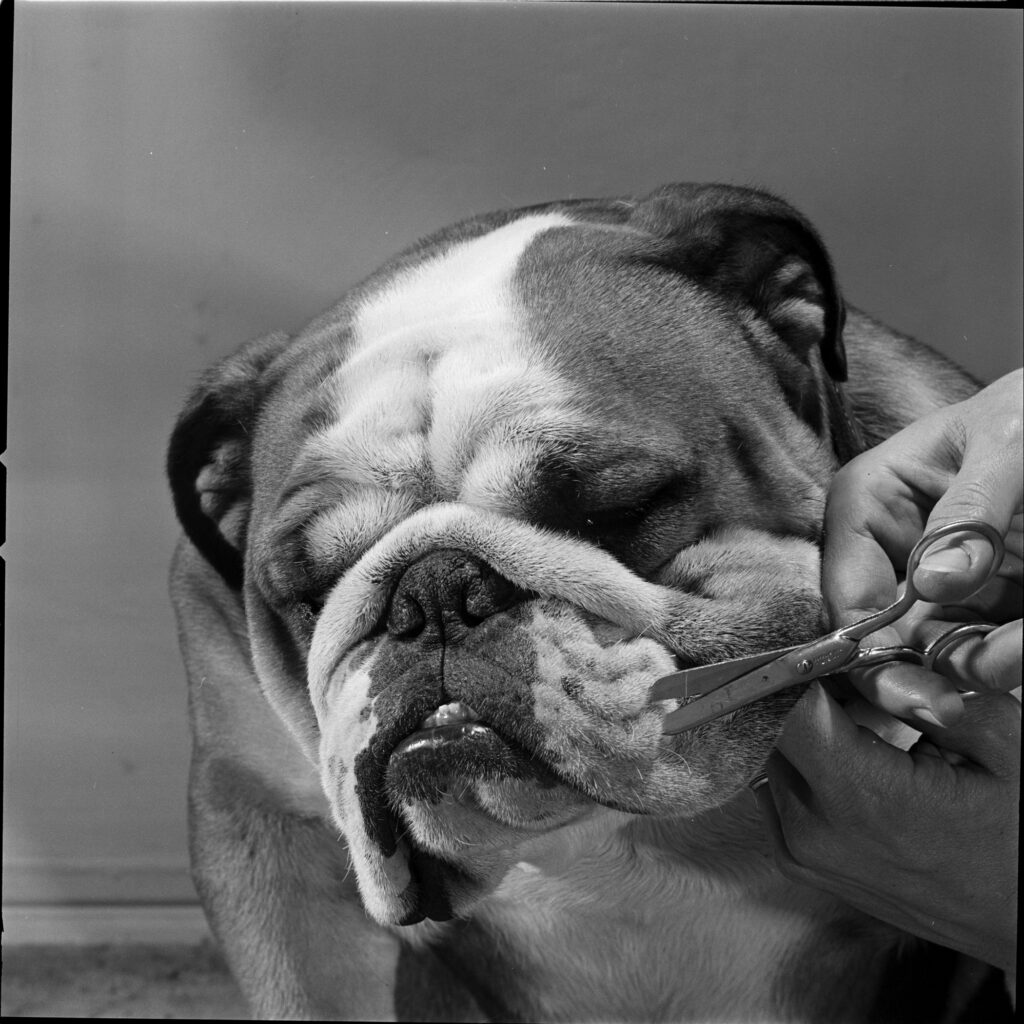
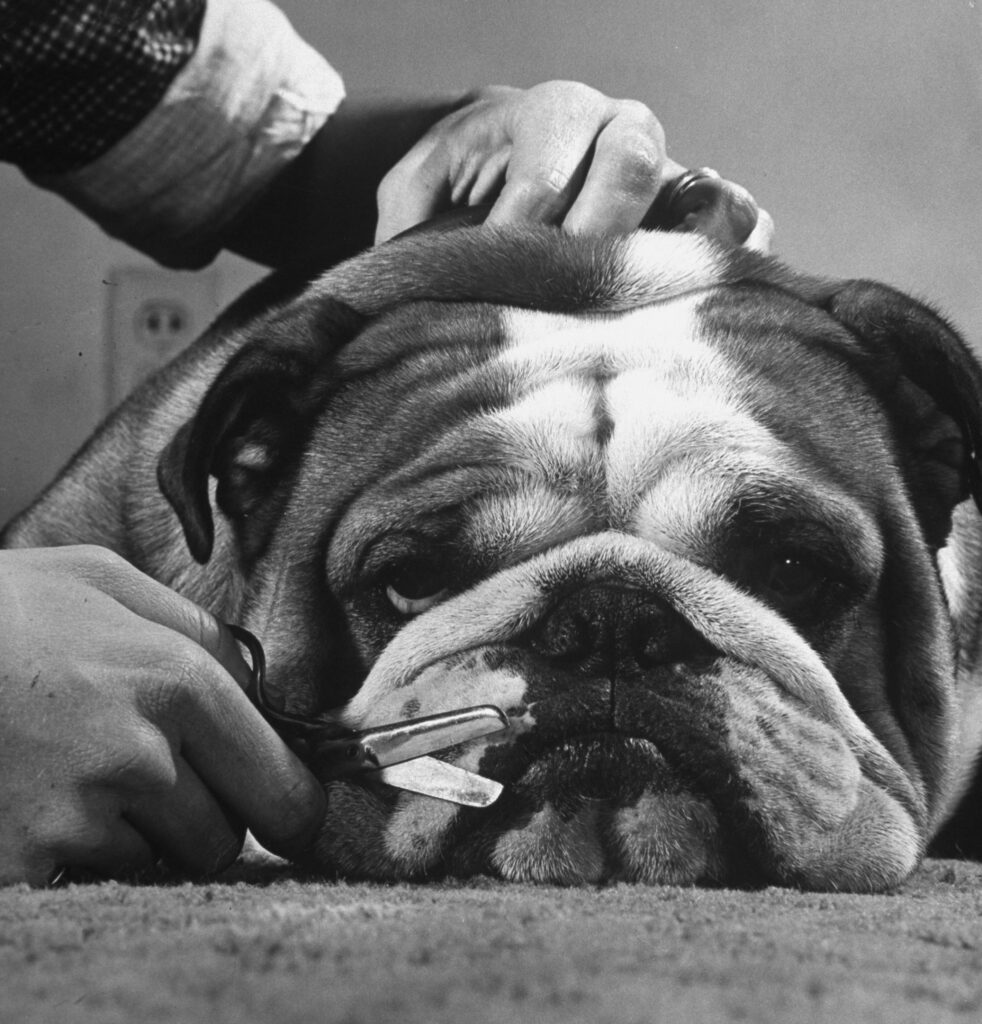
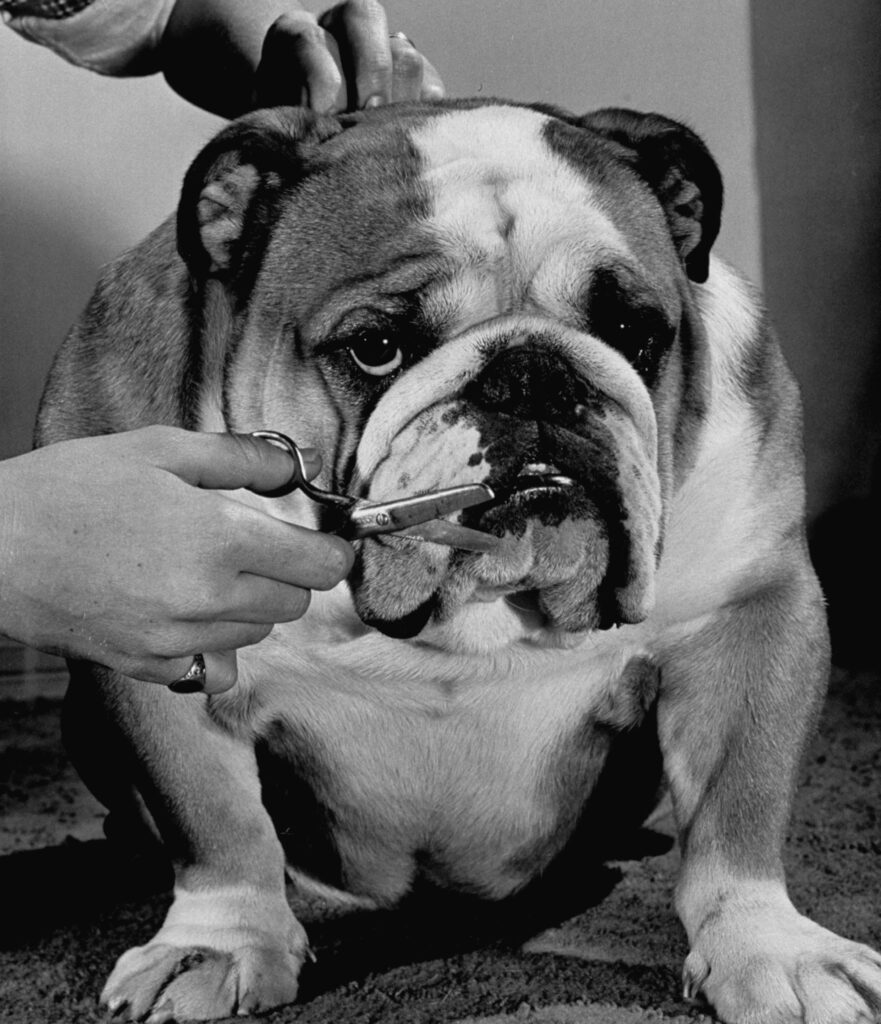
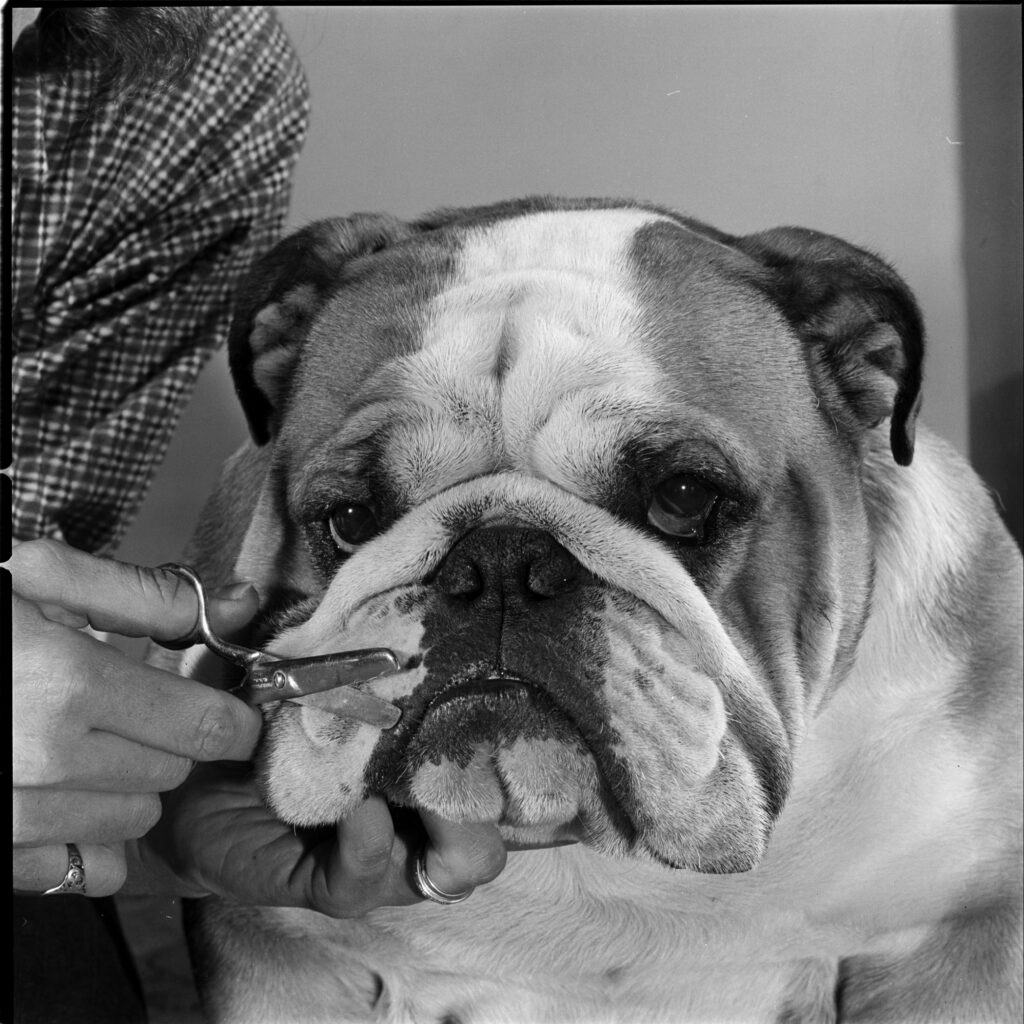
The expressions on this dog’s face are priceless, and you don’t need to know his place in history to appreciate the photos of Kippax Fearnought that were taken by LIFE staff photographer George Silk.
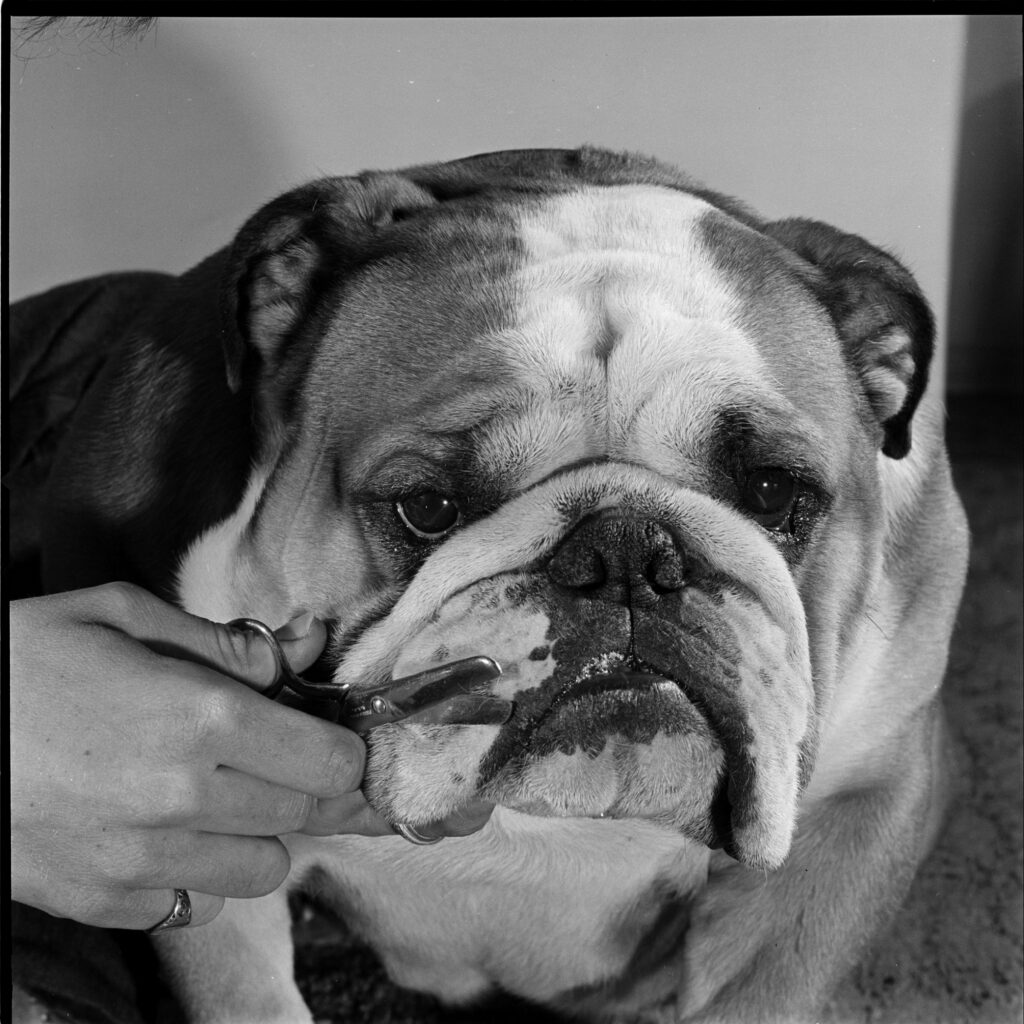
But in fact the dog does have a place in history, which in why LIFE featured this grumpy-looking fellow its Feb. 28, 1955 issue. Fearnought had just won the Westminster Kennel Club dog show, which was a rarity for a bulldog.

Here’s what LIFE said about the result:

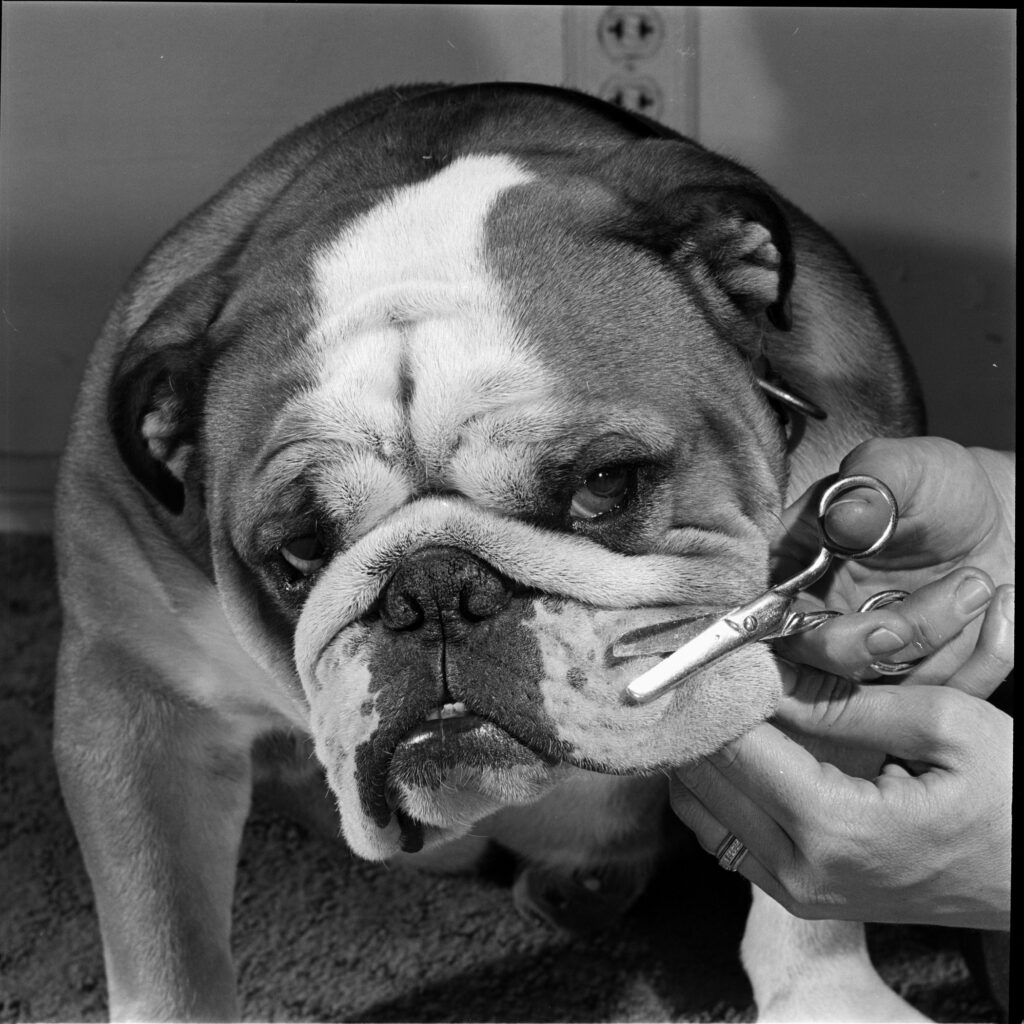
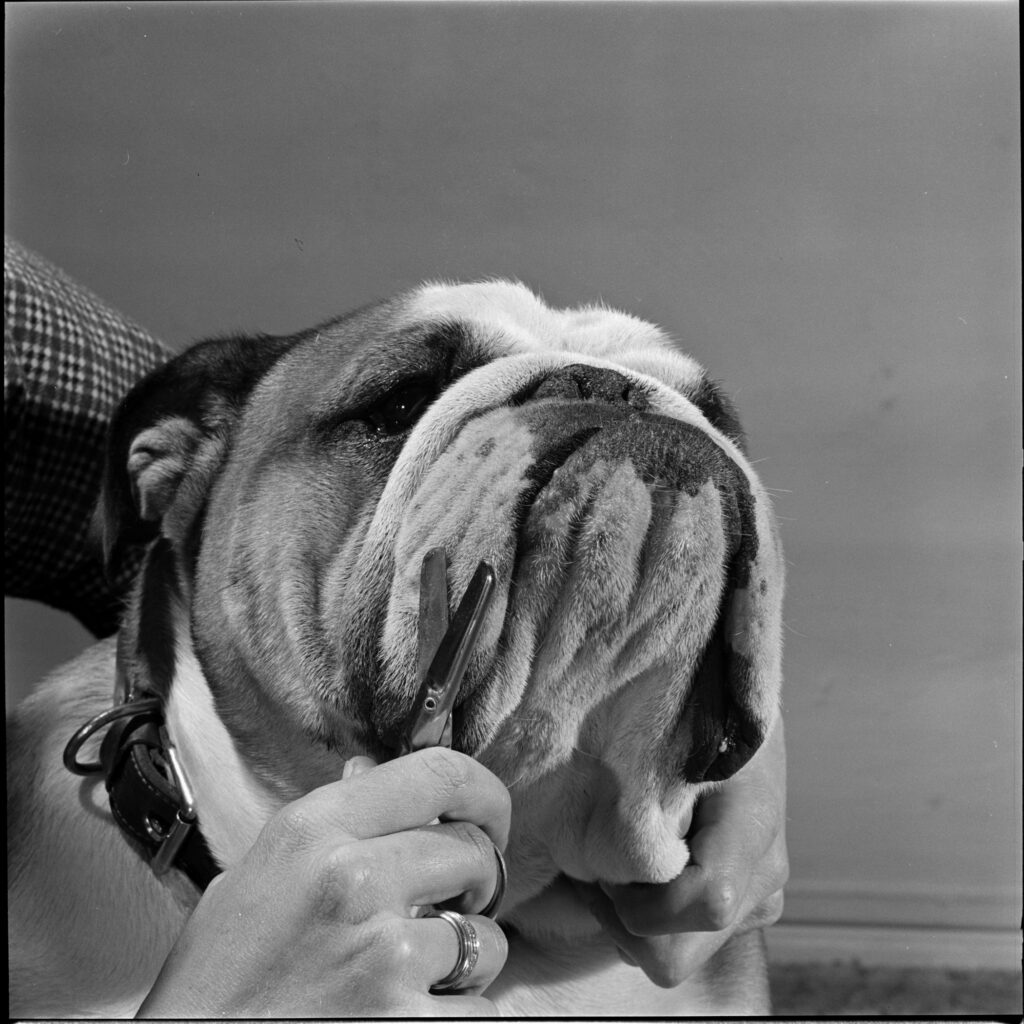
With his whiskers properly clipped and his nose vaselined to bring out the highlights, an English-born bulldog, Ch. Kippax Fearnought, won U.S. dogdom’s top laurels, the best in show award of the Westminster Kennel Club’s show in New York’s Madison Square Garden. First in his breed to win the award since 1913 and only the second to win the award since it was established in 1907, Fearnought was brought to the U.S. 14 months ago by Dr. J.A. Saylor of Long Beach, Calif., who bought him after seeing his picture in a magazine.

In the years since these photos were taken, Fearnought’s place in history has only become more precious, because since 1955 show no other bulldog has joined him on the Best in Show list.

But all talk of prizes aside, it’s these looks that are winning. If you can’t get enough of them, check out this Facebook group dedicated to Grumpy English Bulldogs.

Kippax Fearnought, here going through his grooming routine in 1955, is the last bulldog to win Best in Show at the Westminster competition.

George Silk/Life Picture Collection/Shutterstock

Kippax Fearnought, here going through his grooming routine in 1955, is the last bulldog to win Best in Show at the Westminster competition.

George Silk/Life Picture Collection/Shutterstock

Kippax Fearnought, here going through his grooming routine in 1955, is the last bulldog to win Best in Show at the Westminster competition.

George Silk/Life Picture Collection/Shutterstock

Kippax Fearnought, here going through his grooming routine in 1955, is the last bulldog to win Best in Show at the Westminster competition.

George Silk/Life Picture Collection/Shutterstock

Kippax Fearnought, here going through his grooming routine in 1955, is the last bulldog to win Best in Show at the Westminster competition.

George Silk/Life Picture Collection/Shutterstock

Kippax Fearnought, here going through his grooming routine in 1955, is the last bulldog to win Best in Show at the Westminster competition.

George Silk/Life Picture Collection/Shutterstock

Kippax Fearnought, here going through his grooming routine in 1955, is the last bulldog to win Best in Show at the Westminster competition.

George Silk/Life Picture Collection/Shutterstock

Kippax Fearnought, here going through his grooming routine in 1955, is the last bulldog to win Best in Show at the Westminster competition.

George Silk/Life Picture Collection/Shutterstock

Kippax Fearnought, here going through his grooming routine in 1955, is the last bulldog to win Best in Show at the Westminster competition.

George Silk/Life Picture Collection/Shutterstock

The post The Look of a Westminster Champion appeared first on LIFE.