Why does being single at Christmas feel so lonely? Our Sex and relationships editor investigates… “It’ll be lonely this Christmas” crooned the voice being piped…
The post Single at Christmas: why so lonely? appeared first on The Daily Struggle.

Why does being single at Christmas feel so lonely? Our Sex and relationships editor investigates… “It’ll be lonely this Christmas” crooned the voice being piped…
The post Single at Christmas: why so lonely? appeared first on The Daily Struggle.

‘Tis the season to get cuffed. Or, if you’re like me and think Cuffing Season sounds a little bit too much like gross police-themed bedroom…
The post Cuffing season: do I really fancy them or is it just cold outside? appeared first on The Daily Struggle.

Most people think that sex life is simple. Sure, the act itself is simple enough, but the term sex life implies a lot of different…
The post What Is The Best Way To Bring Sex Toys To Your Bedroom appeared first on The Daily Struggle.

Camping with kids isn’t for the faint hearted! Especially if you’ve got a mix of ages and the weather is less than ideal. But over…
The post Essential things to pack for a family camping trip with kids appeared first on The Daily Struggle.
The story of Lady Wonder began in 1925, when her owner, Mrs. Claudia Fonda of Richmond, Va., noticed that the horse she had purchased when it was two weeks old—then just called Lady— would come when Fonda was merely thinking of calling her. Fonda wondered if the horse could read her mind, she told LIFE. By the time Lady was two years old the horse had been taught to spell out words by using blocks with letters on them. When Lady correctly predicted the winner of the Dempsey-Tunney boxing match, the fame of what Fonda billed as “The Mind-Reading Horse” began to spread.
Lady Wonder’s first appearance in LIFE came in 1940, when the magazine, as part of a larger story on ESP, related the history of the horse but also reported that it had lost its extra-sensory special powers. The horse could still perform simple mathematics, though, and was at that point merely being billed as “The Educated Horse,” with claims of clairvoyance left by the wayside. Still, the story noted that its ESP expert believed the horse once posessed special powers.
Then in 1952 Lady Wonder returned to the spotlight when she seemingly offered insight to a tragic case involving a missing boy. Here’s how LIFE described her contribution in its issue of Dec. 22, 1952:
A friend of the district attorney of Norfolk County, Mass., went to see her, on a hunch, to ask her for news of a little boy who had been missing for months. She answered, “Pittsford Water Wheel.” A police captain figured out that this was a psychic misprint for “Field and Wilde Water Pit,” an abandoned quarry. Sure enough, that is where the boy’s body was found.
The incident brought national attention to Lady Wonder, and among those who made the pilgrimage to her Virginia farm was LIFE photographer Hank Walker. He captured the mare, then 27 years old, in action, dispensing advice and sports predictions. (For the specific college football picks from Lady Wonder mentioned in the article, the horse was right on only one out of three picks).
Not everyone was buying the act. In 1956 the magician Milbourne Christopher, who was a noted debunker of frauds, visited Lady Wonder’s stable and concluded that the horse was spelling out words under the subtle guidance of Fonda, who was directing Lady Wonder on which blocks to select.
Lady Wonder died the next year.
The 27-year-old Lady Wonder, a horse with purported clairvoyant abilities who communicated answers by flipping letters on a rack, was a popular tourist attraction in Richmond, Va,. 1952.
Hank Walker/Life Picture Collection/Shutterstock
The 27-year-old Lady Wonder, a horse with purported clairvoyant abilities who communicated answers by flipping letters on a rack, was a popular tourist attraction in Richmond, Va,. 1952.
Hank Walker/Life Picture Collection/Shutterstock
The 27-year-old Lady Wonder, a horse with purported clairvoyant abilities who communicated answers by flipping letters on a rack, was a popular tourist attraction in Richmond, Va,. 1952.
Hank Walker/Life Picture Collection/Shutterstock
“Lady Wonder,” a horse with the purported ability to see the future, came in from the pasture to answer questions for her customers, Richmond, Va., 1952.
Hank Walker/Life Picture Collection/Shutterstock
The 27-year-old Lady Wonder, a horse with purported clairvoyant abilities who communicated answers by flipping letters on a rack, was a popular tourist attraction in Richmond, Va,. 1952.
Hank Walker/Life Picture Collection/Shutterstock
Mrs. Julius Bokkon regularly visited Lady Wonder to solicit the opinion of the clairvoyant horse on matters in her life, Richmond, Va., 1952.
Hank Walker/Life Picture Collection/Shutterstock
Lady Wonder, the purported clairvoyant horse, gave a Massachusetts businessman direction on where to get a loan, spelling out “Heancock,” which was interpreted to mean the insurance company John Hancock, 1952.
Hank Walker/LIfe PIcture Collection/Shutterstock
The tricks of Lady Wonder included performing addition; here she had been asked what 7+6 equalled (she had already pulled up a “1” that is out of view to the left), Richmond, Va., 1952.
Hank Walker/Life Picture Collection/Shutterstock
Owner Claudia Fonda stood by as her clairvoyant talking horse tourist attraction, Lady Wonder, gave a Massachusetts businessman direction on where to get a loan, spelling out “Heancock,” which was interpreted to mean the insurance company John Hancock, 1952.
Hank Walker/Life Picture Collection/Shutterstock
The 27-year-old Lady Wonder, a horse with purported clairvoyant abilities who communicated answers by flipping letters on a rack, was a popular tourist attraction in Richmond, Va,. 1952.
Hank Walker/LIfe PIcture Collection/Shutterstock
Lady Wonder, a horse with supposed clairvoyant powers, attracted visits from tourists and well as regulars such as Mrs. Julius Bokkon, Richmond, Va., 1952. The levers around the horse were like keys in a giant typewriter that it used to communicate its messages.
Hank Walker/Life Picture Collection/Shutterstock
The post Meet Lady Wonder, the Psychic Horse Who Appeared Twice in LIFE appeared first on LIFE.

Dr Larisa Corda is a leading gynecologist and fertility expert shares her advice and answers to some of the most common fertility questions you may…
The post Fertility questions you may be too embarrassed to ask appeared first on The Daily Struggle.
In the 1940s the job of stewardess became increasingly glamorized as commercial airline travel became more and popular. That trend may have reached its peak—or nadir, depending on how you look at it—when the now-defunct National Airlines ran an ad featuring stewardesses and slogans like “I’m Cheryl. Fly Me.” Many women were not amused, and before too long the people who worked on airplanes were being referred to with the more professional and gender-neutral term “flight attendants.”
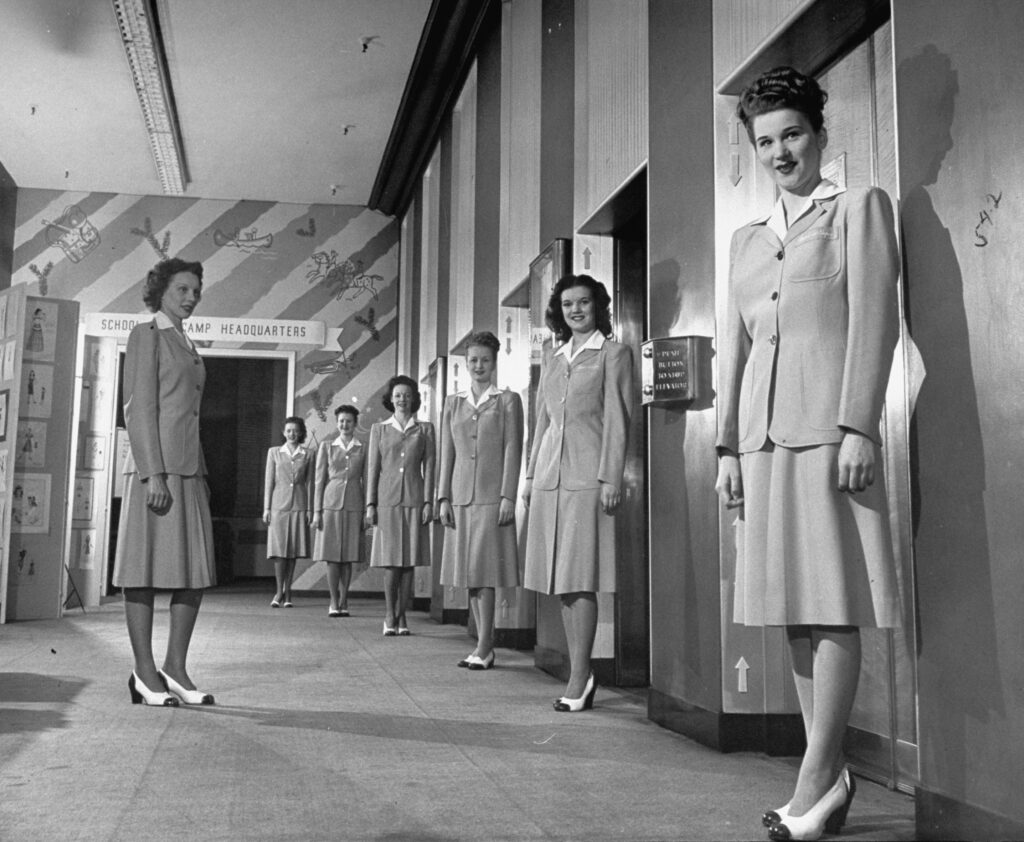
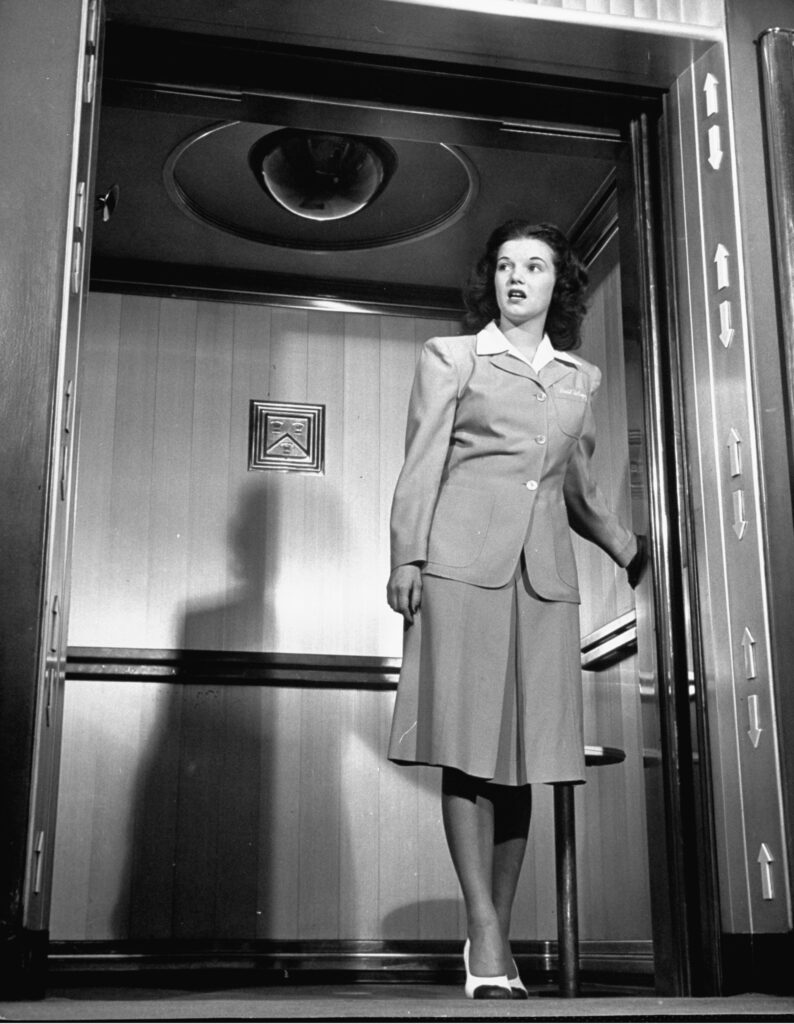
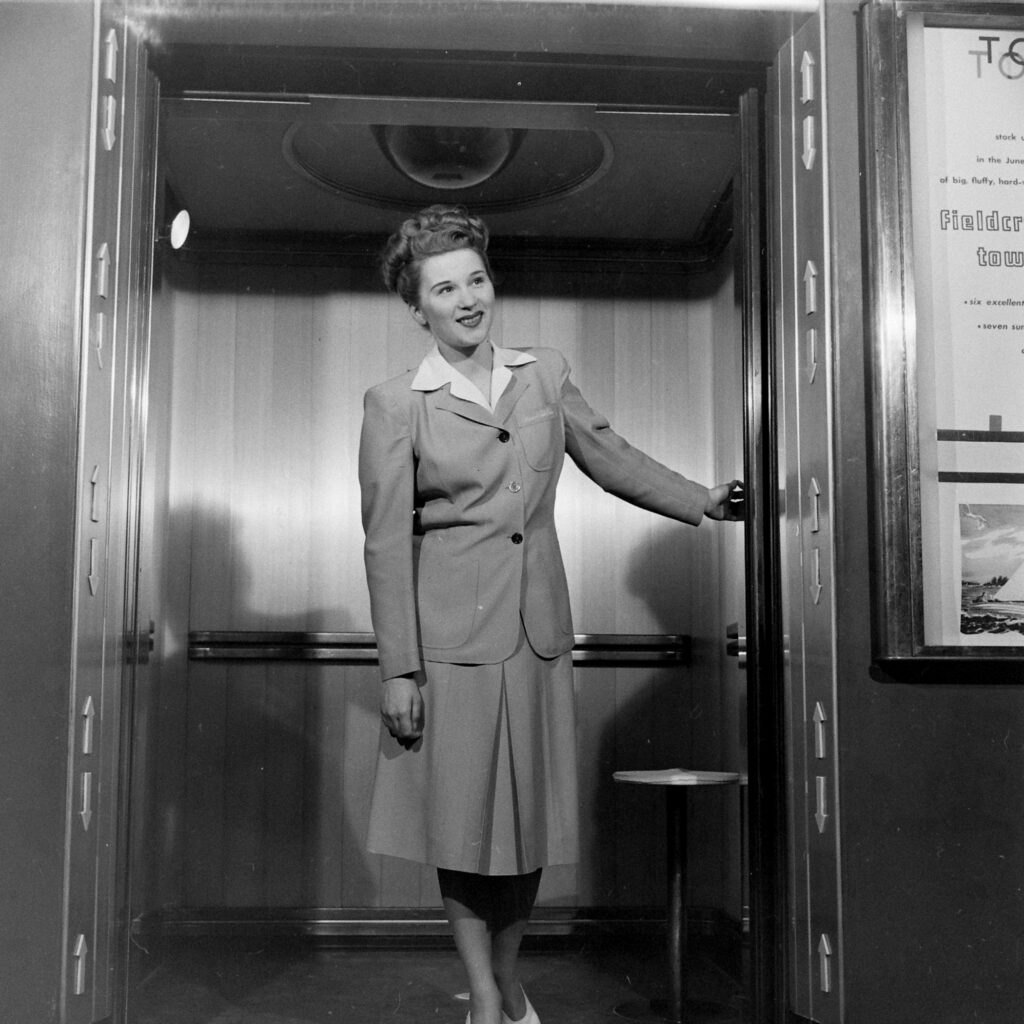
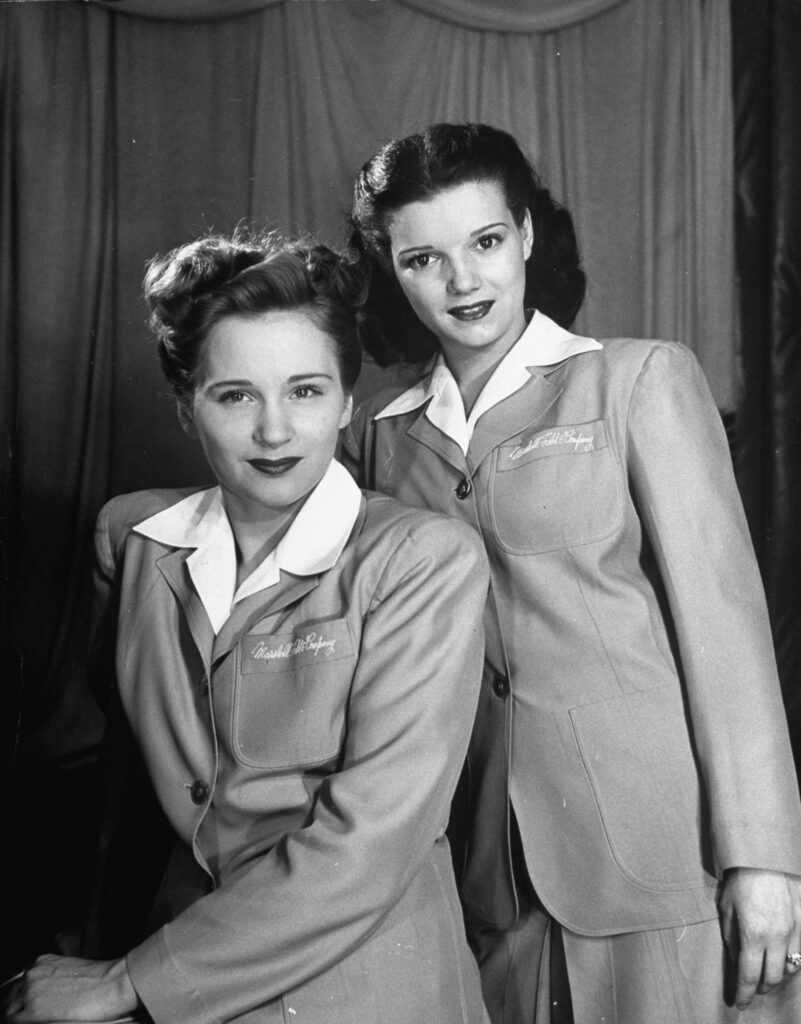
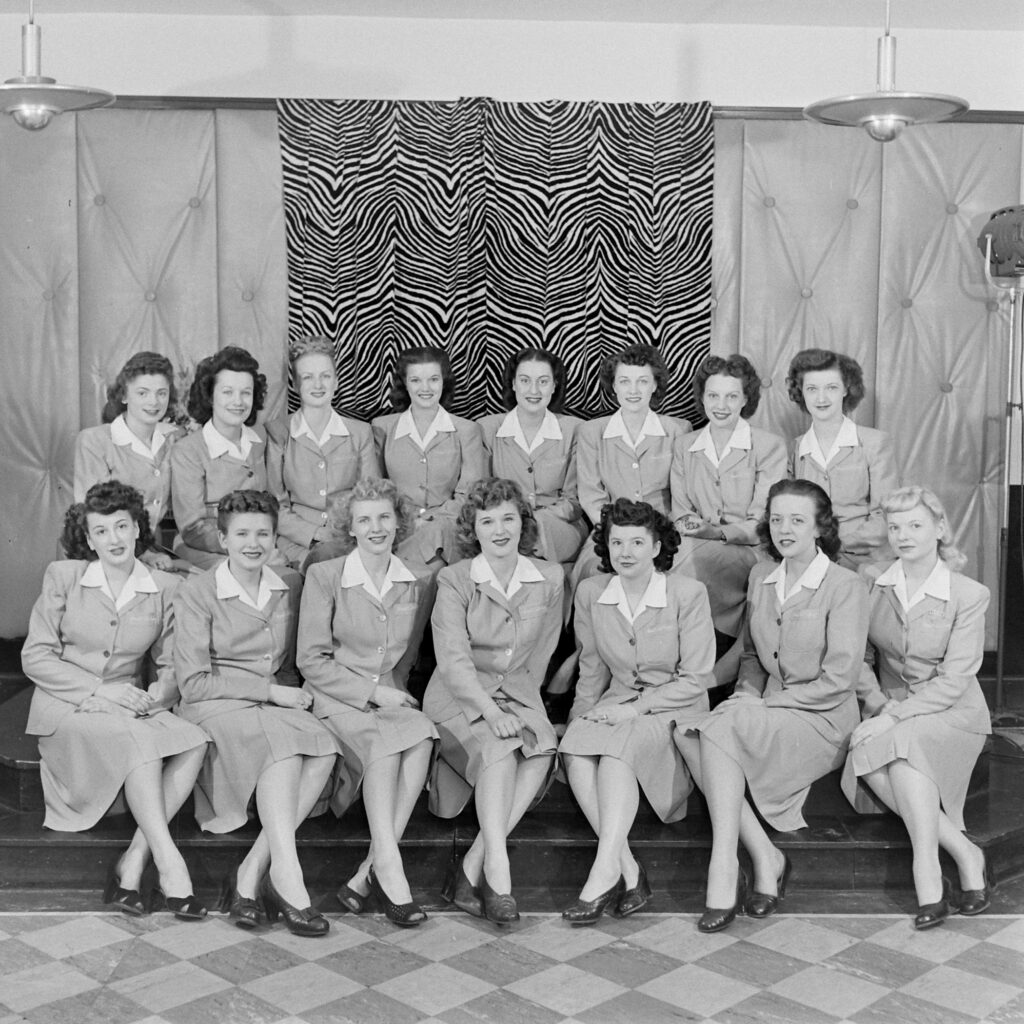
But it’s worth remembering that bygone mentality when considering a 1947 story that ran in LIFE magazine headlined “Store Pretties Up Its Elevator Girls.” The Chicago department store Marshall Field and Co. wanted to give its elevator operators the same kind of glamorous profile as the stewardesses of the time.
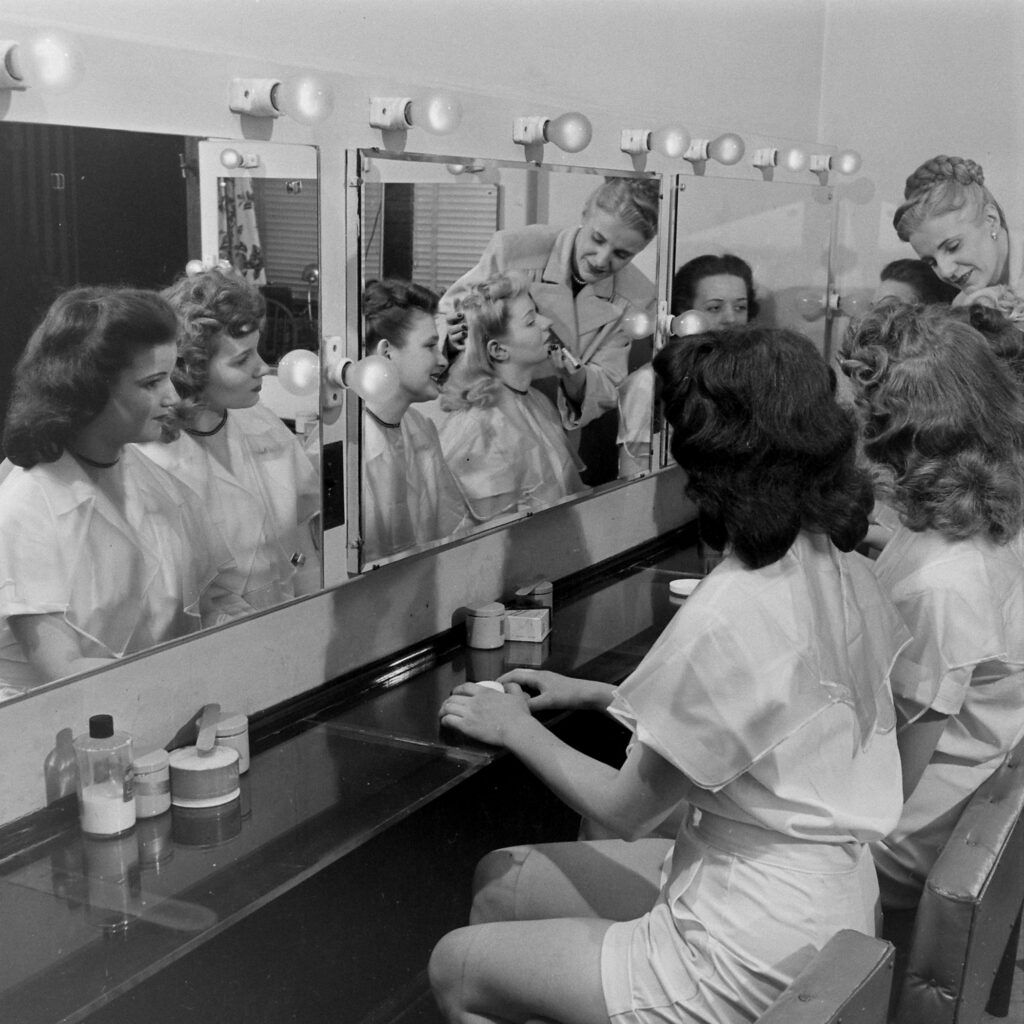
To achieve that goal, the store began to give its elevator operators special training, and it was about more than pressing buttons. Here’s how LIFE described it:
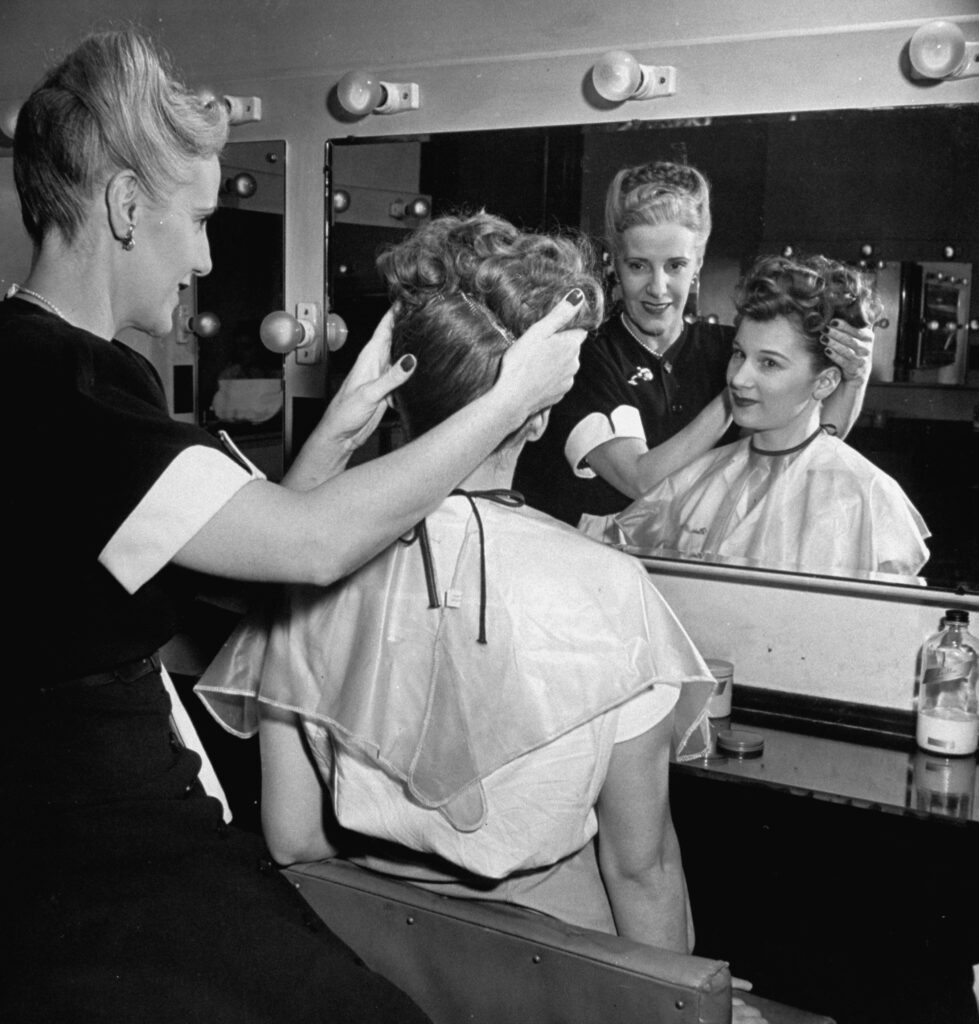
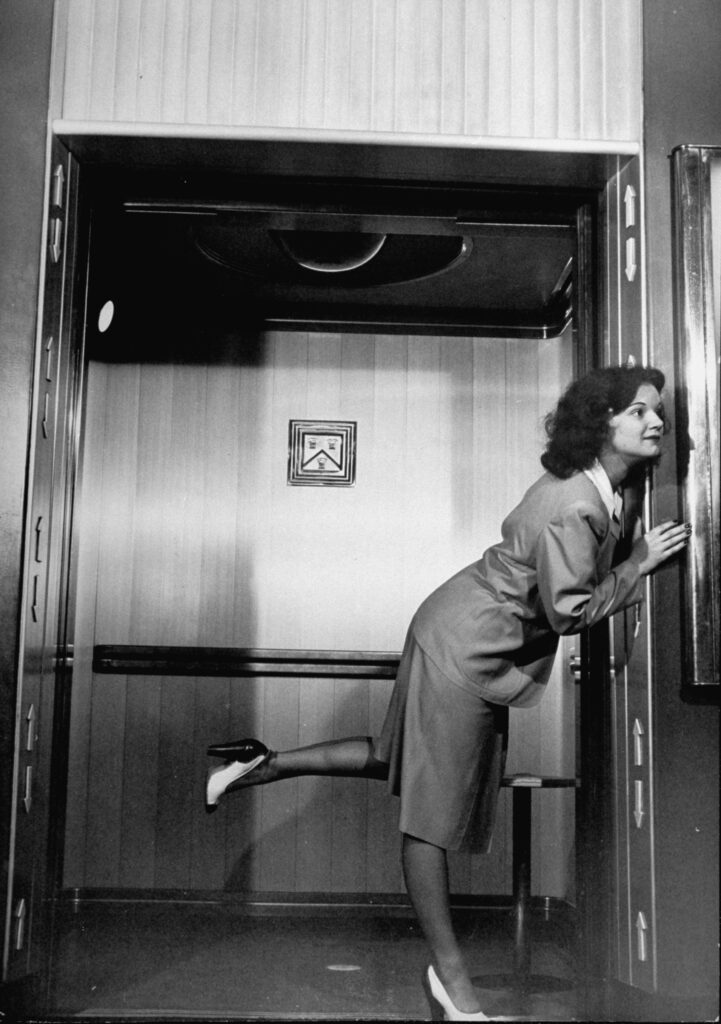
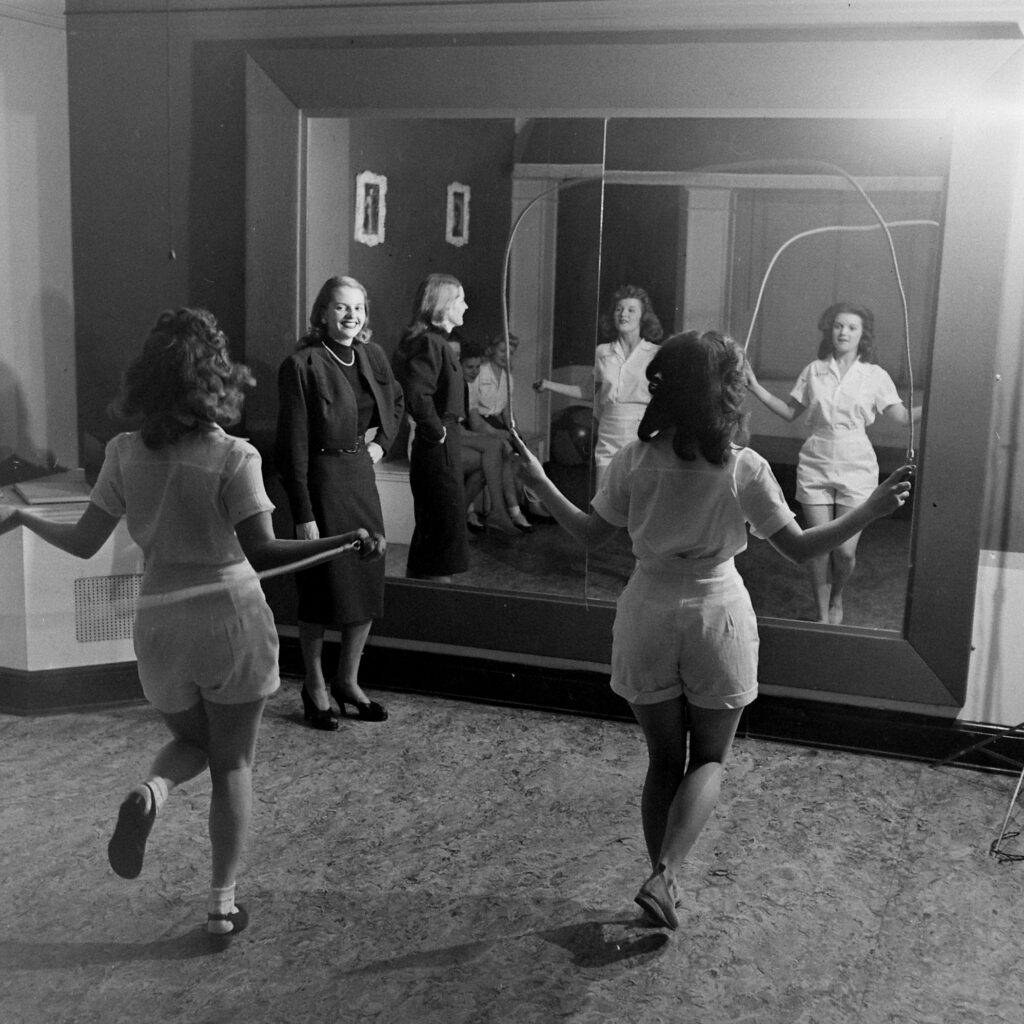
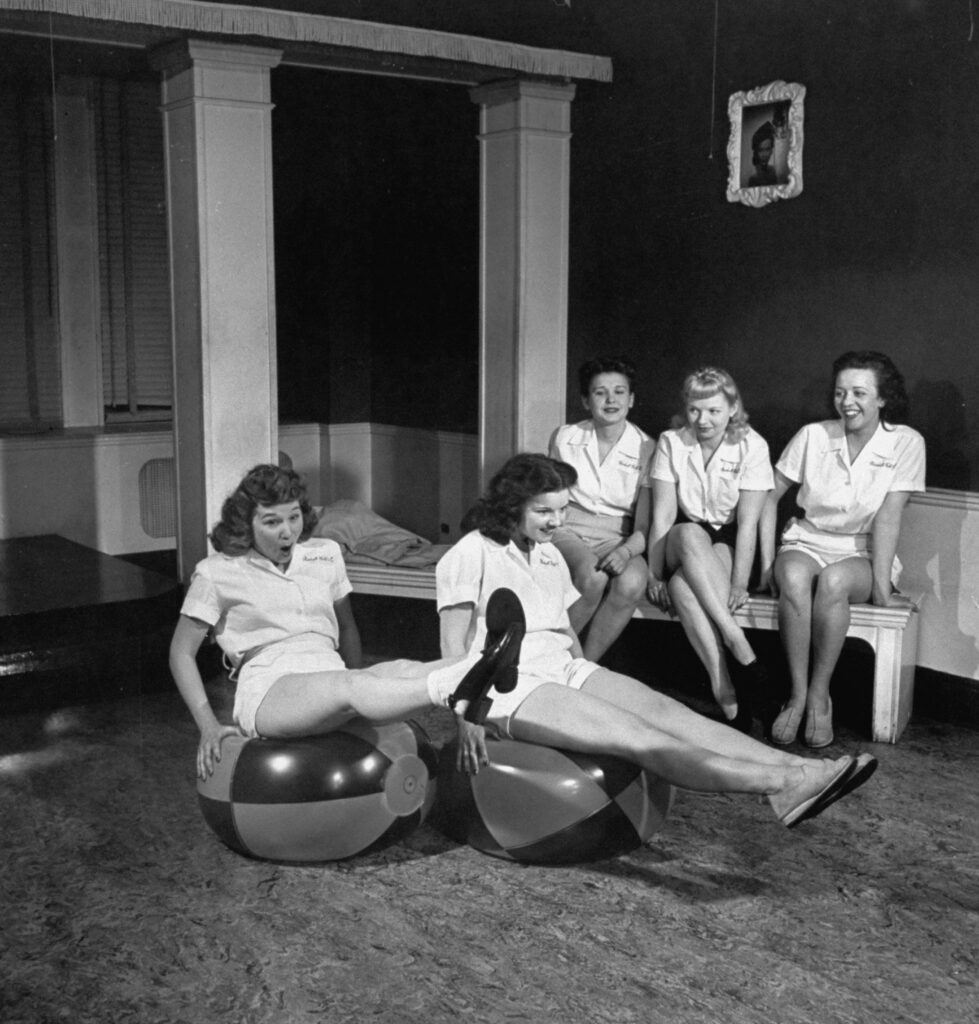
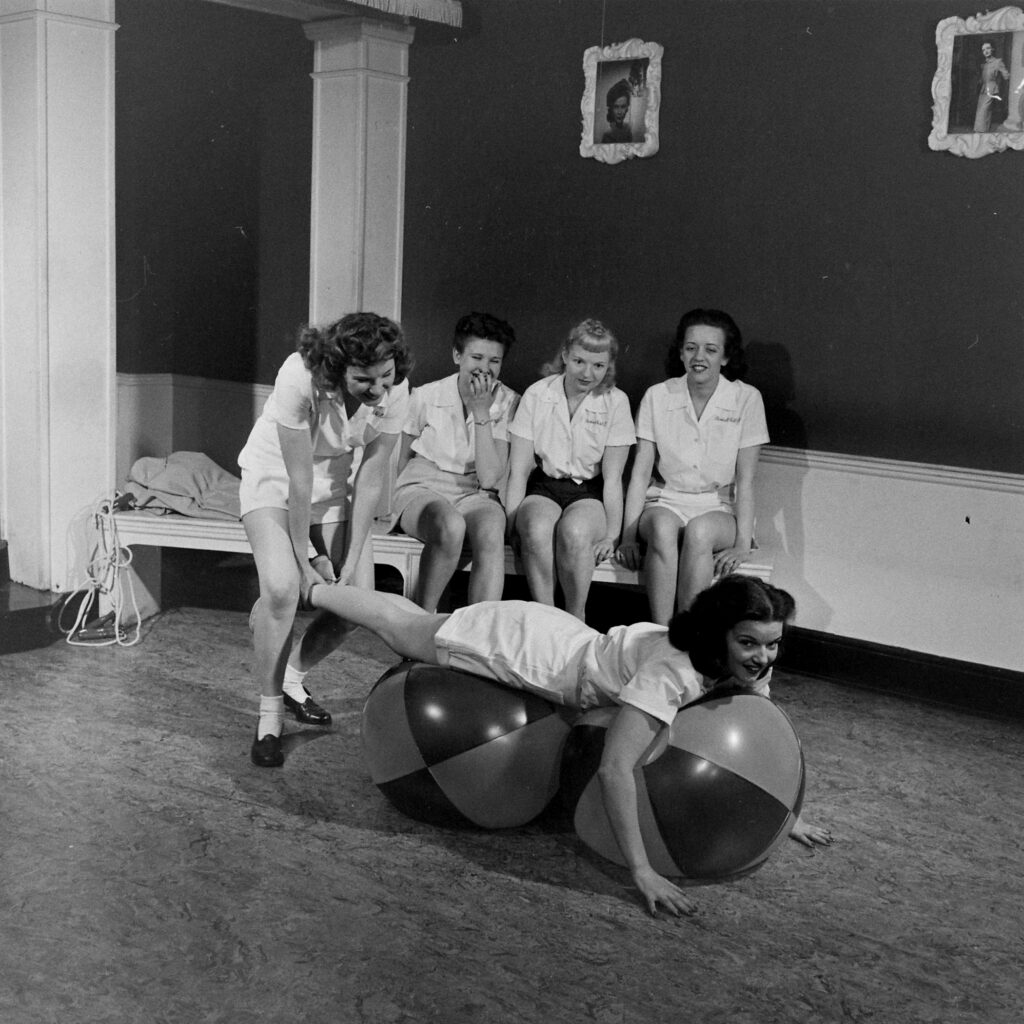
Twice a week a small group of operators leave their high-powered lifts and are sent to be kneaded, pummeled and painted in a flossy charm school in the Loop. During the eight-week course the girls not only learn where and how to take off unflattering bulges and how to blend a powder base into the hairline but also how to walk, sit and operate the elevator car decorously. They are also taught how to enunciate clearly merchandise items like “lingerie, bric-a-brac and budget millinery.”
LIFE photographer George Skadding was given a behind the scenes look at the training and the makeovers these operators received. His photo of women in their uniforms stationed outside elevator doors almost has the feel of a chorus line. The story noted that at least one former Marshall Field elevator operator had become a star of screen and stage—her name was Dorothy Lamour.
But for the vast majority who didn’t, their humble role attained, for a time, a touch of glamour. And the efforts did not go unnoticed.
In January 2025 on a Facebook page dedicated to Marshall Field & Co., one poster talked about her fond memories of being an operator. A fan responded “You were one of the most wonderful, talented, perfect women in the world. Oh, how, when I was 5, I wanted to grow up to be one of you . . . and I still wish it had been possible.”
In the 1960s the store replaced its elevators with more modern models and operators were phased out.
The elevator girls at the Marshall Fields department store in Chicago, 1947.
George Skadding/Life Picture Collection/Shutterstock
Elevator girls at the Marshall Fields department store in Chicago went through a training program which included lessons in makeup and other beauty skills, 1947.
George Skadding/Life Picture Collection/Shutterstock
Elevator girls at the Marshall Fields department store in Chicago went through a training and beauty program; here operator Ann Vratarich received a new hairdo, 1947.
George Skadding/Life Picture Collection/Shutterstock
Elevator girls at the Marshall Fields department store in Chicago went through a training program; this photo demonstrated the wrong postures (too breezy, bent, leg in air) for an operator, 1947.
George Skadding/Life Picture Collection/Shutterstock
Elevator girls at the Marshall Fields department store in Chicago went through a training program, with this photo demonstrating the proper posture (straight and modest), 1947.
George Skadding/Life Picture Collection/Shutterstock
The elevator girls at the Marshall Fields department store in Chicago worked on “reducing exercises” as part of their training program, 1947.
George Skadding/Life Picture Collection/Shutterstock
The elevator girls at the Marshall Fields department store in Chicago worked on “reducing exercises” as part of their training program, 1947.
George Skadding/Life Picture Collection/Shutterstock
The elevator girls at the Marshall Fields department store in Chicago worked on “reducing exercises” as part of their training program, 1947.
George Skadding/Life Picture Collection/Shutterstock
Elevator girls at the Marshall Fields department store in Chicago, 1947.
George Skadding/Life Picture Collection/Shutterstock
An elevator operator from the Marshall Fields department store in Chicago, 1947.
George Skadding/Life Picture Collection/Shutterstock
Elevator girls at the Marshall Fields department store in Chicago went through a special training program, 1947.
George Skadding/Life Picture Collection/Shutterstock
Elevator girls from Marshall Fields department store in Chicago showed off their look after attending charm school, 1947.
George Skadding/Life Picture Collection/Shutterstock
Elevator operators at the Marshall Fields department store, 1947
George Skadding/Life Picture Collection/Shutterstock
The post Pushing the Right Buttons: Inside Charm School for Elevator Girls appeared first on LIFE.

As a new parent, the idea of leaving the house with a tiny human can feel like orchestrating a small military operation. The mere thought…
The post Tips For Your First Outing with a Newborn (From a New First Time Mum) appeared first on The Daily Struggle.
In 1948 LIFE ran a big story with an alarming headline: “The American Family in Trouble.”
Even though the story ran nearly eighty years ago, the threats that it named might sound familiar today. Divorce rates were rising. Movies and advertising were creating unrealistic expectations and thus sowing discontent. But the real issue, the story claimed, was that family members didn’t do things together anymore. The ideal family situation that LIFE presented in this story was the family farm, in which all members contributed to a common enterprise. The modern reality, on the other hand, was a family in which its members went off in different directions.
This passage gives a sense of the story’s tone:
Today the forces of social change have broken down the family. It is now tiny—a husband, a wife, and one or two children. Its members do little more than eat or sleep together. They buy everything—food, laundry, entertainment—and produce nothing but the money for these purchases. The outward pull of movies, automobiles, bridge club, and Elks constantly threatens what little family unity remains.
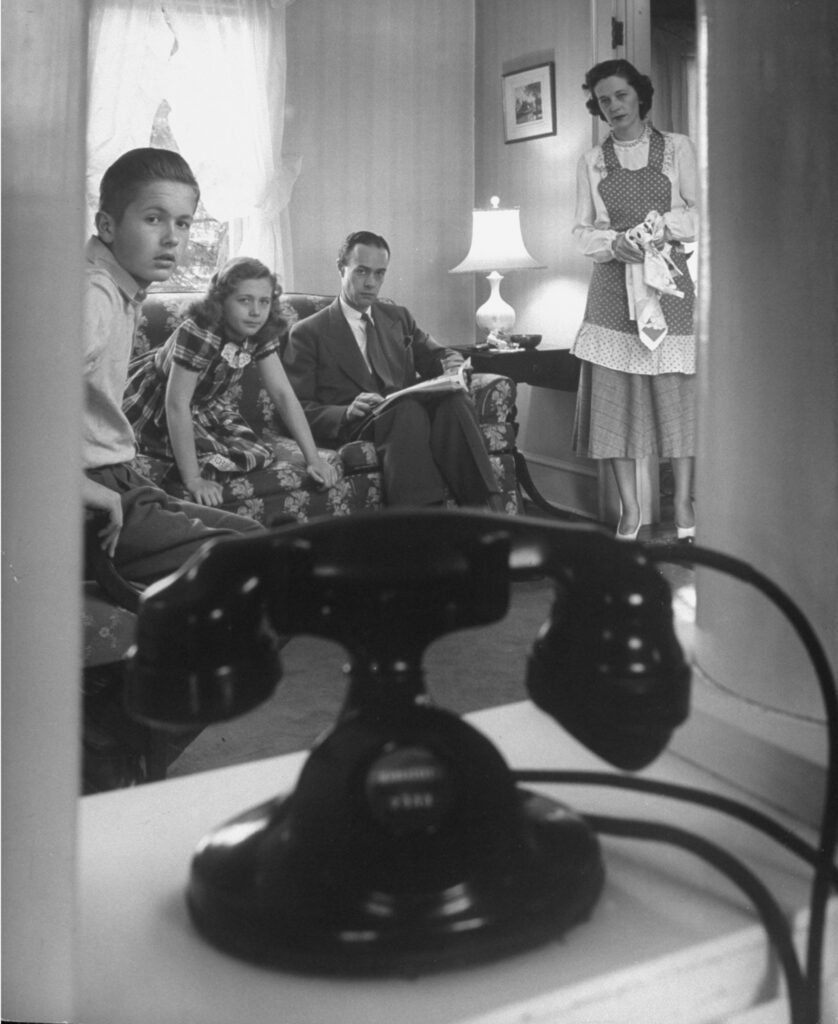
The fact that the societal ills listed above include bridge playing and the Elks is a hint to what is remarkable about this story when viewed from the vantage point of the 21st century, which is that most of the “troubles” seem pleasantly quaint. One photo shows family members in their living room looking at the looming threat that was their rotary phone, waiting to hear if one of them might be called away.
In fact the photos look like less like a comparison of good vs. bad and more like a tribute to family life in its many forms.
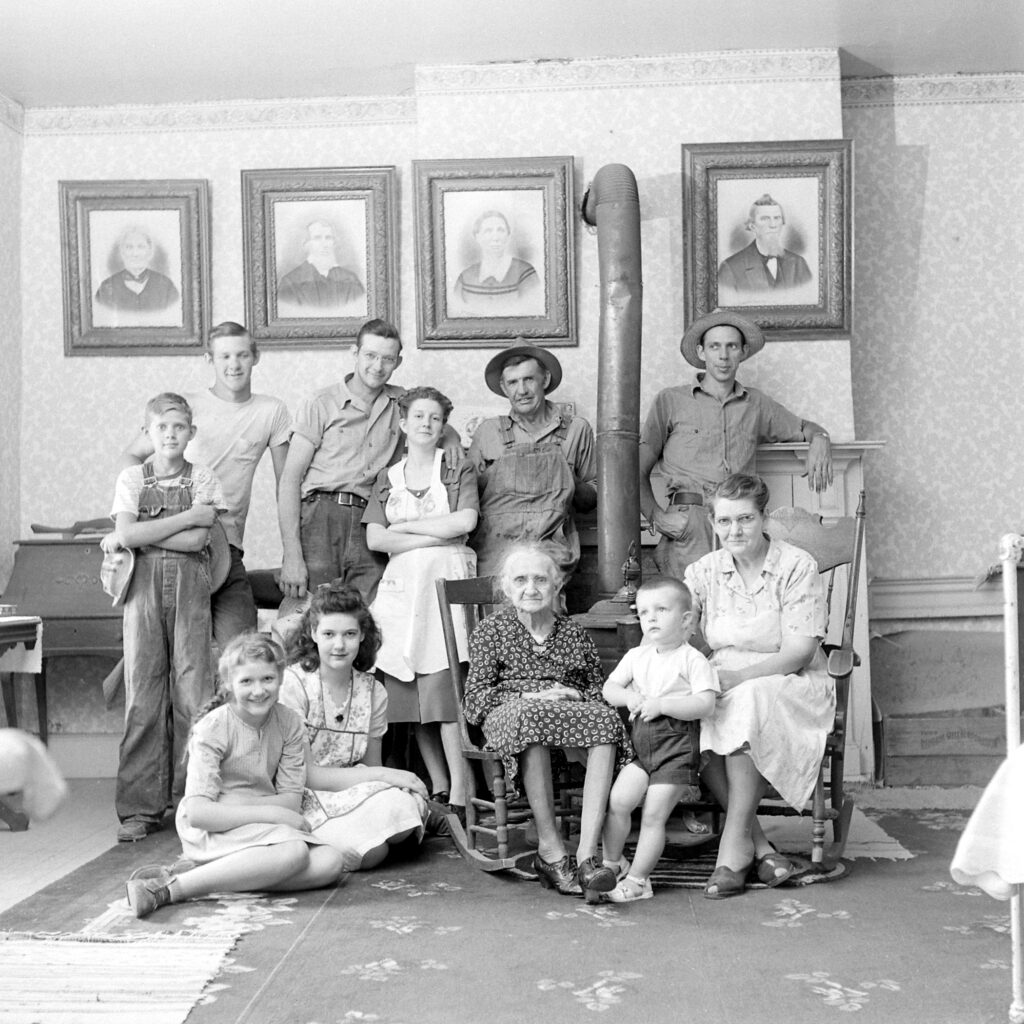
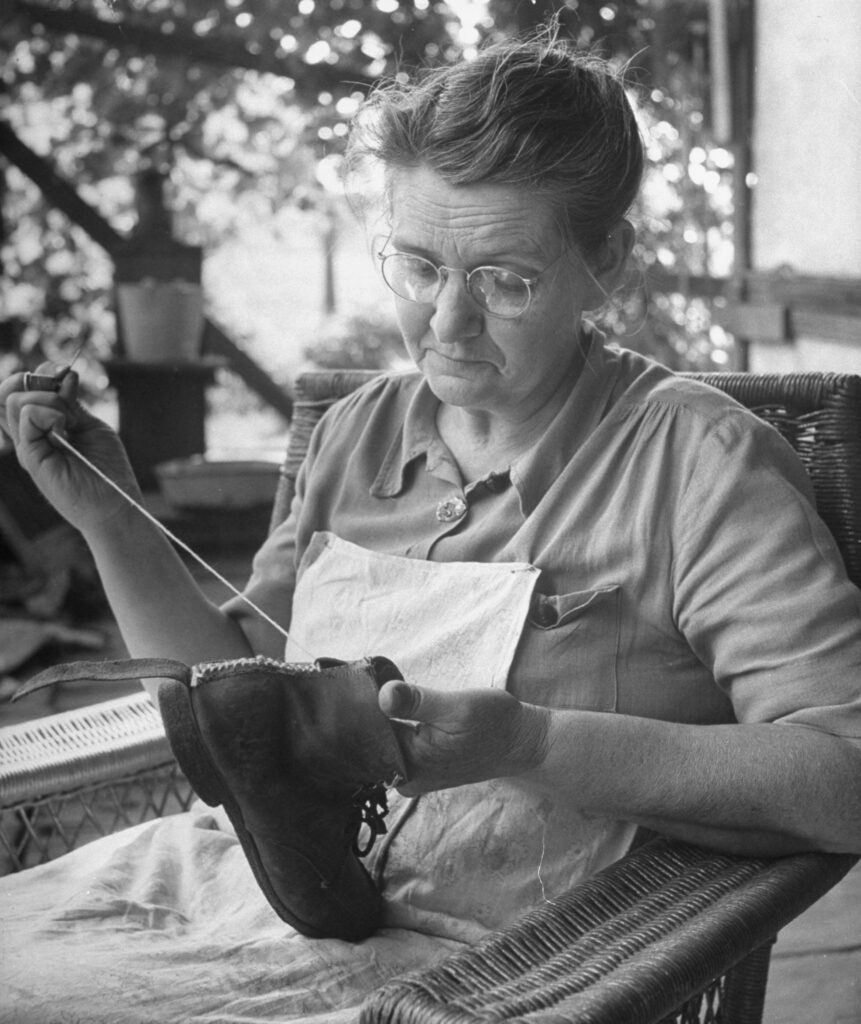
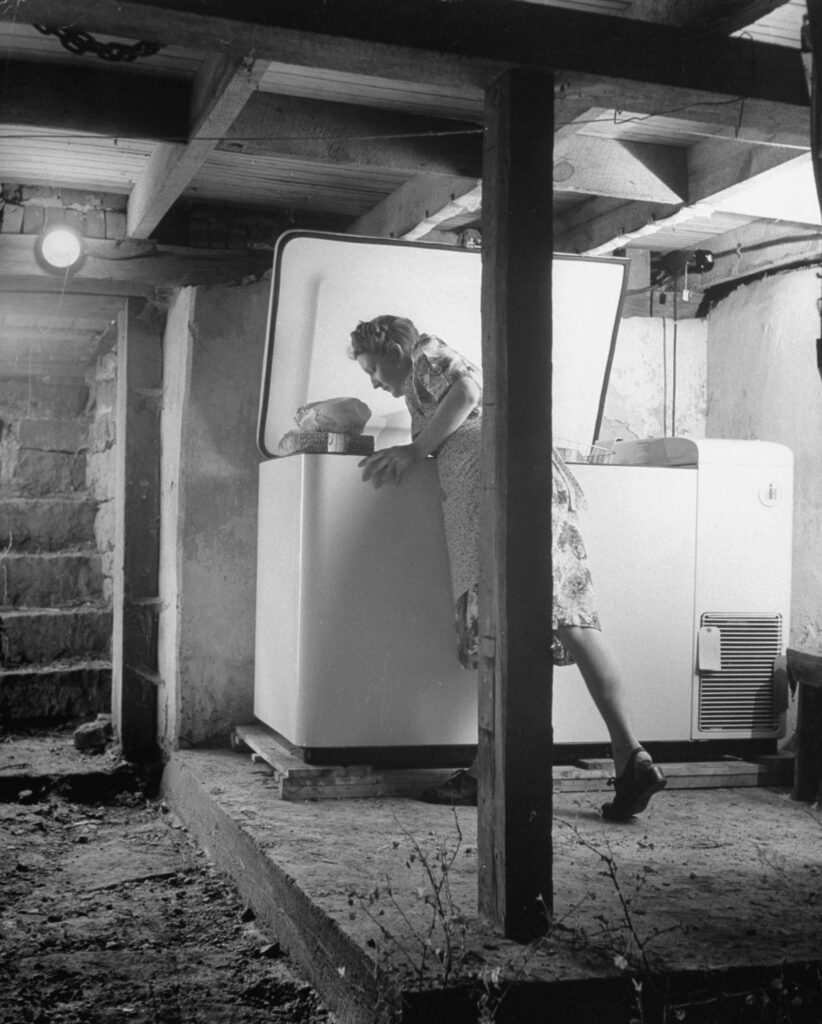
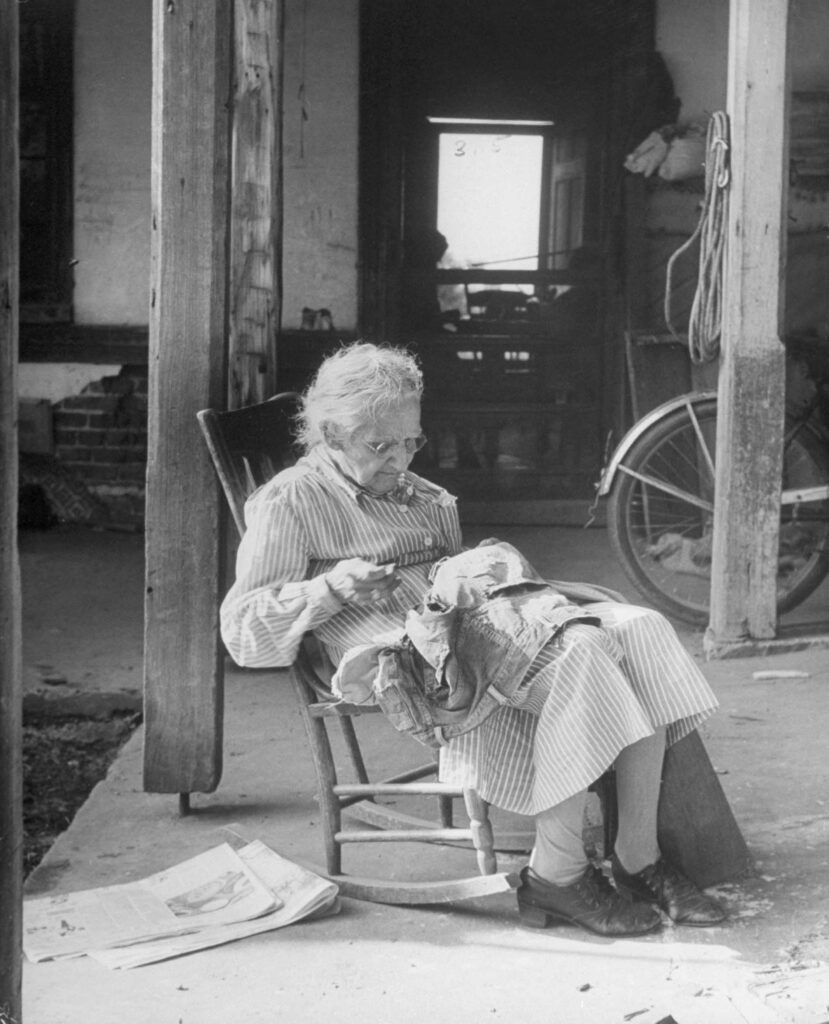
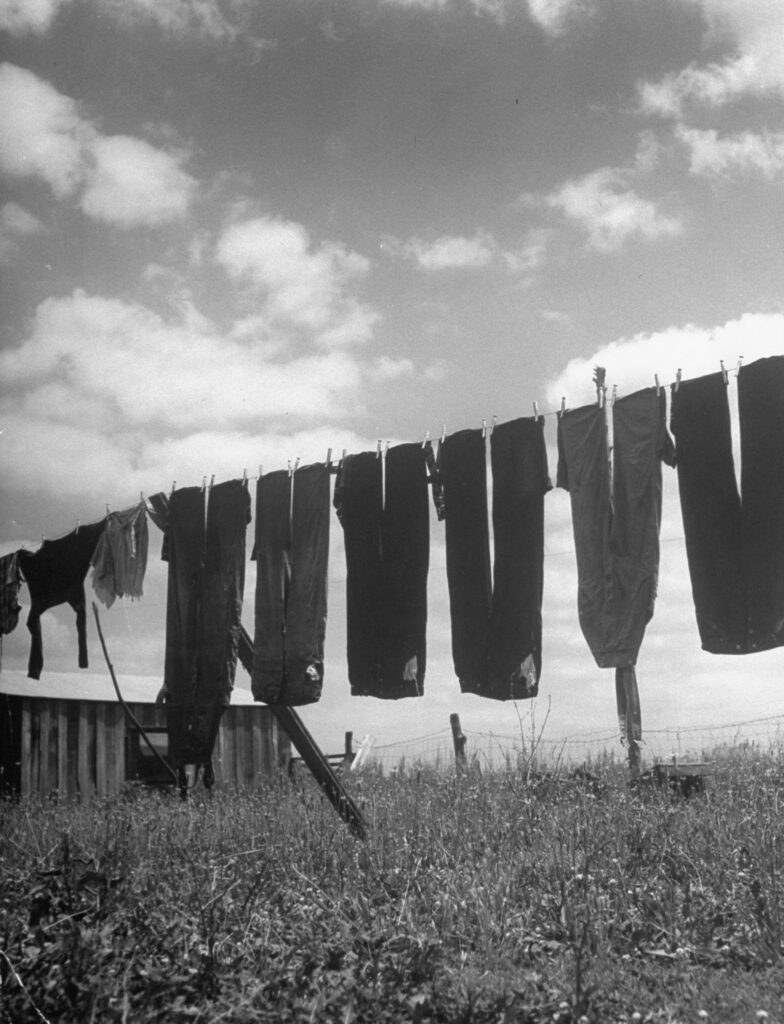
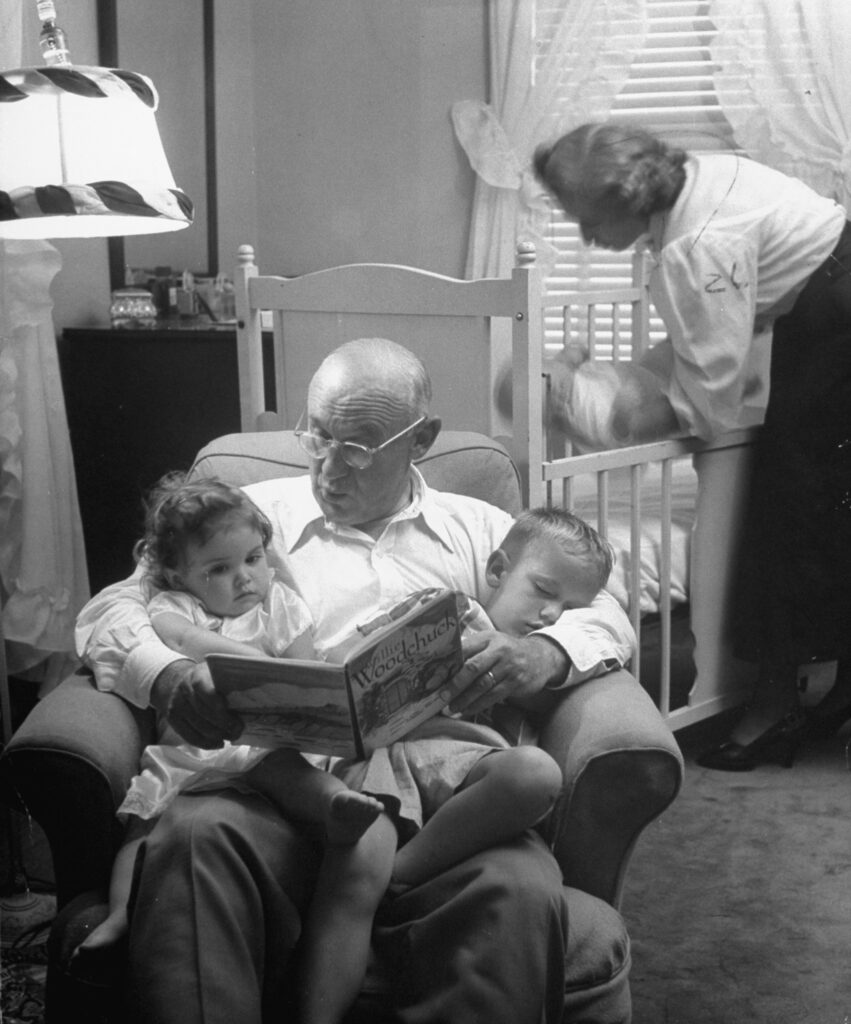
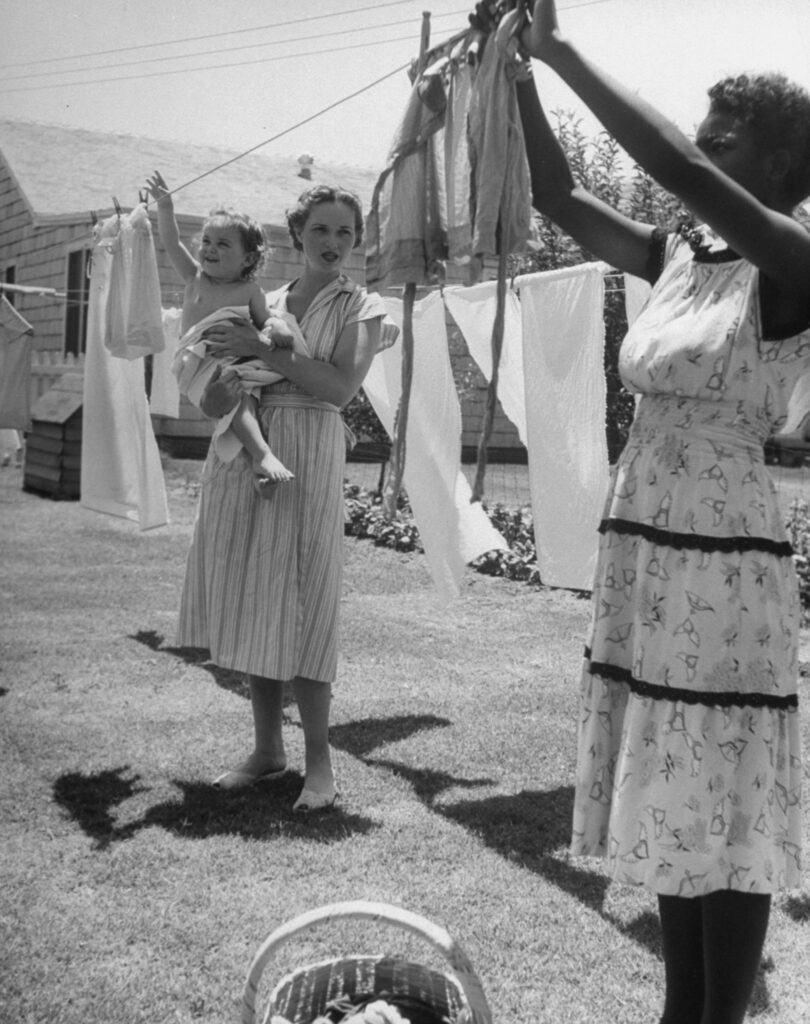
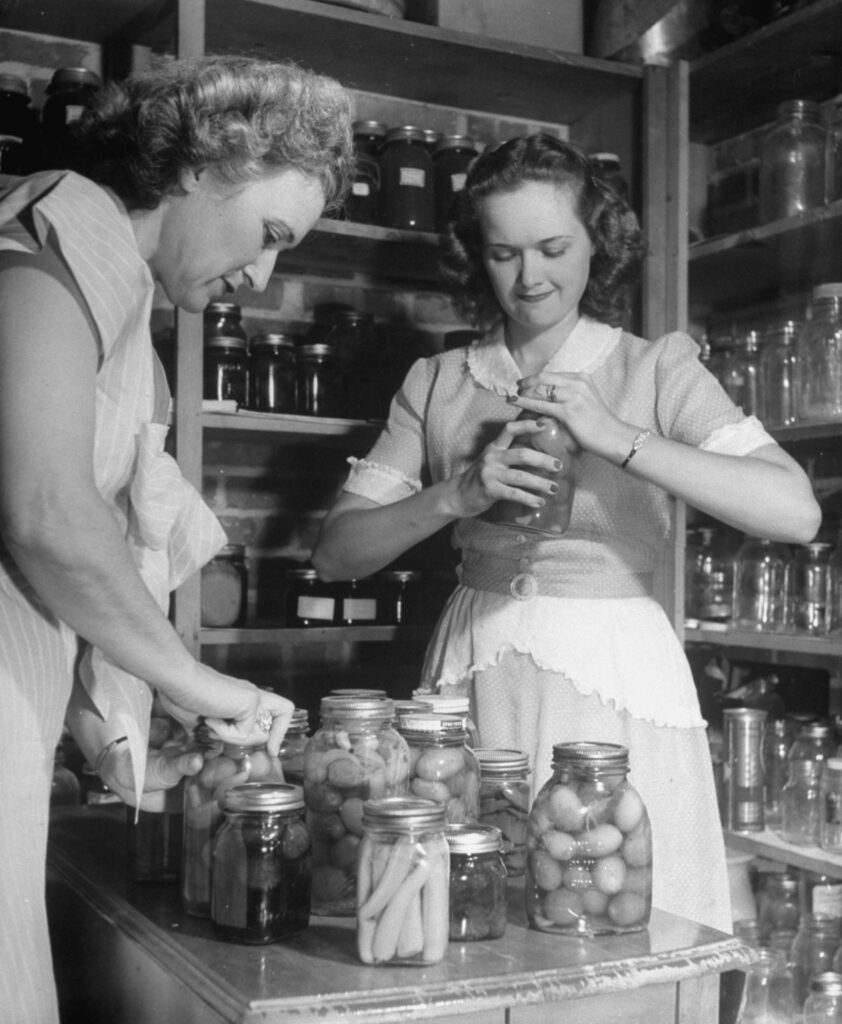
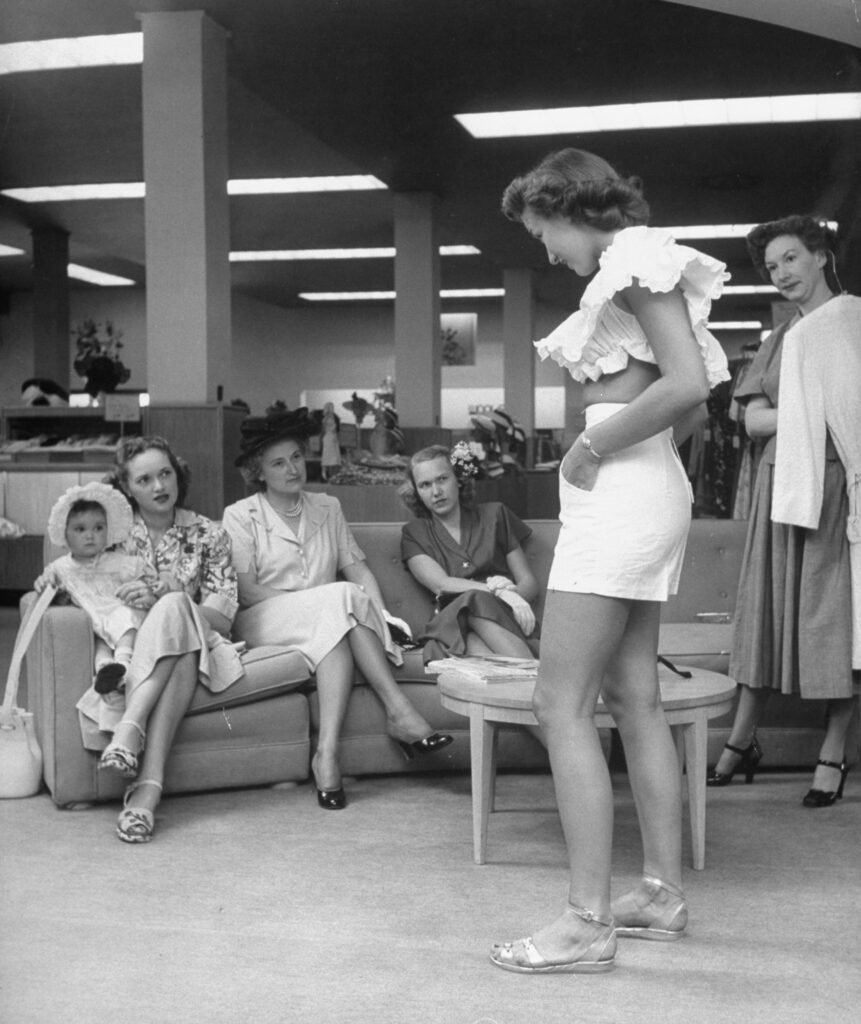
For the story LIFE staff photographer Nina Leen followed three different types of families. The first was a farming family in the Ozarks in which everyone was pitching in together, right down to granny mending jeans on the front porch. The second family, based in Enid, Oklahoma, represented a “domestic” middle ground—the grandparents were only four blocks away and could still come over to read stories to their grandchildren, and when the teenage daughter went shopping for a bathing suit, all the women in the family came along to give their opinion.
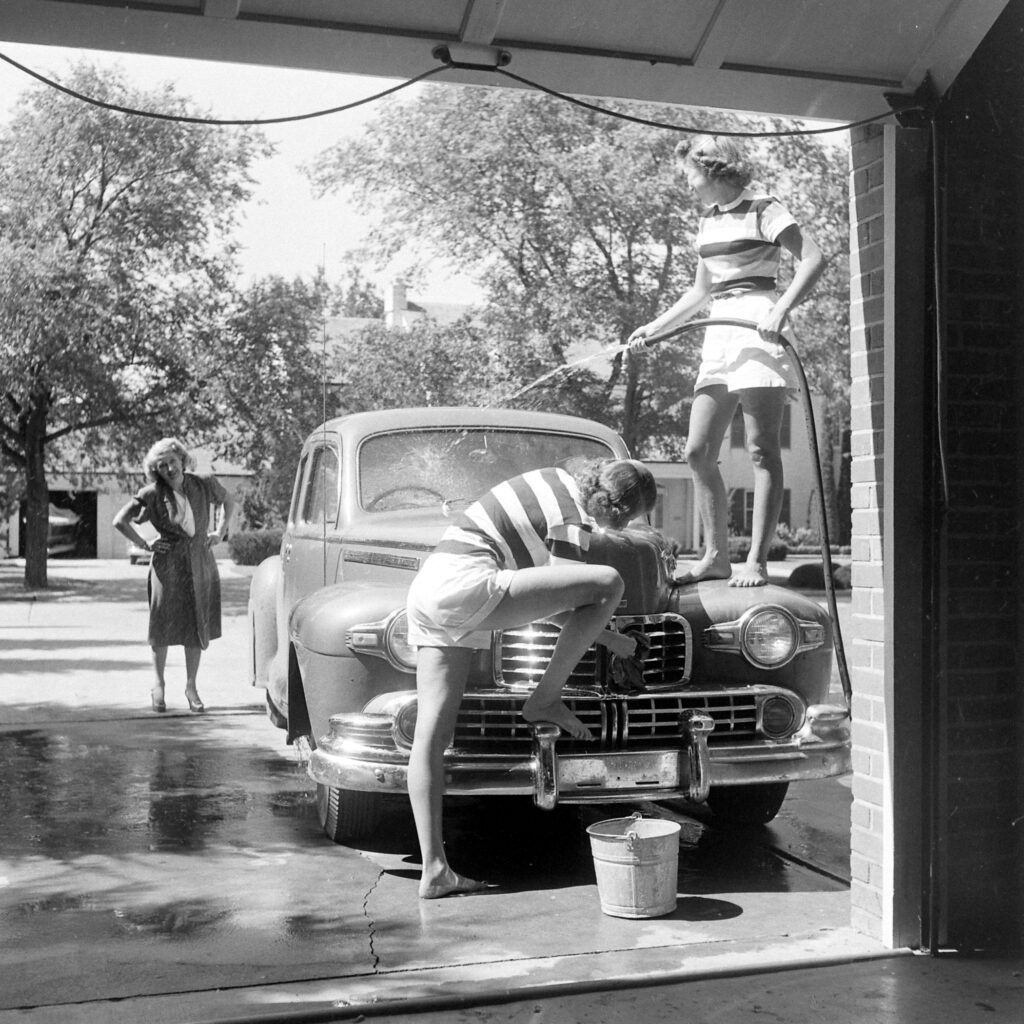
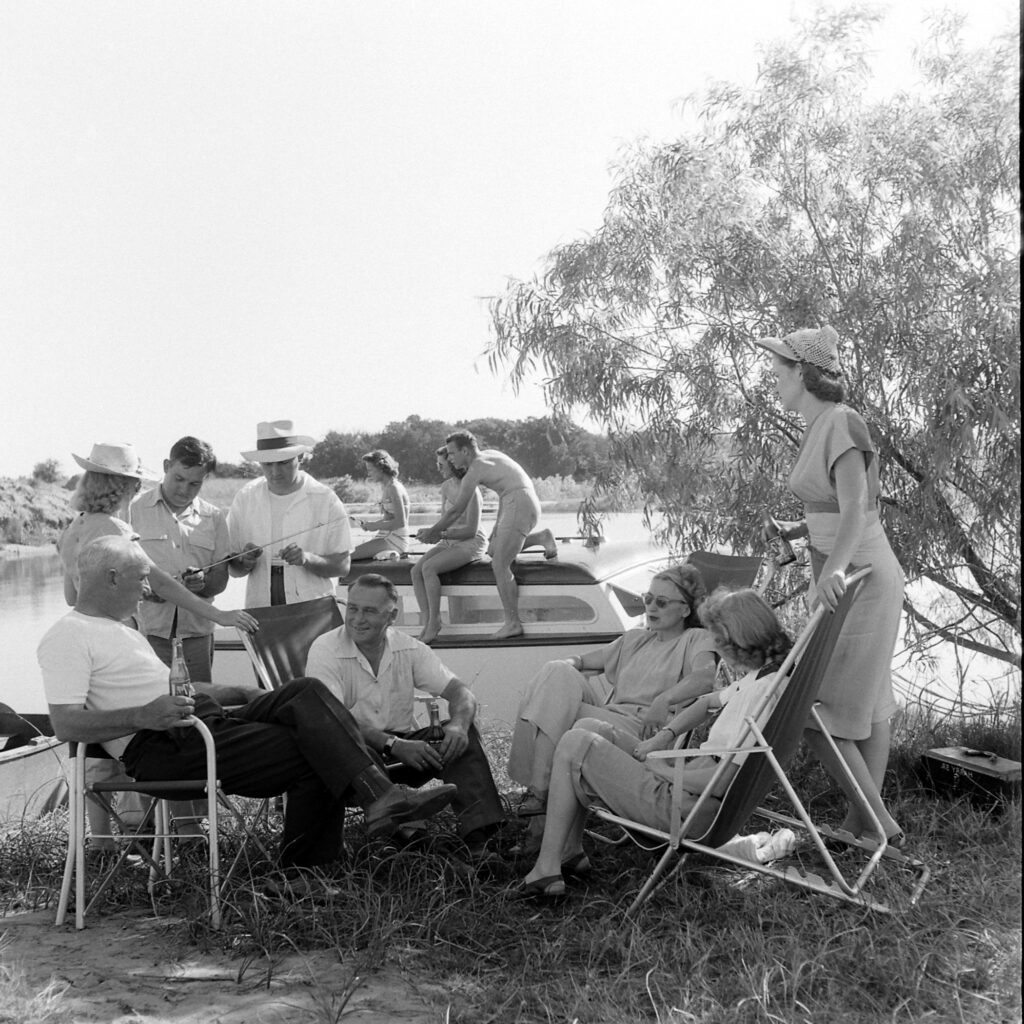
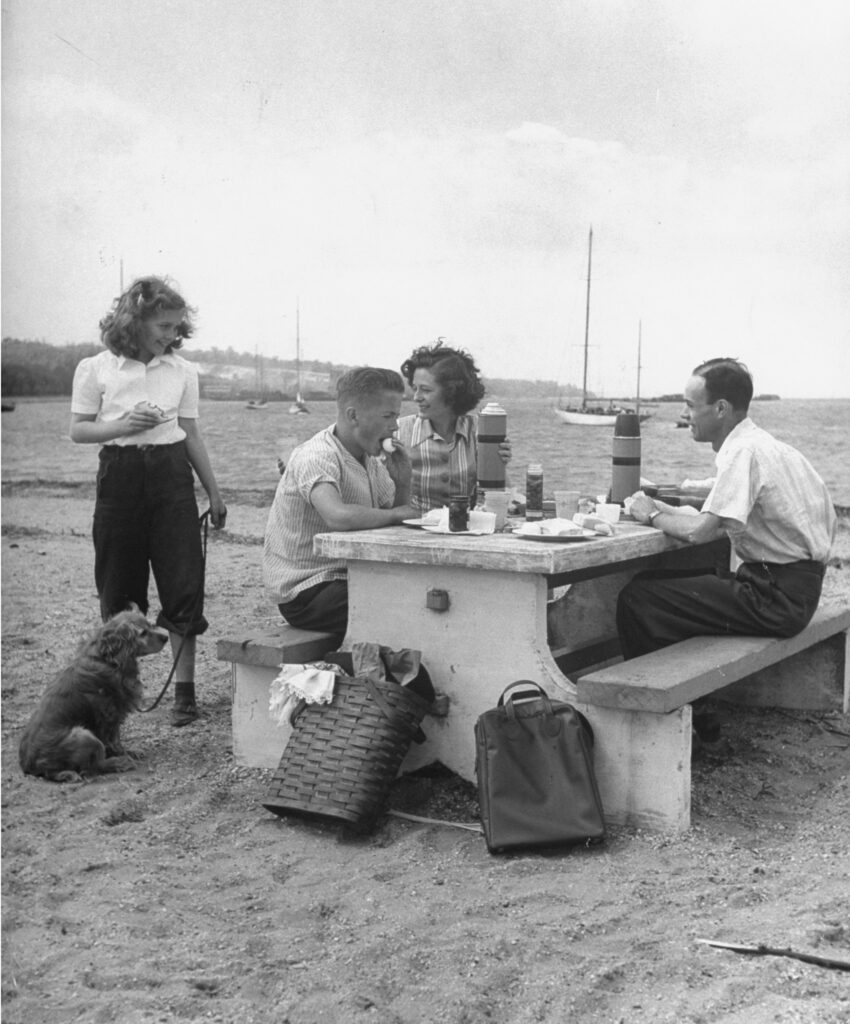
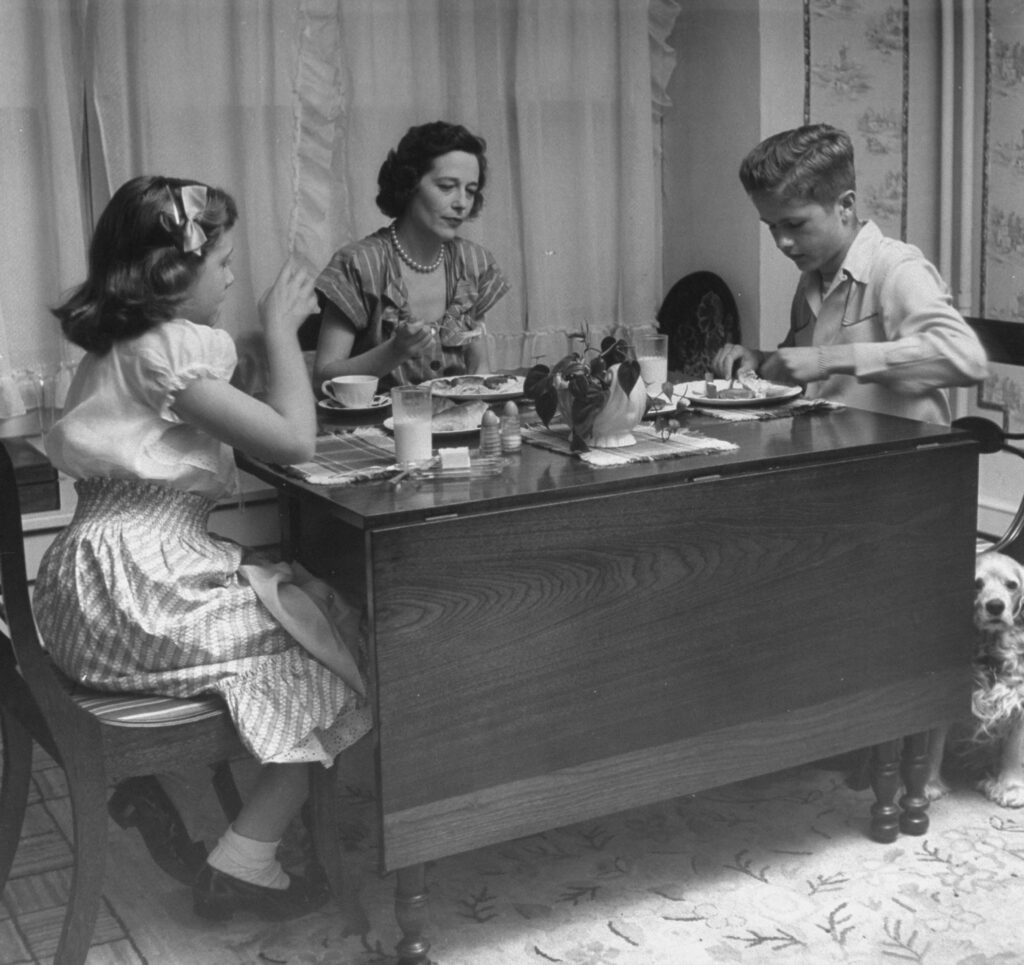
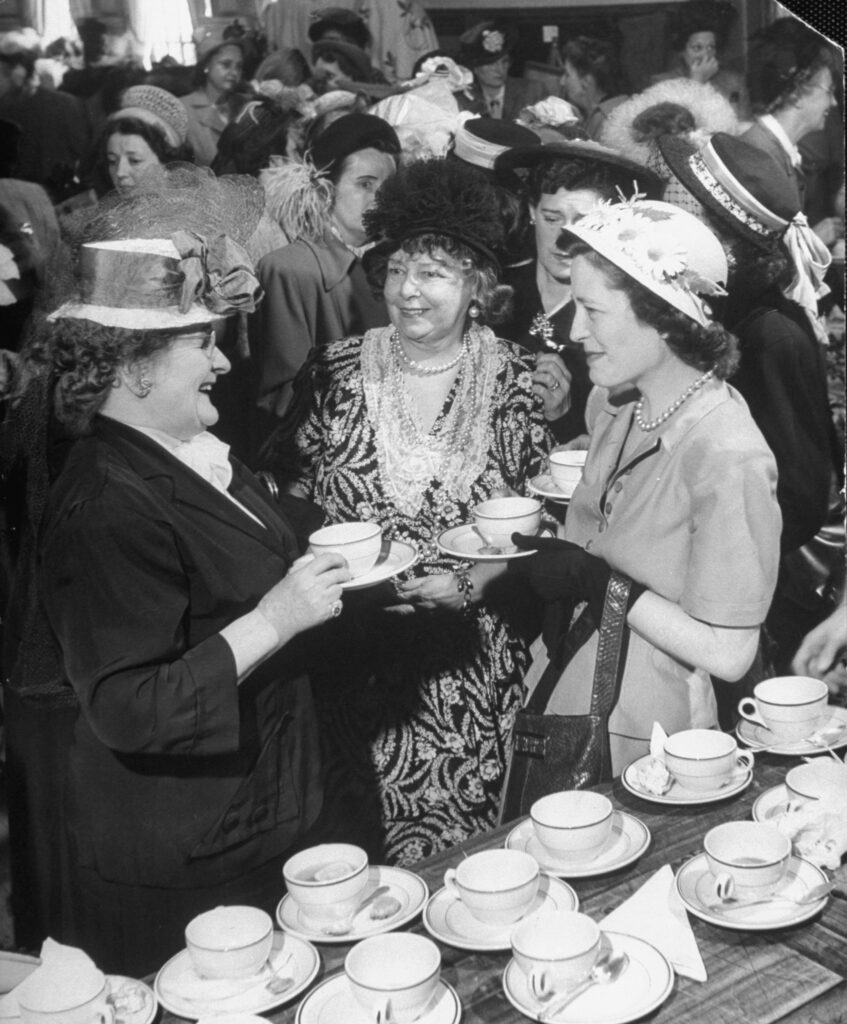
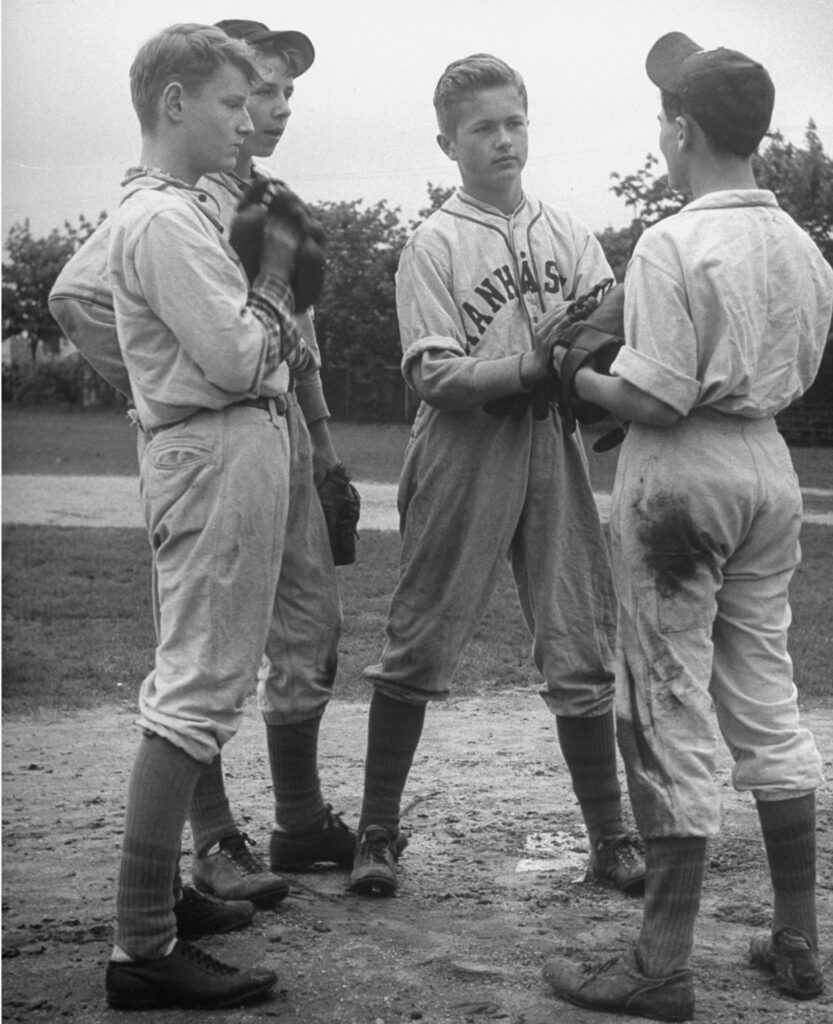
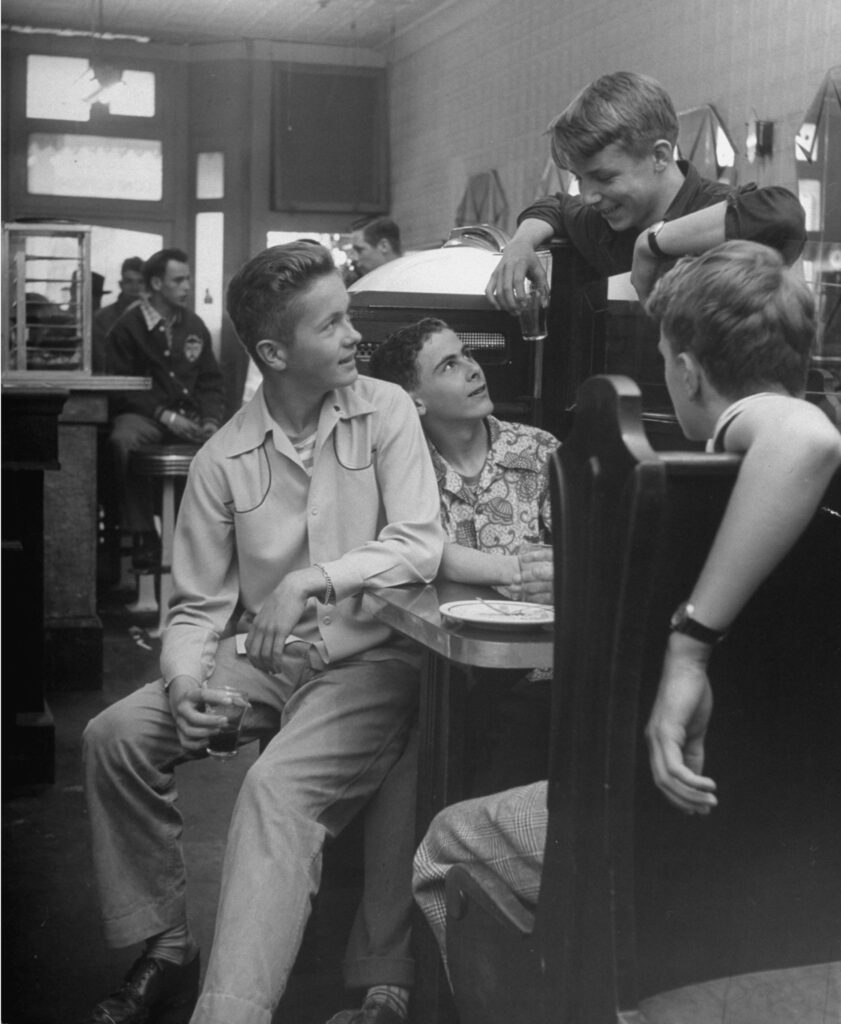
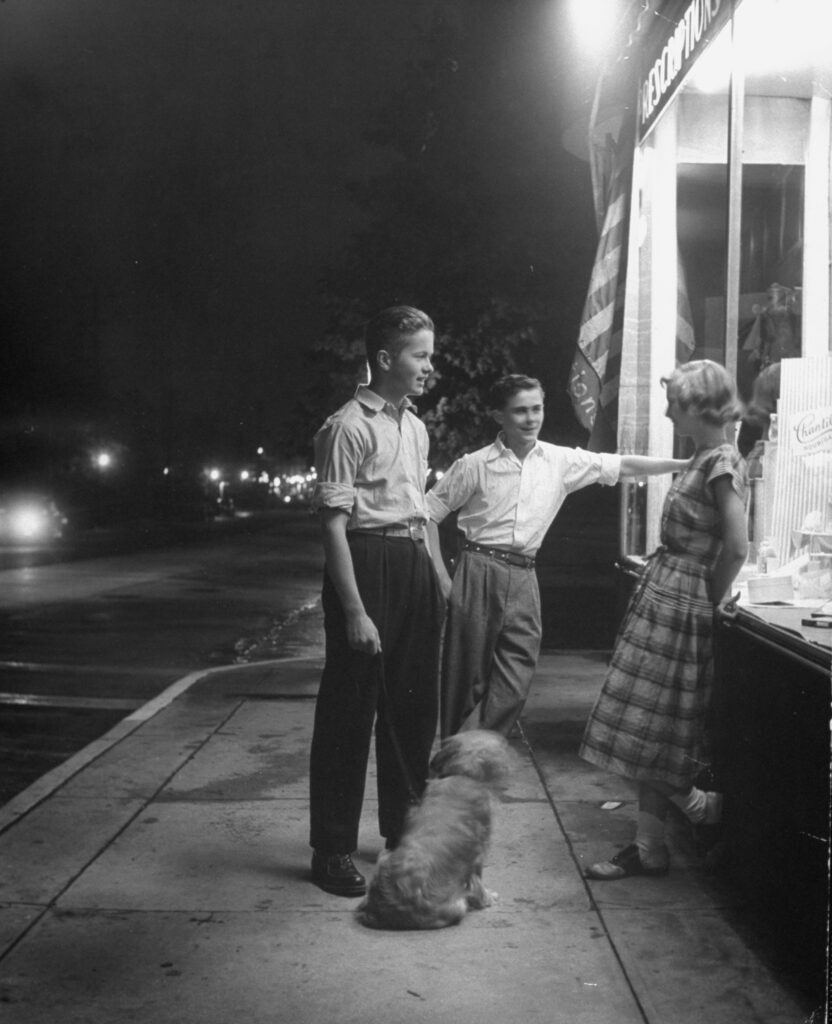
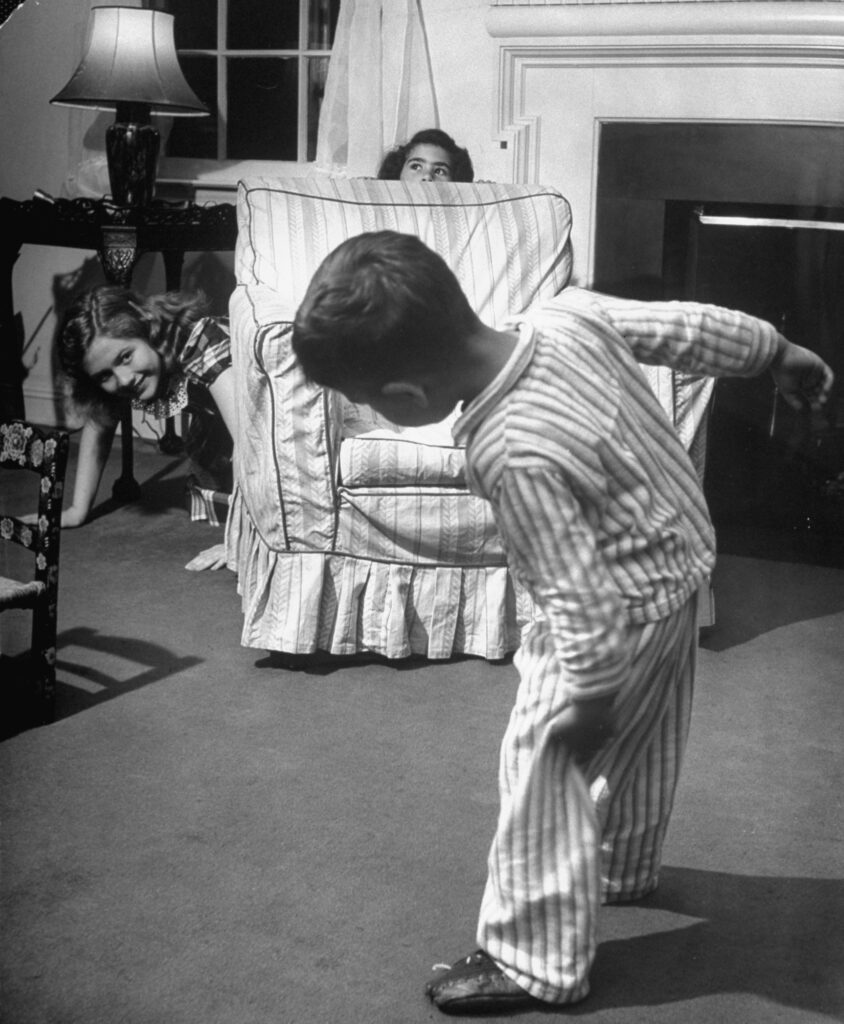
Finally, Leen followed a family from Manhasset, N.Y., that exemplified what LIFE called the “atomistic” family (it would more commonly be termed “nuclear family“), in which the unit was comparatively small—two parents, two kids—everyone was going in their own direction. Dad travelled for work, mom was involved in her clubs, and their 14-year-old son hung out with his friends around town and his sister earned money by babysitting for neighbors when those parents were away.
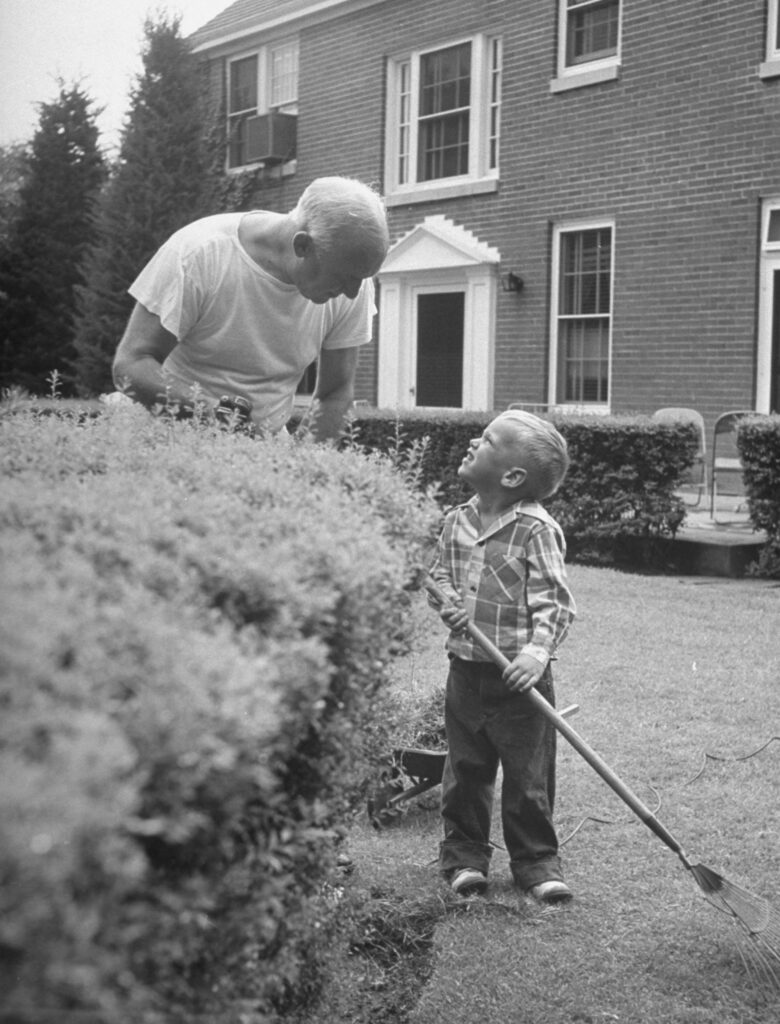
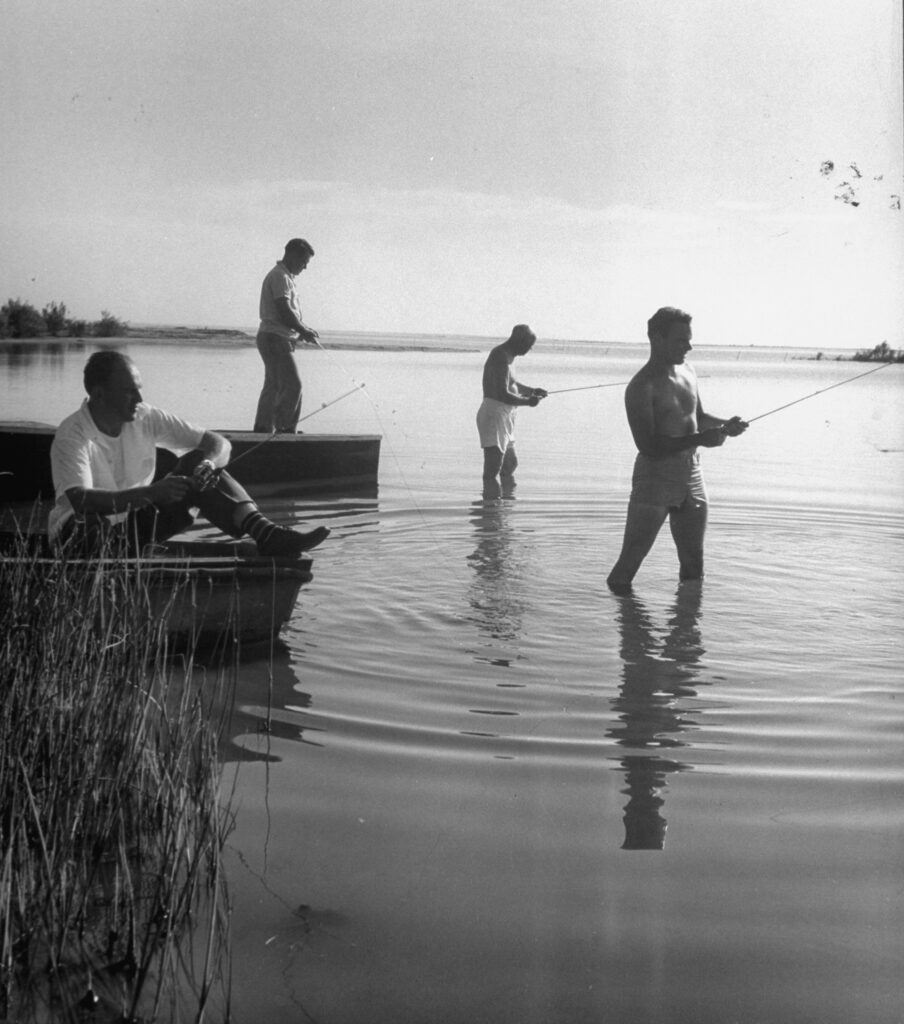
Part of the reason that life in all three of these families looks beautiful is that Nina Leen takes beautiful photographs. (She also took images from foster homes for this story that have their own charm.) But to the modern eye scenes from all three of these family situations are capable of inspiring nostalgia—whether they show a family fishing expedition, a grandfather doing yard work with his grandson, or an “atomistic” 14-year-old hanging out with his friends at the diner. Leen’s shots of the teenage boy fending for himself look like stills from a classic coming-of-age movie.
LIFE’s story did include a dissenting view from an expert who argued that individuals gaining separation from their families can be a good thing. A professor from Vassar named Joseph Kirk Folsom told LIFE that the loosening of family ties was in fact a sign that America was living up to the American ideal of personal freedom. “If the family as a unit is to be so sacrosanct as to stand in the way of allowing a growing child to develop his own contacts freely, to roam in search of fresh private experiences and to strike out when he is ready to conquer his share of the world—then it has ceased to fulfill the functions for which it is intended in a democratic society,” Folsom said.
And of course family life is not always uplifting for everyone. The famous opening line of Leo Tolstoy’s novel Anna Karenina, “All happy families are alike; each unhappy family is unhappy in its own way” acknowledges that there are an infinite number of ways that home life can go wrong.
There’s an argument that the one way happy families are alike has nothing to do with engaging in a common enterprise, but rather supporting its members on their own path, wherever that leads.
The Russell family, posing together in 1948, had worked their farm in the Ozarks town of Belleview, Mo., for 125 years.
Nina Leen/Life Picture Collection/Shutterstock
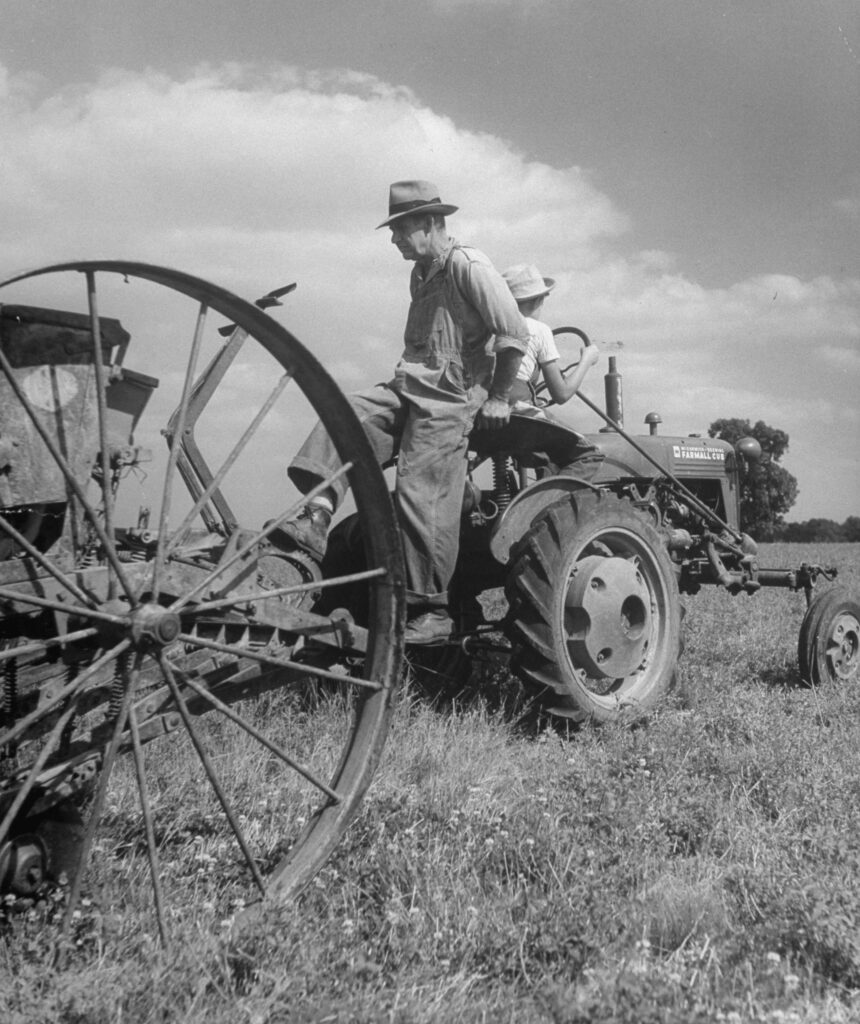
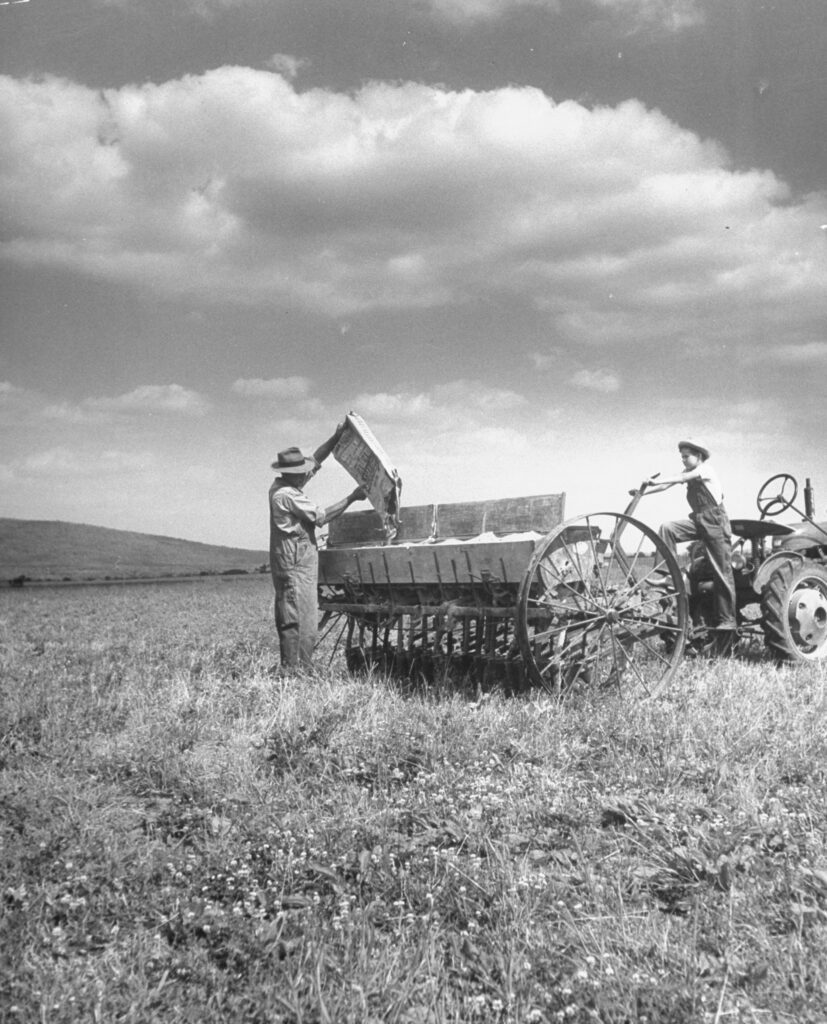
Scenes from a family farm in the Ozarks, 1948.
Nina Leen/Life Picture Collection/Shutterstock
A family farm in the Ozarks, 1948.
Nina Leen/Life Picture Collection/Shutterstock
At the Russell family farm in Belleville, Mo., mending shoes was one element of a 14-hour workday.
Nina Leen/Life Picture Collection/Shutterstock
Scenes of family life in the Ozarks, 1948.
Nina Leen/Life Picture Collection/Shuttetstock
A grandmother mended jeans on the porch of the family farm in the Ozarks, 1948.
Nina Leen/Life Picture Collection/Shutterstock
Scenes from a story on family life, 1948.
Nina Leen/Life Picture Collection/Shutterstock
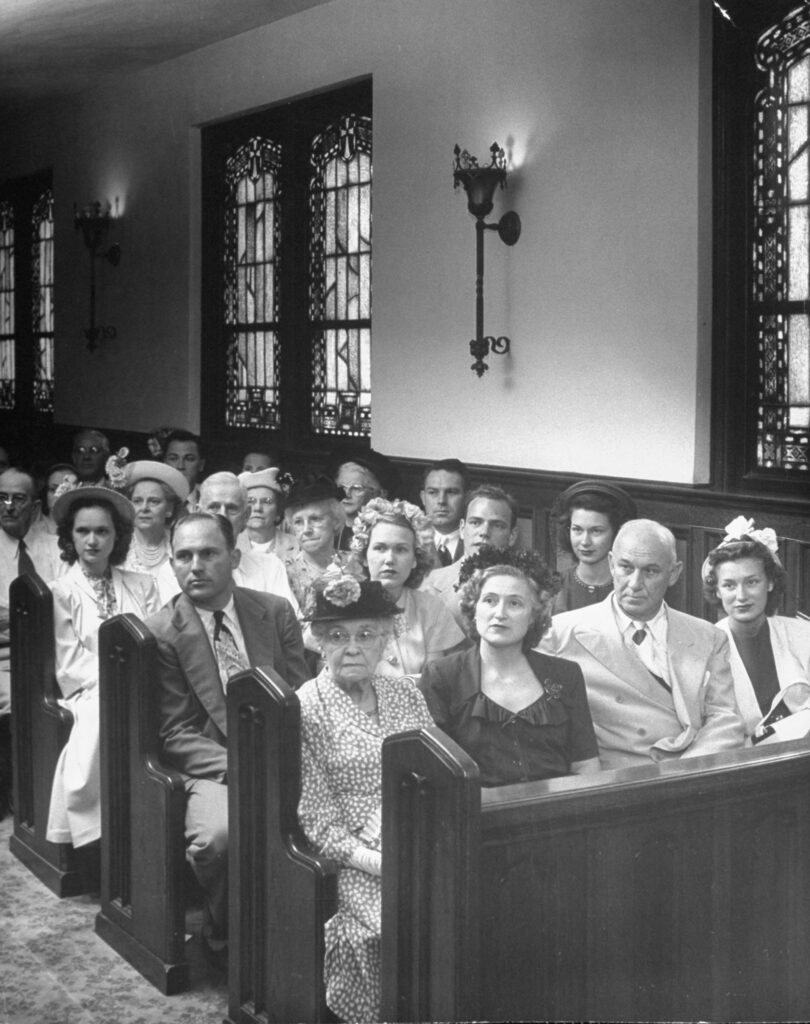
The Frantz family of Enid, Oklahoma attended church together, 1948.
Nina Leen/Life Picture Collection/Shutterstock
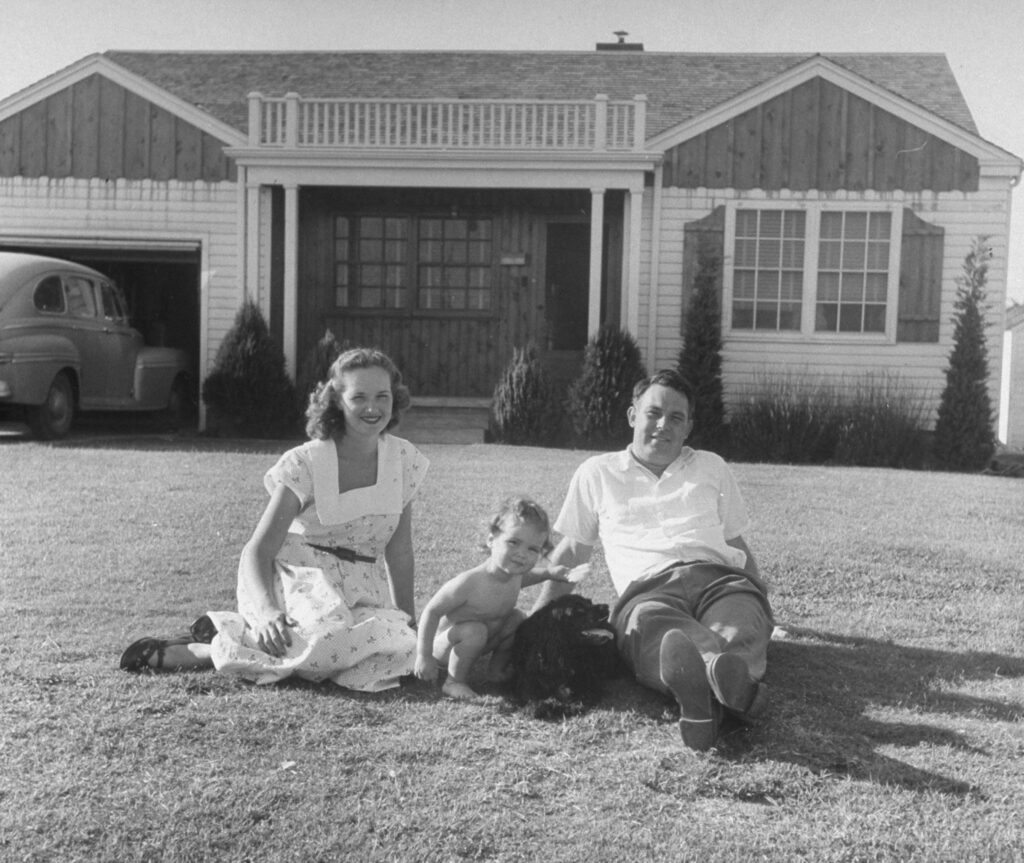
Harry Frantz Jr. and his family sitting on the lawn in Enid, Oklahoma; Harry lived just four blocks from his parents, 1948.
Nina Leen/Life Picture Collection/Shuttetstock
Harry Frantz teaches his grandson, who lived just four blocks away, about gardening in Enid, Oklahoma, 1948.
Nina Leen/Life Picture Collection/Shutterstock
Men of the Frantz family of Enid, Oklahoma, fished together, 1948.
Nina Leen/Life Picture Collection/Shutterstock
Harry Frantz read to his grandchildren; he was a regular presence in their lives because he lived only four blocks away, Enid, Oklahoma, 1948.
Nina Leen/Life Picture Collection/Shuttetstock
Scenes from a story on family life, 1948.
Nina Leen/Life Picture Collection/Shutterstock
Scenes from a story on family life, 1948.
Nina Leen/Life Picture Collection/Shutterstock
Members of the Frantz family of Enid, Oklahoma all went together when one of them wanted to buy a swimsuit, 1948.
Nina Leen/Life Picture Collection/Shutterstock
Scenes from a story on family life, 1948.
Nina Leen/Life Picture Collection/Shutterstock
Scenes from a story on family life, 1948.
Nina Leen/Life Picture Collection/Shutterstock
The Parker family enjoys a picnic lunch together in Manhasset, N.Y., 1948.
Nina Leen/Life Picture Collection/Shutterstock
The Parker family dines together without dad, who is away on a business trip, 1948.
Nina Leen/Life Picture Collection/Shutterstock
Mrs. Parker chatted over tea with other members her social club, Long Island, N.Y., 1948.
Nina Leen/Life Picture Collection/Shutterstock
A youth baseball game in Long Island, N.Y., 1948.
Nina Leen/Life Picture Collection/Shutterstock
Cary Parker, 14, spent time with friends in Long Island, N.Y., 1948.
Nina Leen/Life Picture Collection/Shutterstock
Taking the dog out for a walk gave a restless 14-year-old boy an opportunity to meet up with friends, 1948.
Nina Leen/Life Picture Collection/Shutterstock
Martha Parker (left), at age 11, was often out of the house at night working baby-sitting jobs like this one, 1948.
Nina Leen/Life Picture Collection/Shutterstock
The Packer family in Long Island, N.Y. waited for the phone to ring and possibly call one of them away to an outside activity, 1948.
Nina Leen/Life Picture Collection/Shutterstock
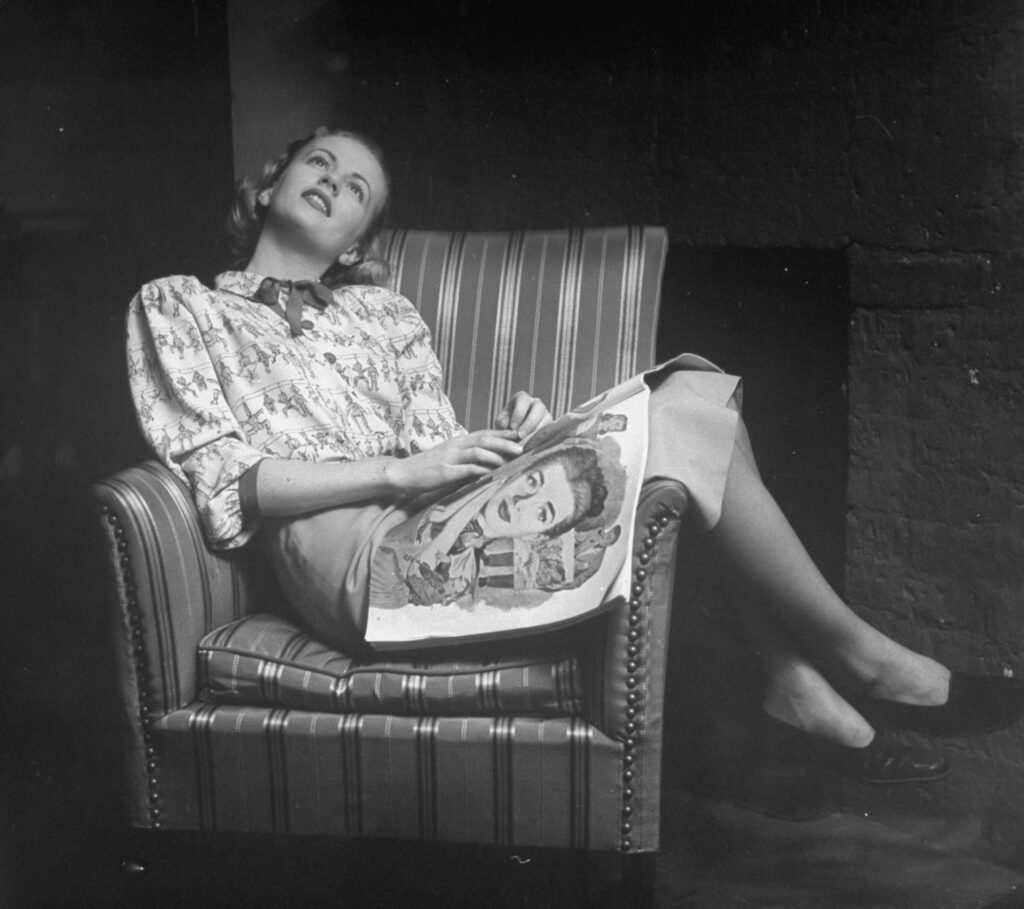
The tendency to daydream and imagine an unrealistic ideal, as inspired by advertising, films, and radio serials, was portrayed in a 1948 LIFE story as an enemy of family life.
Nina Leen/Life Picture Collection/Shutterstock
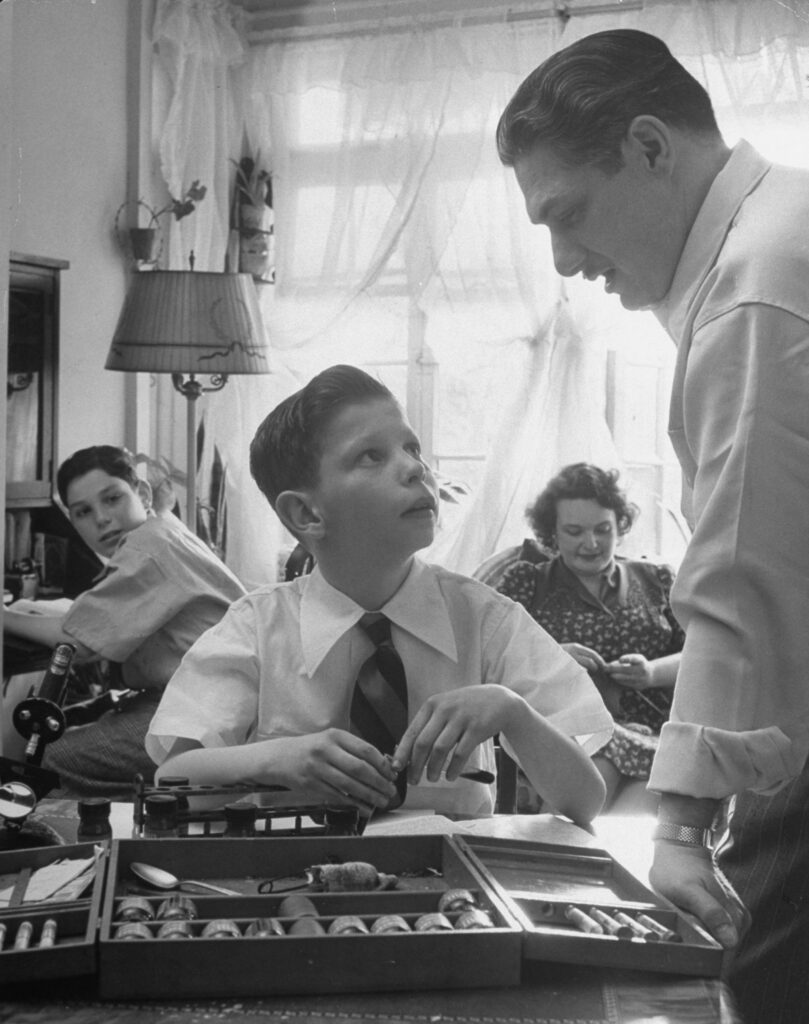
Sidney Hauser, 11, needed to spend two years in foster care because of an illness in the family, 1948.
Nina Leen/Life Picture Collection/Shutterstock
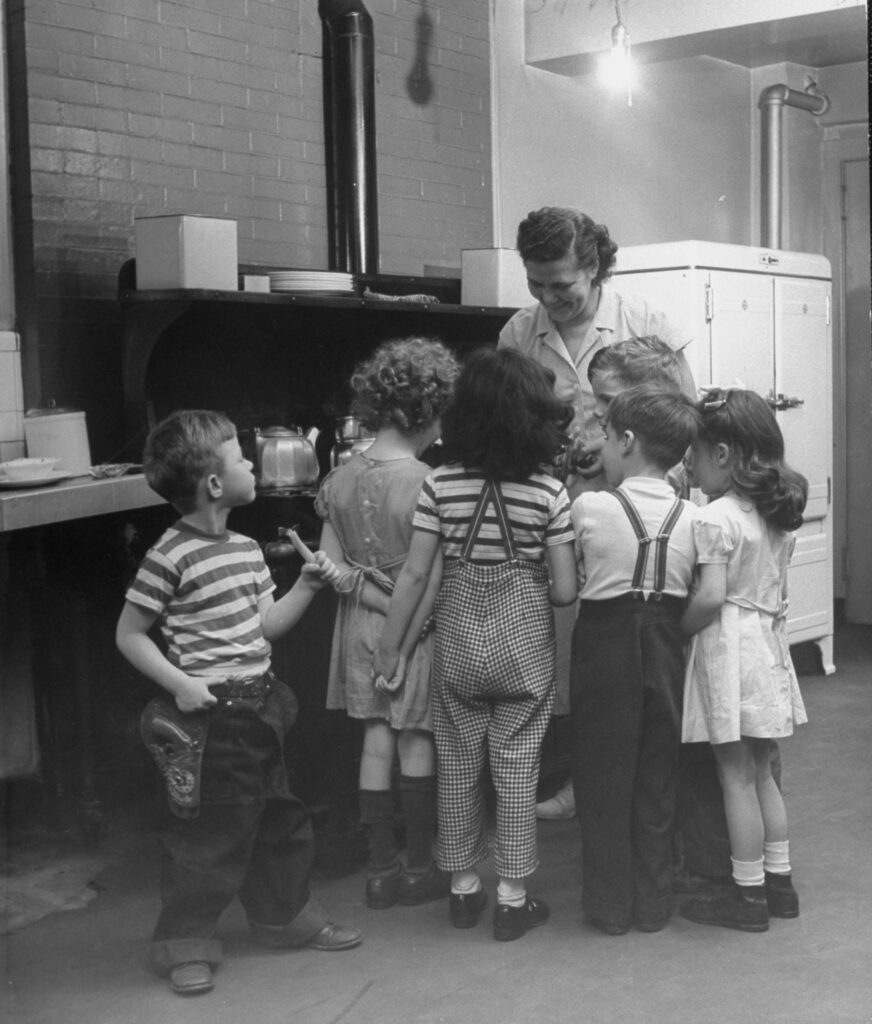
This day nursery tended to kids whose parents worked, 1948.
Nina Leen/Life Picture Collection/Shutterstock
The post An Unexpected Tribute to Family Life appeared first on LIFE.


It’s great having a boyfriend or girlfriend. You can go on dates with them, sleep with them, make plans together, have rows together, cheat on…
The post How to spice up your relationship appeared first on The Daily Struggle.