15
Dec

I love autumn. I love new coats, I still love back to school stationery whether I need it or not, I love the change in…
The post Autumn: pumpkin spice break up season? appeared first on The Daily Struggle.
I love autumn. I love new coats, I still love back to school stationery whether I need it or not, I love the change in…
The post Autumn: pumpkin spice break up season? appeared first on The Daily Struggle.
The greater the athlete, the tougher it is to leave the arena. It was certainly the case for Yankees center fielder Mickey Mantle. A tremendous natural talent, Mantle became a dominant force on the diamond almost as soon as he joined the Yankees in 1951. He would go on to win three MVP awards and the 1956 Triple Crown, all the while making a name for himself with towering home runs. His purported 565-foot moonshot in 1953 gave birth to the phrase “tape-measure home run.” Mantle also delivered big when the stakes were highest, leading the Yankees to seven championships. To this day he still holds World Series records for career home runs (18), RBIs (40) and total bases (123).
While the young Mantle was electrifying, his career was plagued by injuries great and small until, by the time he was in his 30s, his legs were so thoroughly wrapped and bandaged on game days that he literally hobbled to the plate to hit. His heavy drinking also contributed to his physical decline. Mantle wrote in a 1994 story about his drinking habits in Sports Illustrated that he began to lean on alcohol during his second season in the majors, after his father died from Hodgkin’s disease.
The image by LIFE staff photographer John Dominis that is featured in this story was taken in 1965, when Mantle’s skills were clearly slipping. Mantle had just stumbled through a lousy at-bat, and he tossed his helmet in frustration. It is the kind of action shot you rarely see, and one that captures the anguish of a sports hero in decline. It is no surprise that this resonant photo is one of the top sellers in the LIFE print store.
Dominis’s photo ran with a story in LIFE magazine titled “Last Innings of Greatness.” The image was taken during a meaningless game midway through the team’s disappointing 1965 season (the Yankees finished below .500 for the first time in 40 years). The story began with with a description of Mantle’s helmet toss and then offered a quote from the fading star: “It isn’t any fun when things are like this,” Mantle told LIFE. “I’m only 33, but I feel like I’m 40.”
Despite his frustrations Mantle kept at it for three more years until 1968, when his batting average slipped to an anemic .237, and that was his last year in the game.
In 1995 Mantle died of liver cancer at age 63. On the occasion of his death, Richard Hoffer wrote an obituary in Sports Illustrated that attempted to explain the meaning of Mantle to those who witnessed his beautiful prime:
For generations of men, he’s the guy, has been the guy, will be the guy. And what does that mean exactly? A woman beseeches Mantle, who survived beyond his baseball career as a kind of corporate greeter, to make an appearance, to surprise her husband. Mantle materializes at some cocktail party, introductions are made, and the husband weeps in the presence of such fantasy made flesh. It means that, exactly.
Dominus’ photo captures the moment of the fantasy coming to an end for the man who was fortunate enough to live it.
Mickey Mantle tossed his batting helmet in disgust after a lousy at-bat, Yankee Stadium, 1965.
John Dominis/Life Picture Collection/Shutterstock
The post Twilight of an Idol: A Portrait of Mickey Mantle in Decline appeared first on LIFE.
After the hard lockdowns of the COVID-19 pandemic finally loosened up, many people—and especially teenagers who had their school years interrupted—talked about wanting to make up for lost time. The phrase “hot girl summer” may have originated in 2019 with a song by Megan Thee Stallion, but it came up again frequently when vaccines became available and public spaces opened back up again.
That more recent history something to keep in mind when considering a 1947 photo essay by staff photographer Nina Leen about teenagers in the years immediately after World War II. As described by LIFE, those teenagers were pretty much the opposite of the COVID kids.
The 1947 photo essay by Leen centered on a pair 17-year-old identical twins named Betty and Barbara Bounds. The point of choosing identical twins as the main subject may have been to add an element of symmetry to a story about how young people had become fastidious about their appearance.
According to LIFE’s story, headlined “Tulsa Twins: They Show How Much the Teenage World Has Changed,” young people after World War II aspired to be being dignified and proper:
In 1944 when Betty and Barbara Bounds, who are identical twins, entered Will Rogers High School in Tulsa, Oklahoma, their clothes were sloppy; hot music was the rage and the general behavior of the world was somewhat footloose….Today the teenage world of Betty and Barbara is entirely different. Their clothes are feminine and fastidious; sweet music has replaced hot licks and the general tone of the teenage life is more decorous. The reason for this may be all tied up with the U.S. transition to peace or merely an adolescent desire for something new.
Going with the idea that the teenage trends were a reaction to the war, the motivation behind it underlines the key difference between the pandemic lockdowns and the deprivations of World War II on the domestic front. The pandemic restrictions robbed young people of social opportunities. Whereas the World War II and the rationing of goods meant that teenagers at home were limited less by where they could go than what they could have.
Leen used the mood of the day to create these idealized images of youth. The photo of the Bounds sisters at a dance is as dreamy a picture of teenage life as you will find anywhere.
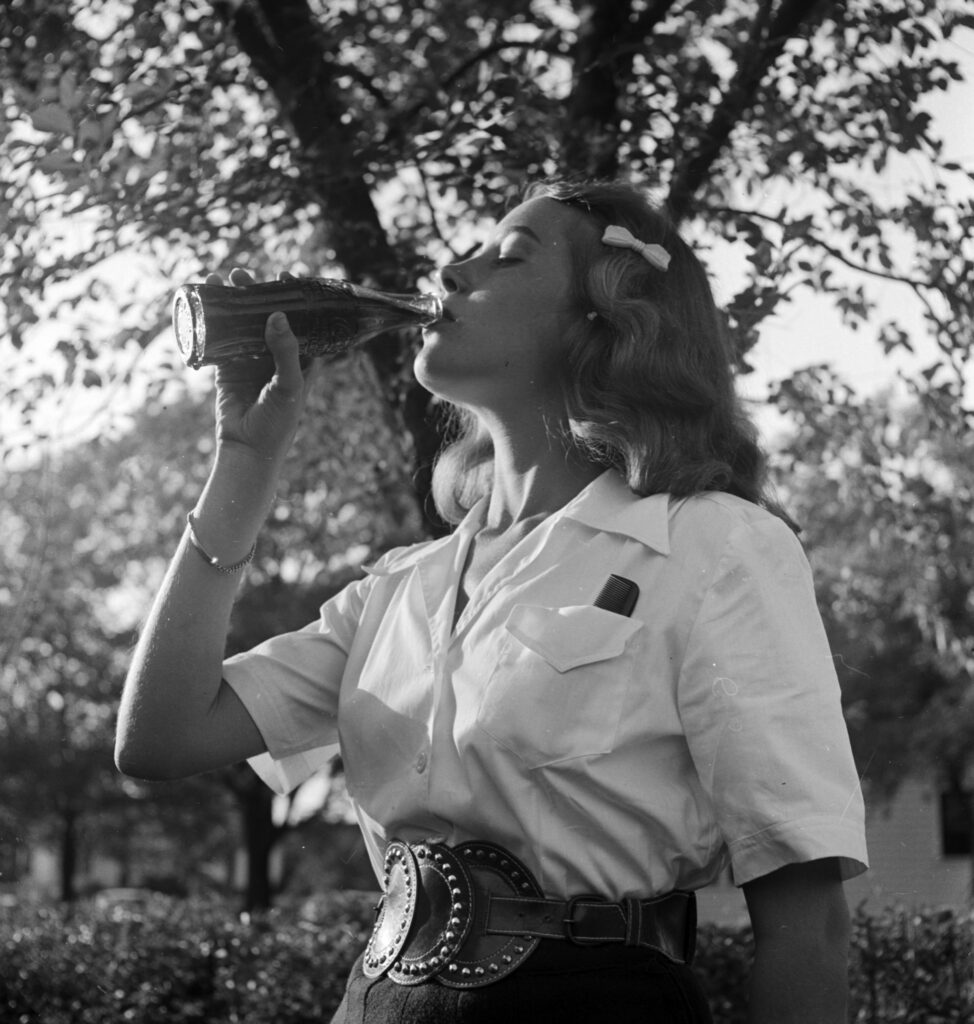
Teenagers at a party in 1947 in Tulsa, Oklahoma; LIFE reported that these kids “munch doughnuts and sip cokes whenever they are not dancing with serious faces to sentimental music.”
Nina Leen/Life Pictures/Shutterstock
Tulsa twins Betty and Barbara Bounds, 1947.
Nina Leen The LIFE Picture Collection/Shutterstock images
Tulsa twins Betty and Barbara Bounds with their parents, 1947.
Nina Leen The LIFE Picture Collection/Shutterstock images
Tulsa twins Betty and Barbara Bounds, 1947.
Nina Leen The LIFE Picture Collection/Shutterstock images
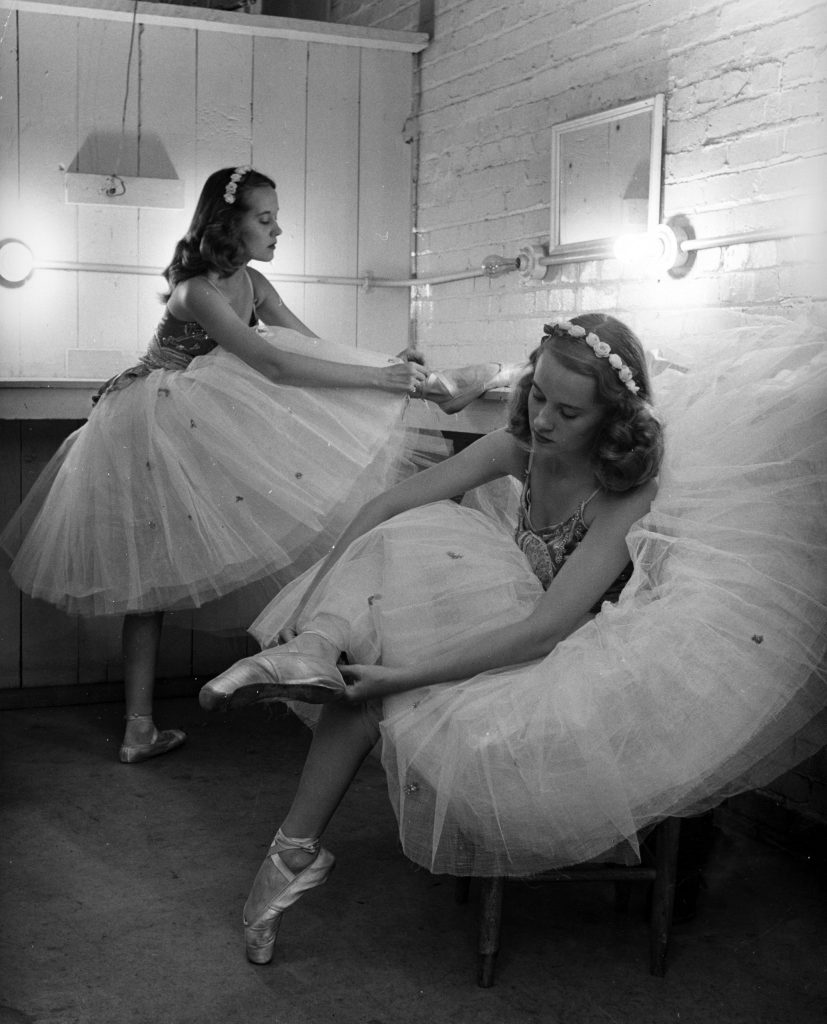
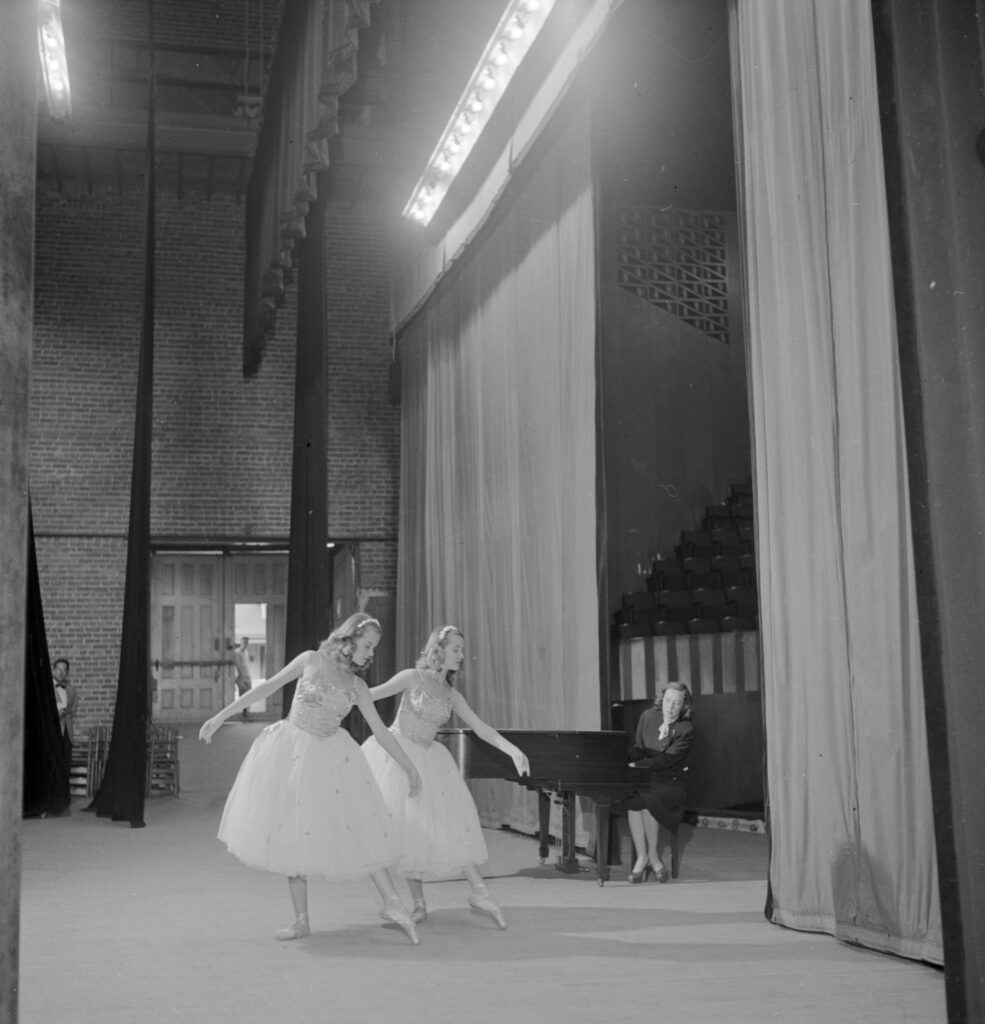
Tulsa twins Betty and Barbara Bounds at ballet class, 1947. A LIFE photo essay highlighted the twins as examples of the decorous lifestyle choices being made by teenagers in the days after World War II.
Nina Leen The LIFE Picture Collection/Shutterstock images
Tulsa twins Betty and Barbara Bounds, 1947.
Nina Leen/Life Picture Collection/Shutterstock
Tulsa twins Betty and Barbara Bounds spoke with a friend, 1947.
Nina Leen The LIFE Picture Collection/Shutterstock images
Barbara Bounds, 17, and friend work on the mixture for a fudge cake, Tulsa, 1947.
Nina Leen The LIFE Picture Collection/Shutterstock images
Tulsa twins Betty and Barbara Bounds, 1947.
Nina Leen The LIFE Picture Collection/Shutterstock images
Tulsa twins Betty and Barbara Bounds, 1947.
Nina Leen The LIFE Picture Collection/Shutterstock images
Tulsa twins Betty and Barbara Bounds, 1947.
Nina Leen The LIFE Picture Collection/Shutterstock images
Teenage life in Tulsa, 1947.
Nina Leen/Life Picture Collection/Shutterstock
A teenage girl in Tulsa, Oklahoma used nail polish to decorate her sunglass frames, 1947.
Nina Leen/Life Picture Collection/Shutterstock
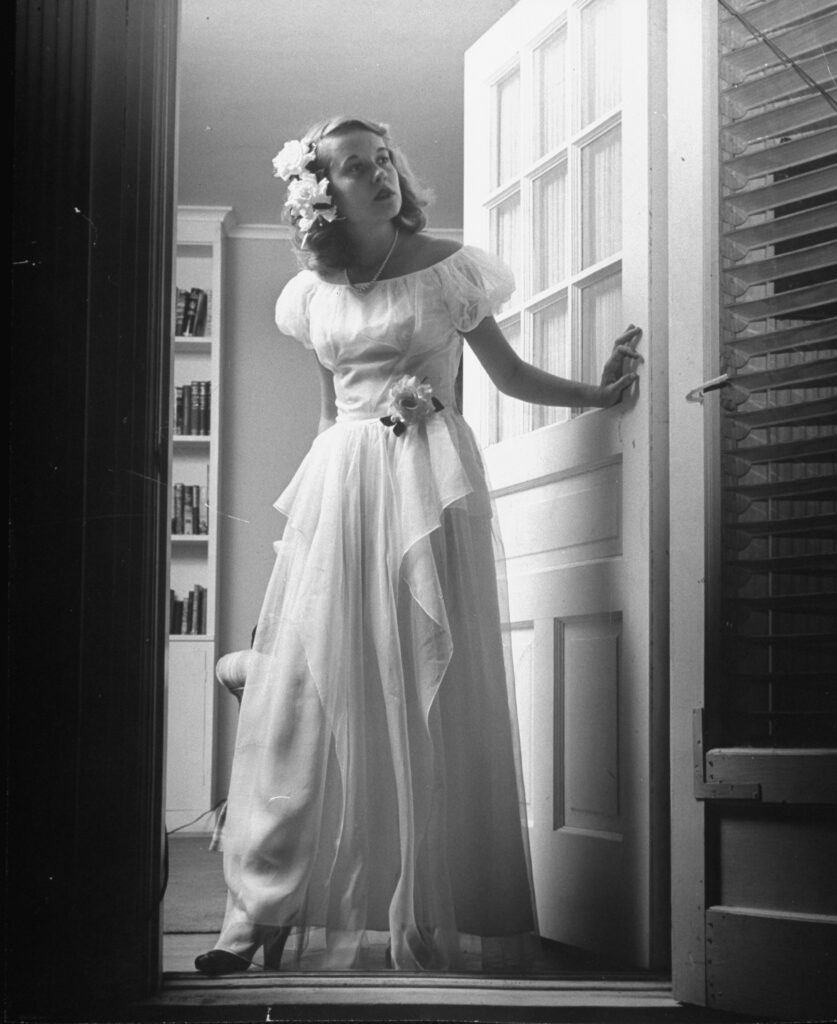
Betty Bounds, with real gardenias in her hair, wore a full-skirted evening dress embellished with an artificial gardenia while waiting at door for her date, Tulsa, 1947.
Nina Leen/Life Picture Collection/Shutterstock
The post Proper Teenagers in a Post-War World appeared first on LIFE.
Looking at red carpet photos of years past is a surefire way to trigger memories. Those memories can be as small as remembering the way an actress wore her hair, or as deep as recalling the days when stars who who are longer with us were young and healthy.
Looking at this photo gallery of images from the Golden Globe Awards in the 1990s might trigger such memories as:
—When the TV show Melrose Place, starring Heather Locklear, was America’s guilty pleasure.
—When Seinfeld was America’s top comedy—and in one episode Jerry lied about watching Melrose Place.
—When Tom Cruise and Nicole Kidman were married. And how Kidman, who towers over Cruise in our photo, commented about being able to wear high heels again after the couple had divorced.
—Hugh Grant and Elizabeth Hurley in their dating years (and though the two are long separated they are reportedly still close friends).
—Speaking of old friends, we have Lisa Kudrow, Jennifer Aniston and Courtney Cox on the carpet as well. While often nominated, Friends took home only one Golden Globe (Aniston in 2003) and the beloved sitcom generally earned greater recognition at other awards shows.
—And seeing Christopher Reeve walking the red carpet in 1993 might conjure up all sorts of thoughts about the man who became a spinal cord injury advocate after a 1995 horse riding accident left him paralyzed. Reeve, who died in 2004, remains the embodiment of Superman for people of a certain age.
These stars all walked the red carpet at the Golden Globes because their performances made an impression on people, and those impressions remain. Which is as rare and meaningful as any award.
Actress Julia Roberts holding her Golden Globe Award for best actress in a musical or comedy for “Pretty Woman,” 1991.
DMI
(L-R) Actors Jodie Foster, Al Pacino (holding his award for “Scent of a Woman”) and Patrick Swayze in the press room at the Golden Globe Awards, 1993
DMI
Jerry Seinfeld and Julia Louis-Dreyfus holding their awards in Press Room at the 1994 Golden Globe Awards.
DMI
Tom Cruise with Nicole Kidman at the 1995 Golden Globe Awards.
DMI
Friends co-stars Lisa Kudrow, Jennifer Aniston and Courteney Cox at the 1996 Golden Globe Awards.
DMI
Jason Priestley, star of “Beverly Hills 90210,” in the press room at the 1992 Golden Globe Awards.
Actor Val Kilmer at the Golden Globe Awards, 1994.
DMI
Actor Brad Pitt holding his supporting actor award for his performance in “12 Monkeys” at the 1996 Golden Globes.
DMI
Winona Ryder at the 1994 Golden Globes, where she won best supporting actress for her role in “The Age of Innocence.”
DMI
Actress Helen Hunt at the Golden Globe Awards, 1994.
DMI
Actress Heather Locklear at the 1996 Golden Globes.
DMI
Actress Halle Berry in the press room at the 1997 Golden Globe Awards.
DMI
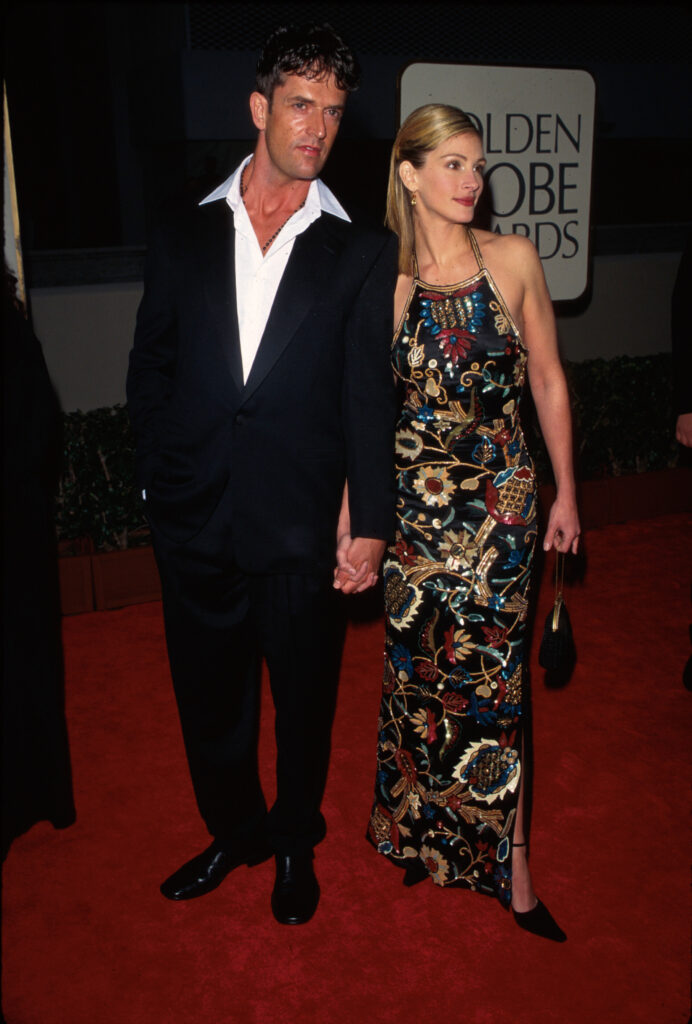
Rupert Everett and Julia Roberts, co-stars in “My Best Friend’s Wedding,” at the 1998 Golden Globe Awards.
DMI
Actors Gina Gershon and David Spade at a 2000 Golden Globe Awards party.
DMI
Eddie Murphy and wife, Nicole Mitchell, at the 1997 Golden Globe Awards.
DMI
Bruce Willis and Demi Moore at the 1997 Golden Globe Awards.
DMI
Actors Hugh Grant and Elizabeth Hurley at a Golden Globe Awards pre-party, 2000.
DMI
(L-R) Model Claudia Schiffer and actress Elizabeth Hurley at a party before the 2000 Golden Globe Awards.
DMI
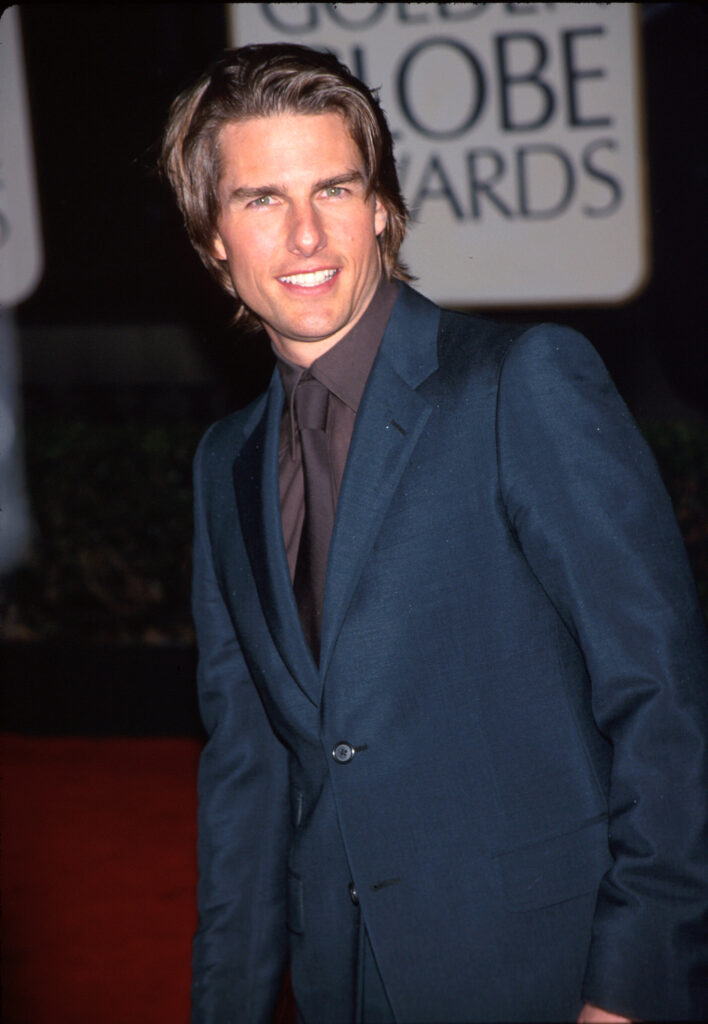
Tom Cruise at the 2000 Golden Globe Awards.
DMI
Christopher Reeve and wife Dana at Golden Globe Awards, 1993
DMI
The post Like Seeing Old Friends: Images From the ’90s Golden Globes appeared first on LIFE.
The following is adapted from the introduction to LIFE’s new special issue Sharks: Predators of the Sea, which is available here online and at newsstands:
Few words in the American vocabulary inspire fear and fascination the way shark does. If shouted too loudly on a sunny Cape Cod beach, it could prompt scores of swimmers to rush to shore. When attached to a movie poster—think Jaws and Sharknado—the association has reliably led to big box office. More than half of Americans say they are scared of sharks, and a third have said they are so terrified they suffer from galeophobia (the scientific designation for a shark phobia) and won’t even go in the water.
There are plenty of reasons we are afraid of sharks. From a psychological perspective, being attacked by a shark looms as a particularly gruesome way to die. “We’re not just afraid of things because of the likelihood that they’ll happen, but [also] because of the nature of them if they do happen,” David Ropeik, who has studied the gap between human fears and reality, told Live Science in 2015. “It may be unlikely that you’ll be attacked by a shark, but it would suck if you did.” On top of that, there have been vastly more unprovoked shark-related incidents in the United States over time—28 in 2024 alone, triple that of Australia, which is next in line.
The odds of dying in a shark attack during your lifetime are incredibly remote—1 in 4.3 million. Each year, there are typically around six unprovoked shark-related fatalities worldwide. A beachgoer is far more likely to die of sun exposure (.00007 percent chance) or in a car accident (.011 percent chance) than from a shark attack. According to data compiled by the International Shark Attack File, you’re far more likely to be bitten by a New Yorker than a shark.
Perhaps because so much of the United States is landlocked, sharks historically were not on the American radar. In fact, for many years, sharks didn’t bite people in the U.S. Or, at least, that’s what the general population and some academics thought. Consider Maryland-born athlete Hermann Oelrichs, who in 1891 felt so sure
that sharks were harmless, he jumped into the sharky waters outside his home in Newport, Rhode Island, to prove his point to some guests. Oelrichs was fine; the fish and sharks scattered—likely frightened by the splash, according to the Pittsburgh Dispatch. The upshot: Scientists at the American Museum of Natural History in New York later cited Oelrichs’s stunt as scientific evidence that man-eating sharks did not exist.
The conviction that sharks posed no threat would not last long. Fast-forward to 1916 on the Jersey Shore, when in the course of just 12 days, five people were attacked by sharks. In an attempt to contain public anxiety, authorities blamed all of the attacks on a single young great white that was found with human remains in its stomach.
The single-shark messaging led to the “mythos of a rogue killer . . . intentionally moving around and finding victims,” says Janet M. Davis, a professor of American Studies at the University of Texas at Austin, who has studied the history of human-shark interactions. “The fact that these fatal bites [in New Jersey] occurred in such rapid succession really scared people.” Locals fought back, with some tossing sticks of dynamite into a creek where one of the victims was found. President Woodrow Wilson promised federal aid to “drive away all the ferocious man-eating sharks which have been making prey of bathers,” reported the Philadelphia Inquirer.
During World War II, anxiety about shark attacks was so pronounced, the Navy began work on a shark repellent, with the help of the Office of Strategic Services, the precursor to the Central Intelligence Agency. Among others who devoted themselves to the repellent was OSS executive assistant and future chef Julia Child, who experimented with combinations of nicotine, clove oil, horse urine, rotting shark muscle, and asparagus in the hopes of preventing shark attacks. Before the end of the war, the Navy introduced Shark Chaser, a pink pill of copper acetate that produced an inky black dye when released in the water, obscuring a serviceman from lurking sharks.
With the war’s end, it would be another 30 years before fear of sharks again gripped the public. The precipitating events: the publication of the book Jaws by Peter Benchley and the release of the Hollywood version, also called Jaws.
“During the summer of 1975 when Jaws was in hundreds of theaters across the [U.S.] . . . we could see the fear that it was stirring up,” Wendy Benchley, an ocean conservationist and the novelist’s widow, told National Geographic in 2022. For some, that meant avoiding swimming in deep waters. Others were inspired to emulate the film’s heroes and sail out to sea to hunt down these creatures. Across the U.S. East Coast in the mid-1980s, sporting events, such as Monster Shark Tournaments, took place to kill sharks as conquests. “It horrified Peter and me that some people’s first reaction was to kill sharks,” she said.
But there were also members of the public who found the story thrilling. Thousands of people around the world sent letters to Benchley to describe how the book and film had inspired them to learn more, become marine biologists, or photograph sharks. (One example: Eight years after the release of Jaws, a group of scientists founded the American Elasmobranch Society, to promote the study of sharks.) “There is no question that Jaws made a lot of people scared of sharks, and some responded by killing these animals,” shark scientist Yannis Papastamatiou told National Geographic in 2022. “Jaws had the opposite effect on me. I wanted to work with sharks.”
America’s post-Jaws reactions to sharks largely centered around another entertainment medium: Shark Week and the rise of television documentaries. If Jaws—both the book and movie—taught television and film executives anything, it was that sharks sell. The Discovery Channel’s weeklong Shark Week event, inaugurated in 1988 as a way to spark ratings, soon became an annual mainstay–akin to a secular national holiday.
Originally, Shark Week programming was educationally oriented, including the 1988 film Caged in Fear, about the development of technology to stave off shark attacks. But as ratings for Shark Week grew, Discovery amped up the drama, conflict, and sensationalism. Today, Shark Week tends to feature content like Great White Serial Killer: Sea of Blood, which capitalized on a string of fatal shark attacks off the coast of Mexico. In the film, investigators attempted to identify the perpetrator, a massive great white shark, and capture it on film.
Although sharks continue to be sensationalized in the media, researchers like Papastamatiou work to promote a more accurate understanding of the animals and support conservation efforts. In particular, Papastamatiou, who runs the Predator Ecology & Conservation Lab at Florida International University, is known for his work around sharks’ social and hunting habits.
Instead of demonizing sharks, the public should follow the example of seafaring communities in the South Pacific, Davis suggests. In Hawaii and Fiji, sharks are not viewed as blood-frenzied serial killers but instead revered as ancestral spirits. Of course, that doesn’t mean these indigenous communities would call sharks cute and cuddly. “This is an animal that is very powerful and strong,” says Davis. “So even in a culture that really looks to these animals as central to their cosmologies and spiritual worlds, there’s still respect for the potential power of these animals.” These centuries-old stories and traditions align with what scientists have been discovering–the ocean is better with sharks in it. ——By Courtney Mifsud Intreglia ▼ ▼
The following is a selection of photos from LIFE’s new special issue Sharks: Predators of the Sea, which is available here online and at newsstands.
Cover photo by Chris & Monique Fallows/Nature Picture Library
Cover photo by Brad Leue/Alamy
Cultures on seafaring islands in the South Pacific consider the whale shark to be a harbinger of good luck and fortune.
Alamy Stock Photo
Marine biologists observed a Port Jackson shark about 20 meters below in the surface in the waters off Sydney, Australia.
Fairfax Media via Getty Images
Bull sharks, seen above in Western Australia, are found in both saltwater and freshwater. They have been spotted in rivers hundreds of miles from the ocean.
Getty Images
The 1975 summer blockbuster Jaws, starring Roy Scheider, had plenty of people afraid to go in the water.
Corbis via Getty Images
In the 2003 movie Finding Nemo, a shark named Bruce looked intimidating but turned out to be kind and gentle.
©Walt Disney Co./Courtesy Everett Collection
Tourists paddled a kayak, unaware of the great white shark lurking behind them.
Shutterstock/karelnoppe
Sharks circled in the waters off Cocos Island, Costa Rica.
Getty Images
A great white shark leapt against the sunset.
Getty Images/iStockphoto
The post Sharks: Fear and Fascination appeared first on LIFE.

It’s been three months since the Mamas & Papas Vardo Pushchair Bundle rolled into our lives, and as a new parent, I’ve put it through…
The post Mamas & Papas Vardo Pushchair Bundle Review: Three Months of Real-Life Testing appeared first on The Daily Struggle.

There are so many myths surrounding abusive and toxic relationships. People often make excuses for their abuser and we hear far too often other people…
The post 10 myths about abusive relationships appeared first on The Daily Struggle.

The nesting instinct is kicking in, and with it comes the exciting, sometimes overwhelming, urge to prepare for your little one’s arrival. As your due…
The post Hospital Bag Essentials: What Expectant Parents REALLY Need To Pack appeared first on The Daily Struggle.
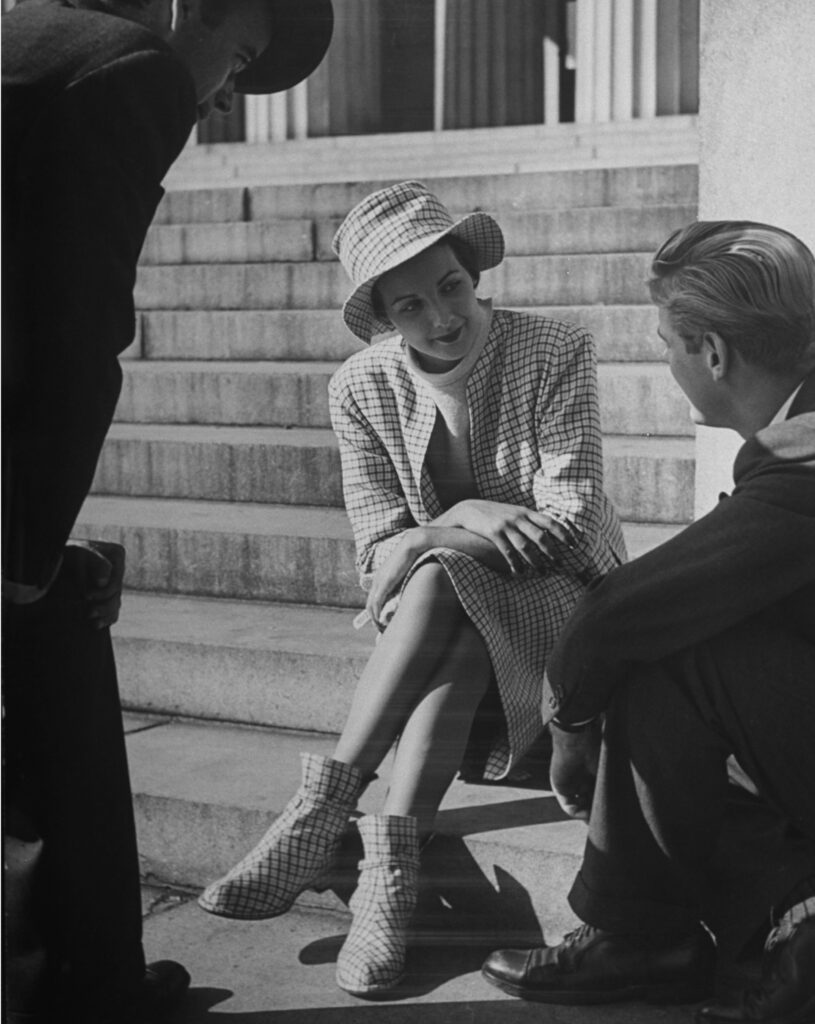
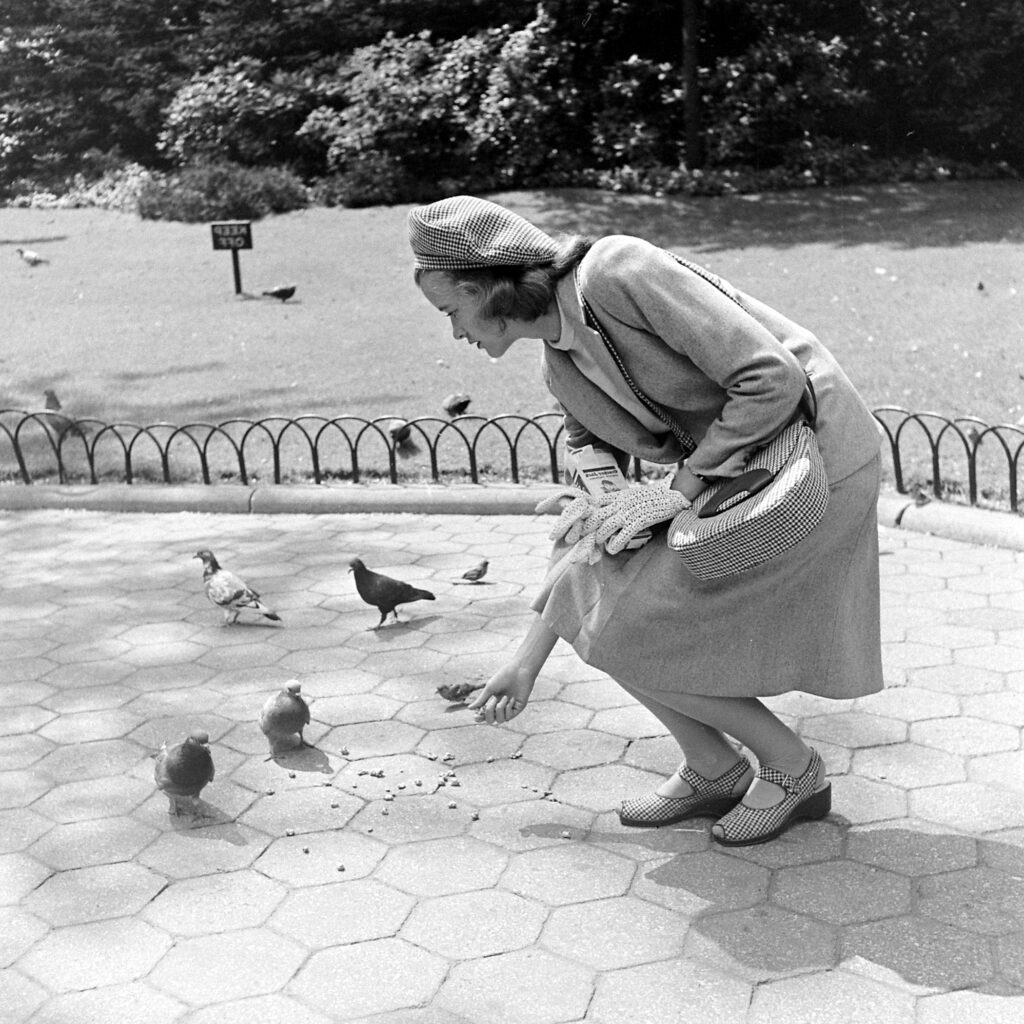
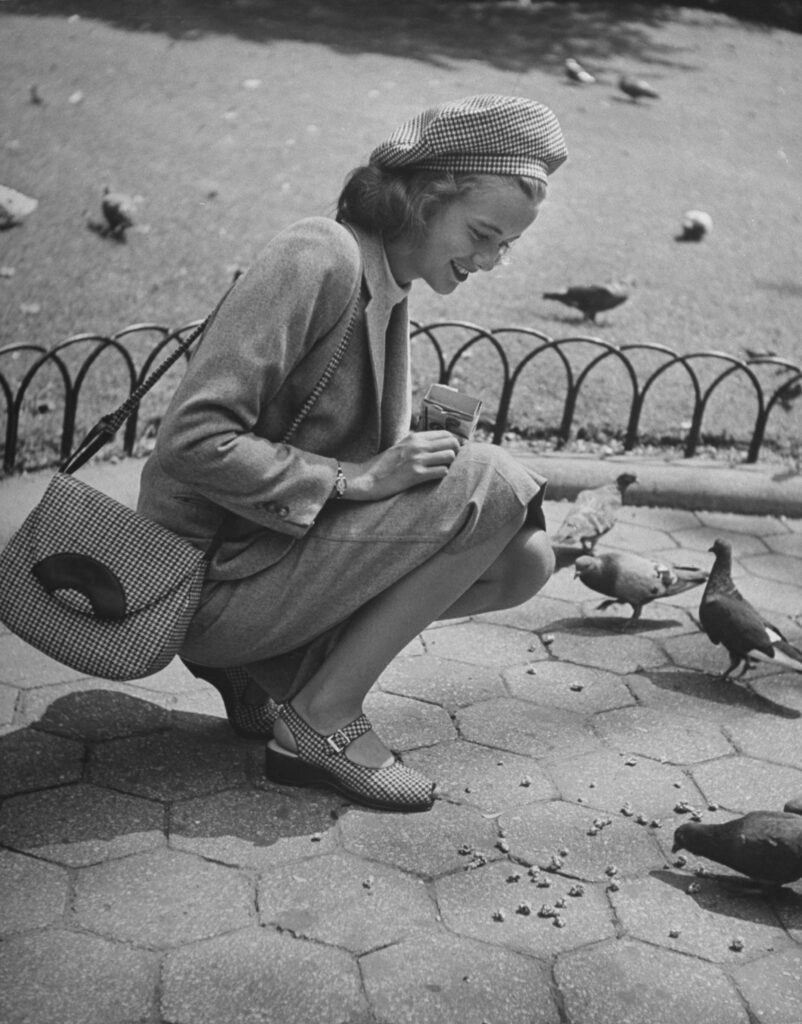
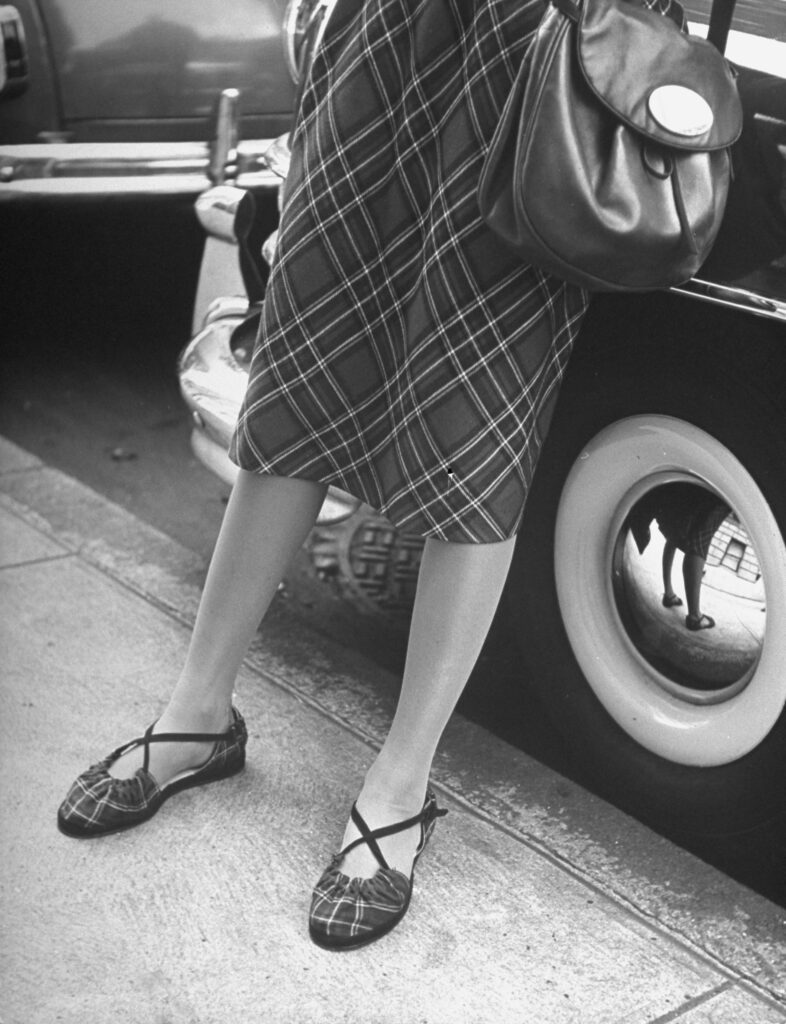
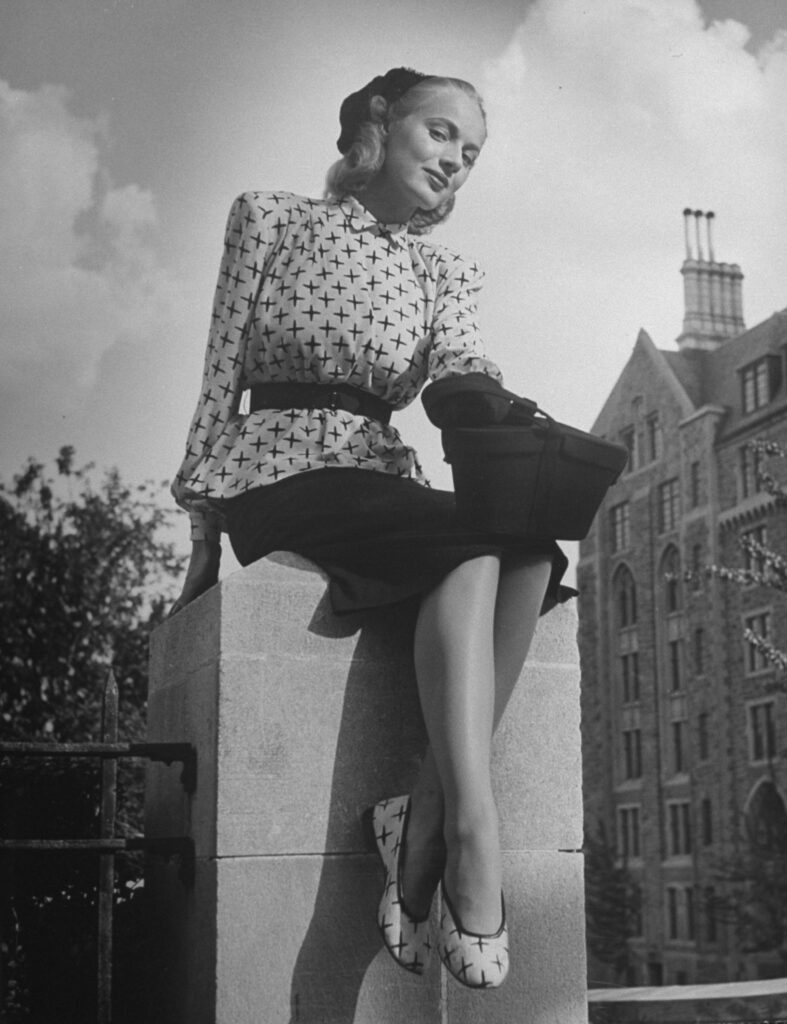
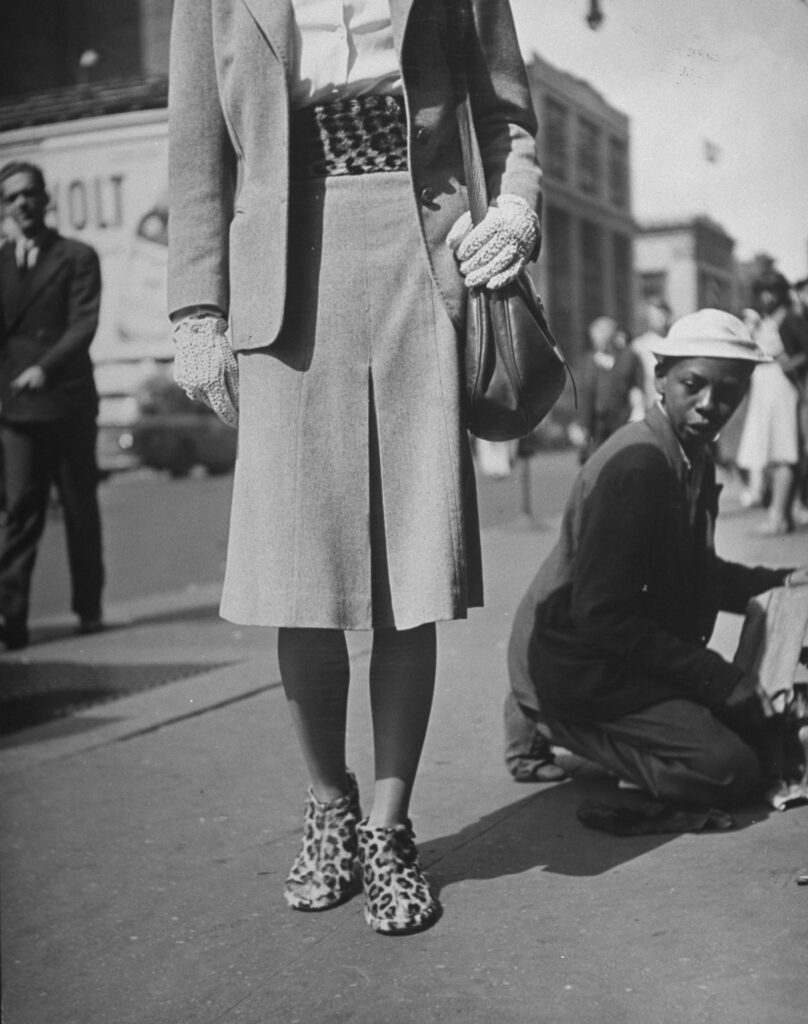
Choosing shoes that go with your outfit is the subject of many online tutorials. In 1946, some clothes makers experimented with a novel approach to simplify the challenge. They sold shoes and dresses that were literally cut from the same cloth.
Here’s how LIFE explained it in an Oct. 1946 issue:
The newest looking shoes this year are made of bright fabrics. For shoemakers this is a risky innovation because gay shoes make a girl’s feet look bigger than they are, and the American girls’ feet are big enough already (most sold size, 7 1/2). But using fabrics makes it possible to turn out novel shoes which match other parts of an outfit. Besides, as shoemakers realize, bold shoes are a fine device for attracting attention to pretty legs.
The trend didn’t last, but it did serve as the inspiration for some eye-catching photos from LIFE staff photographer Nina Leen, an expert on making fashions jump off the page.
LIFE noted that manufacturers had been forced to make fabric shoes during World War II because of rationing that limited the supplies of leather (and also rubber). But during those war years manufacturers used dark-colored cloth so as not to draw attention to it. In 1946 some manufacturers switched gears and decided to the highlight the presence of cloth by using bright patterned fabric. LIFE said that this approach gave outfits a “startling footnote.”
P.S Speaking of footnotes, the 1946 story’s comment about the size of women’s feet is not only odd but also outdated. These days women’s feet are actually much bigger, with the average size now up to 8 1/2. The most likely explanation: changes in the American diet.
From a 1946 story on shoes and outfits made from the same fabric.
Nina Leen/Life Picture Collection/Shutterstock
From a 1946 story on shoes and outfits made from the same fabric.
Nina Leen/Life Picture Collection/Shutterstock
From a 1946 story on shoes and outfits made from the same fabric.
Nina Leen/Life Picture Collection/Shutterstock
From a 1946 story on shoes and outfits made from the same fabric.
Nina Leen/Life Picture Collection/Shutterstock
From a 1946 story on shoes and outfits made from the same fabric.
Nina Leen/Life Picture Collection/Shutterstock
From a 1946 story on shoes and outfits made from the same fabric.
Nina Leen/Life Picture Collection/Shutterstock
From a 1946 story on shoes and outfits made from the same fabric.
Nina Leen/Life Picture Collection/Shutterstock
From a 1946 story on shoes and outfits made from the same fabric.
Nina Leen/Life Picture Collection/Shutterstock
From a 1946 story on shoes and outfits made from the same fabric.
Nina Leen/Life Picture Collection/Shutterstock
From a 1946 story on shoes and outfits made from the same fabric.
Nina Leen/Life Picture Collection/Shutterstock
From a 1946 story on shoes and outfits made from the same fabric.
Nina Leen/Life Picture Collection/Shutterstock
From a 1946 story on shoes and outfits made from the same fabric.
Nina Leen/Life Picture Collection/Shutterstock
The post Shoes That Really Match the Outfit appeared first on LIFE.

Michael Padraig-Acton, author of Learning How to Leave and well renouned psychological therapist and counsellor, share’s his advice on gaslighting in relationships, how to spot…
The post Gaslighting in Relationships: How to Spot it and Shut it Down appeared first on The Daily Struggle.